How Long To Cook Dough In Oven For Perfectly Baked Goods
Learning how long to cook dough in oven is the key to baked goods that come out perfect every time. Different dough types need different times and temperatures, from soft bread to crispy pizza. This guide covers everything you need to know about baking dough like a pro. You will find clear times, helpful tips, and easy mistakes to avoid.
There is something truly magical about how long to cook dough in oven. Whether you are making a warm loaf of homemade bread or a crispy pizza, the oven is where the real transformation happens. But timing is everything. Too little time and your dough stays raw inside. Too much time and you end up with a hard, burnt mess. This guide will walk you through everything you need to know about baking dough the right way. You will learn the exact times, the best temperatures, and the simple tricks that make a huge difference. Let us get started.
When you first start baking, the process can feel confusing. There are so many variables at play. Your oven temperature matters. The dough thickness matters. Even the type of baking sheet you use can change things. But once you understand the basics, it all becomes much easier. The goal of this article is to give you clear, practical answers. You will not need to guess anymore. You will know exactly what to do every time you put dough in the oven.
We will cover many types of dough in this guide. From soft yeast dough for bread to thin pizza dough and sweet cookie dough, we have you covered. Each type has its own ideal bread baking time and cookie dough bake time. We will also look at how dough proofing affects the final result. And we will share common mistakes that even experienced bakers make. By the end, you will feel confident and ready to bake like a pro. Let us dive into the details.
Key Takeaways
- Know your dough type: Bread, pizza, and cookie dough all need different baking times and temperatures.
- Preheat your oven: Always preheat the oven before placing dough inside for even baking.
- Watch for visual cues: Golden brown color and firm texture are reliable signs your dough is done.
- Adjust for oven type: Convection ovens bake faster than standard ovens, so reduce time and temperature.
- Avoid common mistakes: Overbaking, skipping proofing, and wrong oven rack position are the top errors.
- Use an internal thermometer: A quick-read thermometer takes the guesswork out of checking doneness.
📑 Table of Contents
How Long To Cook Dough In Oven: The Basics You Need To Know
The most important thing to understand is that there is no single answer to how long to cook dough in oven. The time depends on several factors. The type of dough is the biggest one. A thick bread dough needs more time than a thin pizza crust. The oven temperature also plays a huge role. Higher temperatures cook faster but can burn the outside if you are not careful.
Here are the basic principles that apply to all baking dough:
- Always preheat your oven. Putting dough in a cold oven leads to uneven baking. The dough rise process needs consistent heat from the start.
- Know your dough type. Different doughs have different needs. Bread dough bakes longer than cookie dough. Pizza dough is somewhere in between.
- Check for visual cues. A golden brown color on top is one of the best signs your oven-baked goods are done.
- Use the toothpick test. For softer doughs like bread, insert a toothpick in the center. If it comes out clean, the dough is done.
- Consider dough hydration. Wetter doughs may need slightly longer baking times because they contain more moisture.
Why Preheat Matters So Much
Many people skip the preheating step. They put dough in a cold oven and turn it on. This seems like a time-saver, but it actually hurts your results. When the oven is not hot enough at the start, the yeast dough does not rise properly. The crust formation happens too slowly. This can lead to a dense, heavy texture instead of a light, airy one.
Preheating takes about 10 to 15 minutes for most ovens. That is a small investment for a much better outcome. Your oven needs to reach the target oven temperature before the dough goes in. This ensures even heat distribution from the very first minute. The result is a better rise and a more consistent golden brown finish.
Understanding Dough Thickness And Its Impact
The dough thickness is another critical factor. Thin dough cooks faster because heat penetrates through it quickly. A thin pizza crust might only need 8 to 12 minutes at bake at 400 degrees. A thick bread loaf needs more time, often 30 to 45 minutes at bake at 350 degrees. The thicker the dough, the longer the bread baking time.
Think of it this way. If you are toasting a thin slice of bread, it takes seconds. A thick slice takes longer. The same idea applies to baking dough. If you roll your dough thin, reduce the baking time. If you keep it thick, add a few extra minutes. Always check for doneness by looking at the color and feeling the texture.
Different Types Of Dough And Their Baking Times
Not all dough is created equal. Each type has its own ideal baking time chart and temperature range. Understanding these differences is the key to perfectly baked goods. Let us break down the most common dough types and their specific needs.
Bread Dough
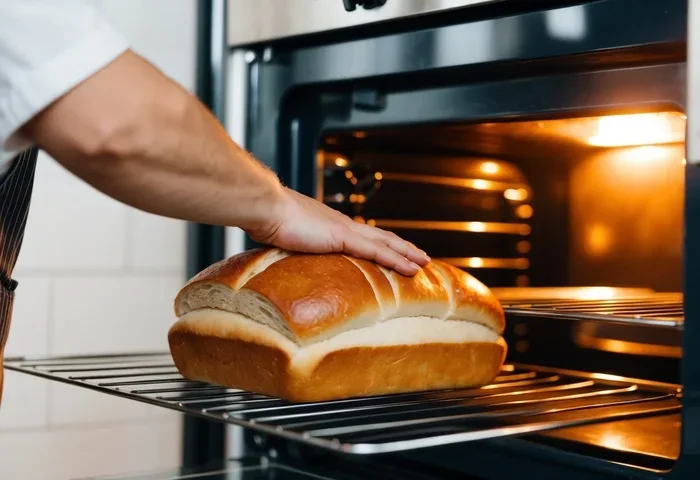
Homemade bread is one of the most rewarding things to bake. But getting the bread baking time right takes a little practice. Most standard yeast bread loaves bake at bake at 350 degrees Fahrenheit. The typical bread baking time is between 30 and 45 minutes.
Here is what to look for with bread dough:
- The top should be a deep golden brown color.
- The loaf should sound hollow when you tap the bottom.
- The internal temperature should reach about 190 to 210 degrees Fahrenheit.
- The dough should feel firm but still slightly soft on the inside.
If you are using a convection oven baking setting, reduce the temperature by about 25 degrees. Convection fans circulate hot air, which speeds up cooking. This means your homemade bread may be done in 25 to 40 minutes instead of 30 to 45.
Pizza Dough
Pizza dough cooking time is much shorter than bread dough. A thin pizza crust at bake at 400 degrees typically needs only 8 to 12 minutes. If you like a thicker, more doughy crust, it may need 12 to 15 minutes.
The pizza dough cooking time depends on several factors:
- How thin or thick you rolled the dough.
- How much topping you added. Heavy toppings add moisture and extend baking time.
- Your oven type. A pizza stone or steel can reduce cooking time.
- Whether you want a crispy or soft crust.
For the best crust formation, preheat your oven as hot as it goes. Many home ovens can reach 450 to 500 degrees. If you can go that high, your pizza will bake in just 6 to 10 minutes with a beautifully crisp bottom.
Cookie Dough
Cookie dough bake time is one of the shortest of all dough types. Most cookies bake at bake at 350 degrees for 8 to 12 minutes. The cookie dough bake time varies depending on the size and type of cookie.
Here are some quick guidelines:
- Small drop cookies: 8 to 10 minutes at bake at 350.
- Large rolled cookies: 10 to 12 minutes at bake at 350.
- Thin, crispy cookies: 8 to 9 minutes at bake at 375.
- Thick, chewy cookies: 10 to 12 minutes at bake at 350.
Remember that cookies continue to cook on the hot baking sheet after you take them out. This is called carryover baking. Pulling them out when they look slightly underdone in the center gives you the perfect chewy texture.
Quick Comparison Table: Dough Types, Temperatures, And Times
| Dough Type | Oven Temperature | Baking Time |
|---|---|---|
| Bread Dough | Bake at 350 | 30 to 45 minutes |
| Pizza Dough (thin) | Bake at 400 to 450 | 6 to 12 minutes |
| Pizza Dough (thick) | Bake at 400 | 12 to 15 minutes |
| Cookie Dough | Bake at 350 | 8 to 12 minutes |
| Roll-Out Dough (cookies) | Bake at 350 to 375 | 8 to 10 minutes |
| Cinnamon Roll Dough | Bake at 350 | 20 to 25 minutes |
| Focaccia Dough | Bake at 400 | 15 to 20 minutes |
How Temperature Affects Your Dough
The oven temperature you choose has a dramatic effect on the final product. Lower temperatures cook the dough more slowly and evenly. Higher temperatures create a faster crust formation but can leave the inside undercooked if you are not careful.
Baking At 350 Degrees
Bake at 350 is the most common temperature for baking dough. It works well for bread, cookies, and most sweet doughs. At this temperature, the dough bakes evenly from edge to center. The crust formation develops gradually, giving you a soft exterior with a fully cooked interior.
This temperature is forgiving. If you forget to set a timer, you have a few extra minutes before things go wrong. That makes bake at 350 a great choice for beginners who are still learning how long to cook dough in oven.
Baking At 400 Degrees And Above
Higher temperatures like bake at 400 are ideal for pizza, flatbreads, and some artisan breads. The intense heat creates a rapid crust formation that gives you a crispy exterior. The inside stays moist because the short baking time locks in moisture.
However, higher temperatures require more attention. You cannot walk away from the oven when baking at bake at 400. The difference between perfectly golden and burnt can be just a minute or two. Set a timer and stay nearby.
The Role Of Convection Ovens
If you have a convection oven baking feature, you can reduce both time and temperature. Convection ovens use a fan to circulate hot air around the food. This means the dough bakes more evenly and often faster.
As a general rule, reduce the oven temperature by 25 degrees when using convection. And reduce the baking time by about 25 percent as well. For example, if a recipe says bake at 350 for 30 minutes, try bake at 325 for 22 to 25 minutes in a convection oven. Always check for doneness early.
The Importance Of Dough Consistency
Your dough consistency affects how it bakes. Dough that is too dry will bake faster but may come out tough. Dough that is too wet may need extra time to cook through. The ideal dough consistency is smooth, slightly sticky, and elastic.
When you knead your dough properly, the dough consistency becomes uniform. This means it bakes evenly throughout. Uneven dough leads to some parts being overcooked and others undercooked. Take the time to knead well and let the dough rest properly before baking.
Tips For Perfectly Baked Dough Every Time
Getting great results every time is easier than you think. A few simple habits can make a huge difference. Here are the tips that experienced bakers swear by.
Use The Right Oven Rack Position
Where you place the baking sheet in the oven matters more than most people realize. The middle oven rack position is best for most baking dough. It allows heat to circulate evenly around the dough. This prevents the top from burning while the bottom stays raw.
For pizza and flatbreads, place the rack in the lower third of the oven. This puts the dough closer to the bottom heat source, which creates a crispier crust. For cookies, the middle rack works perfectly.
Let The Dough Rise Properly
Dough proofing is the step that many people rush through. But proper dough proofing is essential for great results. When yeast dough rises, it develops flavor and texture. Skipping this step leads to dense, flat baked goods.
Let your yeast dough rise until it has doubled in size. This usually takes 1 to 2 hours at room temperature. The dough consistency should be light and airy. When you poke it with a finger, the indentation should slowly spring back.
Line Your Baking Sheet Properly
Using parchment paper or a silicone baking mat prevents sticking and promotes even browning. A bare baking sheet can cause the bottom of your dough to overcook before the top is done. Parchment paper creates a gentle barrier that allows heat to distribute more evenly.
Quick Tip: If you want extra crispy bottoms on your bread or pizza, skip the parchment paper and place the dough directly on a preheated pizza stone or baking steel. The direct heat creates incredible crust formation.
Rotate Your Dough Halfway Through
Most home ovens have hot spots. The back of the oven is often hotter than the front. To ensure even golden brown coloring, rotate your baking sheet halfway through the baking time. This simple step takes just five seconds but makes a big difference.
Use A Thermometer For Bread
The most accurate way to check if bread is done is to use a quick-read internal temperature thermometer. Insert it into the center of the loaf. When the internal temperature reaches 190 to 210 degrees Fahrenheit, your bread is done. This removes all guesswork and takes the anxiety out of how long to cook dough in oven.
Common Mistakes To Avoid When Baking Dough
Even experienced bakers make mistakes. Knowing what to avoid saves time, ingredients, and frustration. Here are the most common errors people make when baking dough.
Overbaking The Dough
Overbaking is the number one mistake. It happens when you leave the dough in the oven too long. The outside becomes hard and dark while the inside dries out. To avoid this, set a timer and check the dough a few minutes before the minimum recommended time.
Remember that oven-baked goods continue to cook after you take them out. The residual heat keeps the cooking process going. Pull the dough out when it looks slightly underdone in the center. It will finish cooking on the counter.
Skipping The Preheat Step
We mentioned this earlier, but it is worth repeating. Putting dough in a cold oven is one of the fastest ways to get poor results. The yeast dough does not rise properly. The crust formation is weak and uneven. Always preheat your oven for at least 10 to 15 minutes before baking.
Using The Wrong Dough Thickness
If your dough is rolled unevenly, it will bake unevenly. Thin spots burn while thick spots stay raw. Take the time to roll your dough to a consistent thickness. Use rolling pin guides or spacers if you need help keeping it even.
Opening The Oven Door Too Often
Every time you open the oven door, heat escapes. This can cause the dough to collapse or bake unevenly. Resist the urge to peek. Use the oven light to check on your baking dough instead. Only open the door when you need to rotate the baking sheet or check for doneness.
Ignoring Your Oven’s Actual Temperature
Many home ovens run hotter or cooler than the dial says. An inexpensive oven thermometer can tell you the real temperature inside. If your oven runs 25 degrees hot, you may be overbaking your dough without even realizing it. This is an easy fix that makes a big difference.
Quick Reference: Baking Times By Dough Type
Here is a quick summary of how long to cook dough in oven for the most popular types. Use this as a starting point and adjust based on your specific recipe and oven.
- Basic Bread Dough: Bake at 350 for 30 to 45 minutes until golden brown and hollow-sounding.
- Thin Pizza Dough: Bake at 400 to 450 for 6 to 12 minutes until the crust is crisp and the cheese is bubbly.
- Thick Pizza Dough: Bake at 400 for 12 to 15 minutes until the center is cooked through.
- Cookie Dough: Bake at 350 for 8 to 12 minutes depending on size and thickness.
- Cinnamon Roll Dough: Bake at 350 for 20 to 25 minutes until golden brown on top.
- Focaccia Dough: Bake at 400 for 15 to 20 minutes until the top is crisp and golden.
- Roll-Out Sugar Cookie Dough: Bake at 350 to 375 for 8 to 10 minutes until edges are lightly browned.
These times are guidelines, not rigid rules. Every oven is different. Your dough consistency, the dough hydration level, and even the humidity in your kitchen can affect the final result. Use these times as a starting point and learn to trust your eyes and ears. The color, smell, and sound of your dough will tell you when it is ready.
Conclusion
How long to cook dough in oven depends on the type of dough, the temperature you use, and the thickness of your bake. Bread dough needs 30 to 45 minutes at 350 degrees. Pizza dough bakes in 6 to 15 minutes at 400 to 450 degrees. Cookie dough takes just 8 to 12 minutes at 350 degrees. Once you understand these basics, you can adapt to any recipe with confidence.
The most important takeaways are simple. Always preheat your oven. Use the right temperature for your dough type. Watch for visual cues like golden brown color. Check the internal temperature for bread. And never be afraid to pull things out a little early. Carryover baking will finish the job for you.
Now that you have all the knowledge you need, it is time to put it into practice. Preheat your oven, prepare your favorite baking dough, and trust the process. With a little experience, you will know exactly when your oven-baked goods are perfect. Happy baking!
Frequently Asked Questions
Can I bake dough at 300 degrees instead of 350?
Yes, you can, but the baking time will be longer. Lower temperatures cook dough more slowly and evenly. If you drop to 300 degrees, add about 5 to 10 extra minutes to the recommended time. Keep an eye on the color and texture to know when it is done.
How do I know if my dough is fully baked inside?
The best way is to use a quick-read thermometer. For bread, the internal temperature should be between 190 and 210 degrees Fahrenheit. You can also tap the bottom of the loaf. If it sounds hollow, the dough is fully baked. Another sign is that the top feels firm and springs back when you press it lightly.
Does convection oven baking change the dough cooking time?
Yes, it does. Convection ovens circulate hot air, which cooks food faster and more evenly. Reduce the temperature by 25 degrees and the baking time by about 25 percent. Always check for doneness a few minutes early when using the convection setting for the first time.
Why is my dough brown on the outside but raw inside?
This usually happens when the oven temperature is too high. The outside cooks and browns too fast before the inside has time to bake through. Try lowering the temperature by 25 degrees and extending the baking time. Also make sure your dough is not too thick, as that can trap moisture in the center.
How long should I let my dough rise before baking?
Most yeast doughs need to rise until they have doubled in size. This typically takes 1 to 2 hours at room temperature. The dough proofing time can vary based on the room temperature and the type of yeast you use. Warm environments speed up the process, while cooler environments slow it down.
Can I bake frozen dough directly in the oven?
Yes, you can, but you need to adjust the time. Frozen dough takes longer to bake because it starts cold. Add about 10 to 15 extra minutes to the normal baking time. Let the dough thaw slightly at room temperature for 15 minutes first if possible. This helps it bake more evenly and reduces the risk of a raw center.