Perfect Salmon Oven Cook Time for Flavorful Results
Salmon oven cook time depends on thickness, temperature, and whether you want crispy skin or a tender fillet. Baking salmon at 400°F typically takes 12 to 15 minutes for a standard fillet. This guide covers everything from prep to plating so you can bake salmon like a pro. You will learn exact timings, common mistakes, and simple recipes that make oven-baked salmon a weeknight favorite.
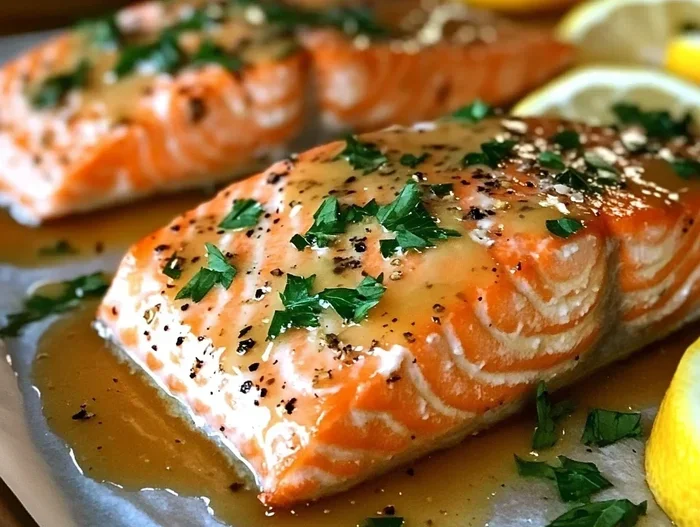
There is something magical about salmon oven cook time done right. A perfectly baked salmon fillet comes out with a golden, slightly crispy skin on the outside and a buttery, tender center on the inside. Whether you are a beginner in the kitchen or a seasoned home cook, mastering the oven-baked salmon process will change your weeknight dinners forever.
Salmon is one of the healthiest and most delicious proteins you can eat. It is packed with omega-3 fatty acids, high-quality protein, and essential vitamins. Best of all, it cooks fast. In most cases, a salmon fillet is done in under 20 minutes. That makes it perfect for busy evenings when you want something wholesome and satisfying without spending hours at the stove.
But here is the thing. Salmon can go from perfect to dry in a matter of minutes. The difference between a great piece of fish and a disappointing one often comes down to timing and temperature. That is exactly why we created this guide. We will walk you through everything you need to know about salmon oven cook time, from choosing the right fillet to pulling it out of the oven at the exact right moment.
By the end of this article, you will feel confident enough to bake salmon any night of the week. You will know the ideal temperatures, the best seasonings, and the simple tricks that restaurant chefs use. Let us get started.
Key Takeaways
- 400°F is the sweet spot: Most salmon oven cook time recipes work best at 400 degrees Fahrenheit for even cooking.
- Thickness matters most: A 1-inch fillet needs about 12 minutes, while thicker cuts may need up to 20 minutes.
- Use a meat thermometer: The internal temperature salmon should reach 145°F for safe, perfectly cooked fish.
- Start with skin side down: This method gives you crispy salmon skin and protects the delicate flesh.
- Rest your salmon: Letting it rest for 3 to 5 minutes keeps the fillet moist and juicy.
- Avoid overcooking: Pulling salmon off heat early prevents dry, chalky fish every single time.
- Season simply: Olive oil, salt, pepper, and lemon go a long way for a delicious baked salmon recipe.
📑 Table of Contents
- The Ideal Salmon Oven Cook Time and Temperature
- Step-by-Step Guide to Baking Salmon in the Oven
- How to Tell When Salmon Is Done
- Common Mistakes That Ruin Your Baked Salmon
- Delicious Baked Salmon Recipes to Try Tonight
- Expert Tips for Perfect Salmon Every Single Time
- Frequently Asked Questions About Salmon Oven Cook Time
- Conclusion
The Ideal Salmon Oven Cook Time and Temperature
Getting the right salmon oven cook time starts with understanding how heat affects the fish. Salmon is a delicate protein that cooks quickly. Too much heat or too much time, and it turns dry and flaky. Too little, and it stays raw in the center.
The general rule for baking salmon is simple. Set your oven to 400°F and cook a standard fillet for 12 to 15 minutes. This temperature works beautifully because it heats the fish evenly without burning the outside before the inside is done.
Why 400°F Is the Best Temperature for Salmon
Most experts agree that 400°F is the gold standard for oven-baked salmon. At this temperature, the outside gets lightly caramelized while the inside stays moist and tender. If you go higher, like 425°F or 450°F, the salmon can dry out quickly, especially if the fillet is thin.
On the other hand, lower temperatures like 350°F take longer and can make the fish steam instead of roast. That might sound fine, but it does not give you that beautiful crispy salmon skin or the slightly caramelized edges that make baked salmon so delicious.
Here is a quick reference for different oven temperatures and how they affect salmon oven cook time:
- 375°F: Slower cooking, about 15 to 20 minutes. Great for thicker fillets.
- 400°F: The sweet spot. 12 to 15 minutes for most standard fillets.
- 425°F: Faster cooking, 10 to 13 minutes. Best for thin fillets under 1 inch.
- 450°F: Quick roast, 8 to 12 minutes. Risk of drying out if you are not careful.
How Fillet Thickness Changes the Salmon Oven Cook Time
Not all salmon fillets are the same. The salmon oven cook time changes quite a bit depending on how thick your piece of fish is. A thin salmon filet that is half an inch thick will cook much faster than a thick 2-inch cut.
Here is a helpful way to think about it. For every half inch of thickness, you add about 2 to 3 minutes of cooking time at 400°F. So a 1-inch fillet needs roughly 12 to 15 minutes. A 1.5-inch fillet might need 16 to 20 minutes. And a 2-inch thick steak could take 20 to 25 minutes.
This is why many people use a meat thermometer. It takes the guesswork out completely. You will learn more about that in the next section.
Step-by-Step Guide to Baking Salmon in the Oven
Now that you know the basics of salmon oven cook time and temperature, let us walk through the actual process. Follow these steps and you will have restaurant-quality baked salmon at home.
Step 1: Prep Your Salmon Fillet
Start by taking your salmon out of the fridge about 10 to 15 minutes before cooking. Letting it come closer to room temperature helps it cook more evenly. Cold salmon going straight into a hot oven can cook unevenly, with the outside overdone and the center still cold.
Next, pat the fillet dry with paper towels. This is a step many people skip, but it matters a lot. Dry skin crisps up beautifully in the oven. Wet skin, on the other hand, steams and turns flabby. If you want crispy salmon skin, this step is non-negotiable.
Step 2: Season Your Salmon Simply
Salmon has a rich, natural flavor that does not need much help. A simple seasoning of olive oil, salt, black pepper, and a squeeze of lemon juice works wonders. Drizzle a little olive oil over the fillet, sprinkle with salt and pepper, and place it skin-side down on a lined baking sheet.
If you want to get fancier, try adding minced garlic, fresh dill, or a drizzle of honey. These baked salmon recipe variations take about five extra minutes of prep but add a ton of flavor. Just remember not to overload the seasoning. Let the salmon shine.
Step 3: Place in the Oven and Set the Timer
Put your seasoned salmon fillet on the middle rack of the preheated oven. Set your timer based on the thickness guidelines we covered earlier. For a standard 1-inch fillet at 400°F, aim for about 12 minutes.
Resist the urge to open the oven door too often. Every time you open it, the temperature drops, and that can throw off your salmon oven cook time. Trust the timer and let the oven do its job.
How to Tell When Salmon Is Done
This is the most important part of the entire process. Knowing when your salmon oven cook time is complete makes the difference between perfectly cooked fish and a dry, overcooked disappointment.
Use a Meat Thermometer for Perfect Results
The most reliable way to check if your salmon is done is with an instant-read meat thermometer. Insert it into the thickest part of the fillet, going horizontally into the center. The internal temperature salmon should read 145°F. At this point, the fish is fully cooked, safe to eat, and still moist.
Some chefs prefer to pull salmon at 135°F to 140°F for a slightly more medium-rare center. This gives you a silky, translucent look in the middle that many people love. It is a matter of personal preference, but either way, a thermometer takes the guesswork out completely.
Visual and Touch Tests for Your Salmon
If you do not have a meat thermometer handy, there are other ways to check. Gently press the top of the salmon with your finger. It should feel firm but still give slightly. If it feels mushy, it needs more time. If it feels very hard and resists pressure, it is probably overcooked.
You can also look at the color. Properly cooked salmon fillet oven results should show a light pink center that flakes easily with a fork. The outside should have a slightly golden, caramelized color. If the fish looks chalky white all the way through, it has been in the oven too long.
The Resting Period Matters
Once your salmon is out of the oven, let it rest for 3 to 5 minutes before serving. This resting period allows the juices to redistribute throughout the fillet. Cutting into it right away can cause the moisture to escape, leaving you with a drier piece of fish.
Think of it like a steak. You would never skip resting a steak, and the same logic applies to your salmon dinner. A few extra minutes on the plate makes a real difference in texture and flavor.
Common Mistakes That Ruin Your Baked Salmon
Even experienced cooks make mistakes when it comes to salmon oven cook time. Here are the most common errors and how to avoid them.
Overcooking the Salmon
Overcooking is the number one enemy of great salmon. Salmon continues to cook slightly after you take it out of the oven, a process called carryover cooking. If you wait until the thermometer reads 145°F inside the oven, the temperature will rise another 3 to 5 degrees during resting.
The fix is simple. Pull your salmon out when the internal temperature is 3 to 5 degrees below your target. Let it rest, and it will reach the perfect 145°F on its own. This one trick alone will transform your oven-baked salmon from good to outstanding.
Skipping the Preheat
Some people throw salmon into a cold oven and hope for the best. This is a mistake. A preheated oven ensures that the salmon starts cooking immediately at the right temperature. Without preheating, your salmon oven cook time becomes unpredictable, and the fish may cook unevenly.
Always preheat your oven for at least 10 to 15 minutes before putting the salmon in. Use an oven thermometer if you are unsure whether your oven runs hot or cold. Many ovens are off by 10 to 25 degrees, and that can throw off your results.
Using the Wrong Baking Dish
The pan you use matters more than you might think. A thin, dark baking sheet can cause the bottom of the salmon to overcook or burn. A heavy-duty sheet pan or a glass baking dish distributes heat more evenly and gives you better results.
Line your pan with parchment paper or aluminum foil for easy cleanup. Just make sure the salmon is not touching the sides of the pan, as that can cause uneven cooking and steam buildup.
Delicious Baked Salmon Recipes to Try Tonight
Now that you have mastered the basics of salmon oven cook time, it is time to try some recipes. These simple salmon recipes use the techniques we have covered and deliver amazing flavor every time.
Simple Herb-Crusted Salmon
This recipe takes about 5 minutes of prep and 15 minutes of baking. Mix chopped fresh parsley, dill, garlic, and breadcrumbs with a little olive oil. Spread the mixture over the top of your seasoned salmon fillet and bake at 400°F for 12 to 15 minutes. The herb crust adds a wonderful crunch that pairs perfectly with the tender fish inside.
Honey Garlic Glazed Salmon
For something a little sweeter, try a honey garlic glaze. Mix two tablespoons of honey, one tablespoon of soy sauce, two minced garlic cloves, and a squeeze of lemon. Brush it over the salmon during the last 5 minutes of cooking. This gives you a beautiful caramelized glaze that is absolutely delicious.
Lemon Butter Baked Salmon
One of the easiest baked salmon recipes out there. Place your salmon on a baking sheet, top with a pat of butter and sliced lemons, and bake at 400°F for 12 to 15 minutes. The butter melts into the fish, and the lemon adds a bright, fresh flavor. This is a weeknight favorite in many households for good reason.
Expert Tips for Perfect Salmon Every Single Time
Here are some pro tips that separate a good piece of baked salmon from a great one. These small details can make a huge difference in your final result.
Always Cook Skin-Side Down First
When baking salmon fillet oven style, always place the fillet skin-side down on the pan. The skin acts as a protective layer, keeping the delicate flesh from drying out. It also renders and crisps up beautifully in the oven, giving you that satisfying crunch with every bite.
Buy Quality Salmon
Not all salmon is created equal. Wild-caught salmon tends to have a richer flavor and better texture than farmed varieties. It also has a healthier fat profile. When shopping, look for bright-colored fillets with a fresh ocean smell. Avoid any salmon that looks dull, dry, or has a strong fishy odor.
Experiment with Different Seasonings
Once you have the salmon oven cook time down, the real fun begins: experimenting with flavors. Try a Cajun spice rub, a maple mustard glaze, or a simple miso paste coating. Each one brings a unique twist to the same basic salmon oven cook time method. Keep a notebook of what works and what does not. Over time, you will build a collection of go-to recipes.
Pairs Well with These Sides
A great salmon dinner deserves great sides. Roasted asparagus, garlic mashed potatoes, quinoa pilaf, or a simple mixed green salad all complement baked salmon beautifully. The bright, fresh flavor of salmon pairs especially well with vegetables that have been roasted in the same oven, saving you time and cleanup.
Frequently Asked Questions About Salmon Oven Cook Time
How long does it take to bake salmon at 400°F?
A standard 1-inch thick salmon fillet takes about 12 to 15 minutes at 400°F. Thicker fillets may need up to 20 minutes. Always use a meat thermometer to check that the internal temperature salmon reaches 145°F in the thickest part for the best results.
Should I bake salmon covered or uncovered?
Bake salmon uncovered for the best results. Leaving it uncovered allows the skin to crisp up and the edges to caramelize. Covering it traps steam, which can make the skin soggy and prevent that beautiful golden finish on your oven-baked salmon.
Can you overcook salmon in the oven?
Yes, absolutely. Overcooking is the most common mistake people make with salmon oven cook time. Salmon dries out quickly once it passes the ideal temperature. To avoid this, pull it out a few degrees early and let carryover cooking finish the job during the resting period.
What is the best way to store leftover baked salmon?
Let the salmon cool completely, then store it in an airtight container in the refrigerator. It stays fresh for up to 3 days. Reheat gently in the oven at 300°F for about 5 to 8 minutes to keep the fish from drying out. Microwaving leftover baked salmon recipe portions often makes them rubbery, so the oven is always better.
How do I get crispy salmon skin in the oven?
Pat the skin completely dry before seasoning. Place the fillet skin-side down on a preheated baking sheet. Cook at 400°F and resist the urge to flip it. The dry skin renders and crisps up on its own. A light brush of oil on the skin before baking also helps achieve that perfect crunch.
Is it safe to eat salmon that is slightly pink in the middle?
Yes, many people prefer their salmon with a slightly pink center, which is similar to a medium-rare doneness. As long as the internal temperature salmon reaches at least 125°F to 130°F for a medium-rare finish, it is safe to eat. The USDA recommends 145°F for fully cooked fish, but personal preference plays a big role in how you like your salmon oven cook time results.
Conclusion
Mastering salmon oven cook time is one of the simplest and most rewarding skills you can add to your cooking repertoire. With the right temperature, a little patience, and a meat thermometer, you can bake salmon that is juicy, flavorful, and beautifully cooked every single time.
Remember the basics. Preheat your oven to 400°F, use a standard 12 to 15 minute salmon oven cook time for a 1-inch fillet, and always check the internal temperature before serving. Avoid the common mistakes like overcooking and skipping the preheat. And most importantly, have fun experimenting with different seasonings and baked salmon recipes until you find your personal favorite.
Salmon is one of the most versatile and nutritious proteins you can cook. It is fast, it is healthy, and it tastes incredible. Once you nail the salmon oven cook time, you will wonder why you ever ordered takeout on busy weeknights. So preheat that oven, grab a fresh fillet, and get cooking. Your perfect salmon dinner is just minutes away.