How To Fix Hamburgers In The Oven With These Simple Tips
Learning how to fix hamburgers in the oven is easier than you think. Whether your patties turned out dry, tough, or undercooked, a few simple adjustments can transform your oven-baked burgers into juicy, flavorful meals. This guide covers temperature fixes, seasoning tricks, and proven techniques that work every time.
There is nothing more disappointing than pulling a tray of oven-baked burgers out of the oven only to find them dry, tough, or bland. You followed the recipe. You set the timer. But somehow, your hamburger patties still did not turn out the way you hoped.
If you have ever wondered how to fix hamburgers in the oven, you are not alone. Thousands of home cooks face this problem every week. The good news is that most oven burger mistakes are easy to correct. A few simple changes in technique, temperature, or timing can make a huge difference. This guide will walk you through every fix you need.
Whether you are dealing with dry patties, frozen burgers that cooked unevenly, or meat that fell apart on the grill pan, we have you covered. Let us dive into the practical tips that will level up your oven hamburger game for good.
Key Takeaways
- Oven temperature matters: Baking at 375°F to 400°F gives the best results for juicy hamburger patties.
- Moisture is your best friend: Adding a splash of beef broth or using the right meat blend prevents dry burgers.
- Resting time is non-negotiable: Letting burgers rest for 5 minutes locks in juices and improves texture.
- Season at the right time: Salt just before baking to avoid drawing out moisture from the meat.
- Use a meat thermometer: Internal temperature of 160°F ensures safe, perfectly cooked oven hamburgers.
- Avoid common pitfalls: Overworking the meat, pressing patties flat, and skipping the resting period are top mistakes.
📑 Table of Contents
- Why Oven-Baked Burgers Can Go Wrong
- The Right Oven Temperature for Hamburgers
- How To Fix Hamburgers In The Oven When They Are Dry
- Fixing Hamburgers That Are Undercooked or Overcooked
- Quick Tips to Keep Burgers Juicy in the Oven
- Common Mistakes That Ruin Oven Burgers
- Expert Insights for Perfect Oven Hamburgers Every Time
- Conclusion
Why Oven-Baked Burgers Can Go Wrong
Cooking burgers in the oven seems straightforward. You put the patties on a tray and wait. But several hidden factors can sabotage your results. Understanding why things go wrong is the first step toward fixing them.
Common Problems with Oven Burgers
Before we get into solutions, let us identify the most common issues people face when baking hamburger patties in the oven:
- Dry and crumbly meat: The patty loses too much moisture during cooking, leaving it tough and unappetizing.
- Uneven cooking: The outside is burnt while the inside is still raw or cold in the center.
- Shrinkage: The patty shrinks significantly, making it smaller than expected and sometimes tough in texture.
- Bland flavor: The burger tastes flat because seasoning was added too early or too late.
- Sticking to the pan: The patty tears apart when you try to flip or remove it from the baking sheet.
- No sear or crust: The burger looks pale and lacks the appealing browned exterior you get from a skillet.
What Causes Dry or Tough Burgers
Several factors contribute to dry oven-baked burgers. Overcooking is the number one culprit. When burgers stay in the oven too long, the juices evaporate, and the meat becomes dry. Using lean ground beef with too little fat also leads to moisture loss. Fat keeps burgers juicy, so choosing a blend with at least 15 to 20 percent fat content makes a big difference.
Another cause is pressing down on the patties with a spatula while they cook. This squeezes out the natural juices and creates a dense, tough texture. Overworking the meat when forming patties also develops excess gluten, which makes the burger chewier than it should be.
The Right Oven Temperature for Hamburgers
Temperature control is the backbone of how to fix hamburgers in the oven. Getting the heat right can rescue a mediocre batch of patties and prevent future problems. Let us look at the ideal settings and why they matter.
Optimal Heat Settings for Juicy Burgers
Most oven-baked hamburger patties cook best between 375°F and 400°F. At this temperature range, the outside develops a light crust while the inside stays juicy and pink (or brown, depending on your preference). Baking at too high a temperature, like 450°F or above, causes the edges to dry out before the center cooks through.
Baking at too low a temperature, below 350°F, extends cooking time and increases the risk of dry meat. The longer the burger stays in the oven, the more moisture escapes. Finding the sweet spot at around 375°F gives you the best balance of speed and juiciness.
How Temperature Affects Burger Texture
Here is a simple breakdown of what happens at different oven temperatures when you are baking hamburgers in oven:
- 325°F to 350°F: Slow cooking. Good for thick patties but risks drying out thinner ones.
- 375°F to 400°F: The sweet spot. Even cooking with a nice light crust and juicy interior.
- 425°F to 450°F: Fast cooking. Great for a sear effect but requires close monitoring to avoid burning.
For fixing dry oven hamburgers, lowering the temperature slightly and extending cook time can help retain moisture. A gentler heat gives the fat more time to render and keep the meat tender.
How To Fix Hamburgers In The Oven When They Are Dry
If your burgers already came out dry, do not throw them away. There are several effective ways to bring moisture and flavor back to overcooked hamburger patties.
Add Moisture Back In
One of the simplest fixes for dry burgers is to add moisture during or after cooking. Here are methods that work well:
- Brush with beef broth: Lightly coat the patties with low-sodium beef broth during the last few minutes of baking. This adds moisture without watering down the flavor.
- Top with a slice of cheese: American, cheddar, or provolone cheese melts beautifully and adds richness and juiciness to a dry patty.
- Serve with a sauce: A simple sauce of mayonnaise, ketchup, and a splash of pickle juice can breathe life into a dry burger.
- Add a pat of butter: Place a small cube of butter on top of the cooked patty right after it comes out of the oven. The residual heat will melt it into the meat.
Use the Right Meat Blend
Prevention is always better than cure. When you are forming patties for the next batch, choose ground beef with 80/20 lean-to-fat ratio. The extra fat keeps the burger moist throughout the baking process. If you prefer a leaner option, consider adding a tablespoon of olive oil or grated onion to the meat mixture before shaping the patties.
Fixing Hamburgers That Are Undercooked or Overcooked
Timing is everything when it comes to oven burger cooking time. Undercooked burgers pose a food safety risk, while overcooked burgers turn out dry and unappealing. Here is how to fix both situations.
Checking Doneness Without Guessing
The most reliable way to know if your hamburger patties in oven are done is by using a meat thermometer. Insert it into the thickest part of the patty. For beef burgers, the target internal temperature is 160°F. This ensures the meat is safe to eat while still retaining moisture.
If you do not have a meat thermometer, look for these visual cues:
- The patty should be about 1 inch thick before baking and shrink to about 3/4 inch when done.
- The juices should run clear, not pink or red.
- The top should look set and slightly firm to the touch.
Timing Your Burgers Perfectly
At 375°F, most standard 1/2-inch thick burger patties need 12 to 15 minutes of baking time. Thicker patties, around 3/4 inch, may need 18 to 20 minutes. Thinner patties can be done in as little as 8 to 10 minutes.
If your burger is undercooked, simply return it to the oven for 2 to 3 more minutes and check again. If it is overcooked, there is no way to add moisture back, but you can still improve it with the tips mentioned earlier, like adding cheese or a flavorful sauce.
Quick Tips to Keep Burgers Juicy in the Oven
Once you know how to fix problems, the next step is preventing them in the first place. These quick tips will help you achieve perfectly juicy oven burgers every single time.
Seasoning Strategies That Work
Seasoning plays a huge role in the final taste and texture of your burgers. Here is what works best:
- Salt at the last minute: Adding salt too early draws moisture out of the meat. Season your patties just 10 to 15 minutes before they go in the oven.
- Mix seasonings into the meat gently: Use a light hand when adding garlic powder, onion powder, paprika, or black pepper. Over-mixing creates a dense texture.
- Add a pinch of smoked paprika: This gives your oven-baked burgers a subtle smoky flavor that mimics the taste of grilled burgers.
- Use Worcestershire sauce: A teaspoon mixed into the ground beef adds depth and umami flavor without making the patty wet.
The Resting Period Matters
One of the most overlooked steps in how to fix hamburgers in the oven is the resting period. When you pull the burgers out of the oven, resist the urge to cut into them immediately. Let them rest on the baking sheet or a cutting board for 3 to 5 minutes.
During this time, the juices redistribute throughout the patty. Cutting too soon causes those juices to run out onto the plate instead of staying in the meat. This simple step makes a noticeable difference in juiciness and tenderness.
Common Mistakes That Ruin Oven Burgers
Knowing what not to do is just as important as knowing what to do. Here are the most common mistakes that lead to disappointing oven burgers and how to avoid them.
Skipping the Rest
We mentioned this above because it is so important. Skipping the rest means losing valuable juices. Set a timer for 5 minutes after pulling the burgers out, and use that time to prepare your toppings and buns.
Using the Wrong Pan
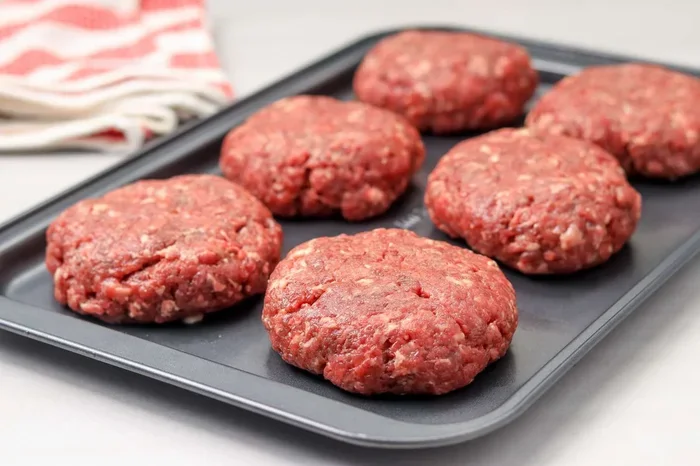
The pan you bake your burgers on affects the result. A dark, non-stick baking sheet absorbs more heat and can cause the bottom of the burger to overcook. A light-colored, aluminum baking sheet provides more even heat distribution. Lining the pan with parchment paper also prevents sticking without adding excess grease.
Making Patties Too Thin or Too Thick
Thin patties dry out quickly in the oven. Patties that are too thick may look done on the outside but remain undercooked in the middle. The ideal thickness for oven hamburger patties is about 1/2 inch to 3/4 inch. Use your thumb to press a small dimple in the center of each patty before baking. This prevents the burger from puffing up and cooking unevenly.
Not Letting the Meat Come to Room Temperature
Cold meat straight from the refrigerator cooks unevenly in the oven. The outside overcooks while the inside is still cold. Take your patties out of the fridge 15 to 20 minutes before baking. This small step leads to more even cooking and better texture.
Expert Insights for Perfect Oven Hamburgers Every Time
Cooking great burgers in the oven is a skill that anyone can learn. It does not require expensive equipment or years of experience. With the right knowledge and a few simple habits, you can consistently produce restaurant-quality oven burgers at home.
Start by investing in a good meat thermometer. This single tool takes the guesswork out of cooking and ensures your burgers are always perfectly done. Next, pay attention to your meat quality. Fresh ground beef from a good cut makes a noticeable difference in flavor and texture compared to pre-packaged, older meat.
Finally, do not be afraid to experiment. Try different seasoning blends, cheese varieties, and topping combinations. The beauty of oven-baked burgers is that they are forgiving. Even if a patty does not turn out perfectly the first time, you can apply the fixes in this guide and improve the next batch immediately.
Remember, how to fix hamburgers in the oven comes down to three core principles: control your temperature, manage your moisture, and give your burgers the resting time they deserve. Master these three things, and you will never have a bad oven burger again.
Keep a journal of your results. Note the temperature, time, and meat blend you used for each batch. Over time, you will develop your own perfect method. Cooking is a journey, and every batch teaches you something new. Enjoy the process and, most importantly, enjoy the delicious results.
Conclusion
Learning how to fix hamburgers in the oven is one of the most useful kitchen skills you can develop. Dry burgers, undercooked patties, and bland flavors are all fixable problems with the right approach. Adjust your oven temperature, manage moisture levels, season wisely, and always let your burgers rest before serving.
The tips in this guide give you everything you need to rescue a bad batch of burgers and prevent future mistakes. From choosing the right meat blend to using a meat thermometer, these simple steps make a world of difference. Your next oven-baked burger will be juicier, tastier, and more satisfying than anything you have made before.
Now that you know these fixes, put them into practice. Your family and guests will notice the difference immediately. Happy cooking, and enjoy every bite of your perfectly baked oven hamburgers!
Frequently Asked Questions
Can you fix a dry hamburger after it is cooked in the oven?
Yes, absolutely. Brushing the patty with beef broth, topping it with melted cheese, or serving it with a flavorful sauce can add moisture back. A small pat of butter on top right after baking also helps restore juiciness to dry oven burgers.
What is the best oven temperature for baking hamburgers?
The ideal temperature range is 375°F to 400°F. This range cooks the burger evenly, creates a light crust on the outside, and keeps the inside juicy. Avoid temperatures above 425°F, which can dry out the edges quickly.
How long should you bake hamburger patties in the oven?
At 375°F, standard half-inch patties need about 12 to 15 minutes. Thicker patties may require 18 to 20 minutes. Always use a meat thermometer to check that the internal temperature reaches 160°F for safe, fully cooked beef burgers.
Should you press down on hamburger patties while they bake?
No, never press down on burger patties during baking. Pressing squeezes out the natural juices and causes the meat to become dry and tough. Let the patty cook undisturbed for the best results.
Can you fix undercooked burgers by putting them back in the oven?
Yes, you can return undercooked burgers to the oven for an additional 2 to 3 minutes. Check the internal temperature with a meat thermometer to make sure it reaches 160°F throughout before serving.
Why do my oven hamburger patties keep shrinking?
Shrinking happens when the fat in the meat renders out during cooking. To minimize shrinkage, use ground beef with a higher fat content, around 80/20, and avoid overworking the meat when forming patties. Also, pressing a dimple in the center of the patty helps it maintain its shape.
=== CONCLUSION ===
How to fix hamburgers in the oven is a skill that anyone can master with a little knowledge and practice. The key is understanding what went wrong and applying the right fix. Whether your burger is dry, undercooked, or lacking flavor, the solutions in this guide will help you turn things around.
Control your oven temperature, keep your meat moist, season at the right time, and always let your burgers rest. These simple habits will transform your oven-baked burgers from ordinary to extraordinary. You will cook with more confidence, waste less food, and enjoy juicier, more flavorful burgers every time you use the oven.
Start with your next batch of burgers and put these tips into action. You will be surprised at how quickly your results improve. Happy baking, and here is to perfectly cooked oven hamburgers every single time!