Can Olive Oil Catch Fire In Oven What You Need To Know
Can olive oil catch fire in oven settings? Yes, it can, but only when it reaches its flash point. Understanding the smoke point and flash point of olive oil is essential for kitchen safety. This guide covers the real risks, prevention tips, and what to do if a fire starts. You’ll learn how to bake safely with your favorite oil.
Many home cooks ask, can olive oil catch fire in oven environments. The question comes up often because olive oil is a kitchen staple. People drizzle it on salads, use it for sautéing, and even bake with it. But when the oven heats up, the oil’s behavior changes. Understanding the science behind olive oil combustion helps you stay safe.
The answer is not a simple yes or no. Olive oil needs to reach a specific temperature to ignite. That temperature is called the flash point. Before it gets that hot, the oil will first smoke. Smoking is a warning sign. It tells you the oil is breaking down. If you ignore the smoke, the situation can escalate to a full grease fire. This is why knowing the smoke point and flash point is so important.
In this article, we will explore everything you need to know. We will look at what happens when olive oil gets hot. We will discuss different types of olive oil and their safe temperatures. You will learn how to prevent a kitchen fire. And we will cover exactly what to do if flames do appear. By the end, you will feel confident using olive oil in your oven.
Key Takeaways
- Olive oil can ignite: When heated beyond its flash point, olive oil can catch fire in an oven.
- Smoke point matters: Extra virgin olive oil has a lower smoke point than refined olive oil, making it more prone to smoking.
- Grease fires are serious: A cooking oil fire can spread quickly and should never be extinguished with water.
- Prevention is simple: Use the right oil type, avoid overheating, and never leave a hot oven unattended.
- Smother, don’t splash: The safest way to put out an oil fire is to cut off the oxygen supply.
- Know your oven-safe limits: Most baking recipes stay below the smoke point, but broiling or high-heat roasting can push oil to dangerous levels.
📑 Table of Contents
Can Olive Oil Catch Fire In Oven? The Real Risks
The short answer is yes, can olive oil catch fire in oven conditions if it gets hot enough. Olive oil is a cooking fat, and all fats can burn under the right circumstances. The risk depends on the temperature, the type of olive oil, and how long the heat is applied. A fire hazard exists whenever oil is heated beyond its limits.
What Is the Smoke Point?
The smoke point is the temperature at which oil starts to break down and produce visible smoke. When olive oil reaches this point, it begins to degrade. The polyphenols and monounsaturated fats start to oxidize. This process creates free radicals and acrid smoke. The smoke is not just unpleasant; it is a signal that the oil is approaching dangerous territory.
For extra virgin olive oil, the smoke point is typically around 375°F to 410°F (190°C to 210°C). Refined or light olive oil has a higher smoke point, often around 465°F (240°C). The more refined the oil, the higher the smoke point. This is because refining removes impurities and free fatty acids that burn easily.
What Is the Flash Point?
The flash point is the temperature at which the oil gives off enough vapors to ignite in the presence of a flame or spark. For olive oil, the flash point is usually between 600°F and 700°F (315°C to 370°C). This is much higher than the smoke point. However, if the oil is already smoking, it is close to this dangerous zone. A flash fire can happen suddenly if a spark or heating element ignites the vapors.
In a typical home oven, the temperature rarely reaches the flash point of olive oil. But there are situations where it can. Broiling, for example, uses direct high heat from above. If an olive oil-coated dish is placed under the broiler, the oil can overheat quickly. A cooking oil fire can start in seconds.
How Oven Temperature Affects Olive Oil Safety
Ovens can reach very high temperatures. A standard home oven goes up to 500°F to 550°F (260°C to 290°C). That is well above the smoke point of extra virgin olive oil. So, is baking with olive oil safe? It depends on the recipe and the temperature.
Common Oven Temperatures and Oil Behavior
Most baking recipes call for temperatures between 325°F and 400°F (165°C to 200°C). At these temperatures, olive oil is generally safe. It will not smoke or ignite. The oil helps keep baked goods moist and adds a fruity flavor. Baking with olive oil is common in Mediterranean cuisine.
However, if you set your oven to 450°F or higher, the oil on food surfaces can start to smoke. Roasting vegetables with olive oil at high heat can lead to smoking. If you see smoke, your oven is too hot or the oil has been on the food too long. Reducing the temperature or shortening the time can prevent a fire.
Baking with Olive Oil: Is It Safe?
Yes, baking with olive oil is safe when done correctly. Cakes, muffins, and quick breads often use olive oil instead of butter. The oil distributes heat evenly and keeps the crumb tender. Just remember that olive oil has a lower smoke point than some other oils like avocado oil or refined canola oil.
If you are baking at 350°F, you are well within the safe range. The oil will not reach its flash point. But if you are making a pizza with a lot of olive oil brushed on top, be careful. The cheese and oil can combine to create a greasy surface that overheats quickly under the broiler.
| Olive Oil Type | Smoke Point | Best Oven Use |
|---|---|---|
| Extra Virgin Olive Oil | 375°F – 410°F (190°C – 210°C) | Low to medium baking (325°F – 375°F) |
| Virgin Olive Oil | 390°F – 420°F (195°C – 215°C) | Medium baking and roasting (350°F – 400°F) |
| Refined / Light Olive Oil | 465°F (240°C) | Higher-temperature roasting (up to 450°F) |
| Pomace Olive Oil | 460°F – 480°F (238°C – 250°C) | High-heat cooking and industrial baking |
This table shows that not all olive oils behave the same. Refined olive oil handles higher oven temperatures better than extra virgin. If you plan to roast at 450°F, choose a refined or light olive oil. It will be more stable and less likely to smoke.
Signs Your Olive Oil Is About to Overheat
Knowing the warning signs of overheating oil can prevent a disaster. A grease fire does not usually start without warning. Your senses can alert you if you pay attention.
Visual Cues: Smoking and Changes in Color
The first clear sign is smoke. If you open the oven and see wisps of smoke coming from a dish, the oil is too hot. The smoke might be thin and blue at first. As the oil gets hotter, the smoke becomes thicker and white or gray. The oil may also change color, becoming darker or looking slightly burned.
Another visual cue is shimmering or rippling. When oil heats evenly, it shimmers. But if it starts to ripple violently or sputter, it is breaking down. This is a sign that the thermal breakdown has begun.
Smell and Sound Warnings
Your nose is a great detector. Overheating olive oil produces a sharp, acrid smell. It smells different from the fruity aroma of fresh olive oil. If you notice a burnt or harsh odor, open the oven door carefully and reduce the heat immediately.
Listen for popping or crackling sounds. When water or impurities in the oil hit the hot pan or dish, they can pop. This is common when roasting vegetables with olive oil. The popping is not always dangerous, but it means the oil is at a high temperature. If the popping turns into a hissing or sizzling sound, the oil is close to its smoke point.
How to Prevent Olive Oil Fires in the Oven
Prevention is the best way to avoid a kitchen fire. A few simple habits can keep your oven safe. You do not need to give up baking with olive oil. You just need to use it wisely.
Choosing the Right Olive Oil
Not all olive oils are created equal when it comes to heat. For high-temperature oven use, pick a refined or light olive oil. These oils have been processed to remove impurities that burn easily. They have higher smoke points and greater stability.
If you love the flavor of extra virgin olive oil, reserve it for low-heat baking or finishing dishes after cooking. Use it for drizzling on bread, making salad dressings, or adding to a finished soup. Save the refined olive oil for roasting vegetables or baking at higher temperatures.
Practical Tips for Safe Oven Use
- Do not overfill baking dishes: A thin layer of oil is enough. Too much oil pools and overheats faster.
- Avoid broiling with olive oil: The direct radiant heat from the broiler can push oil past its flash point in seconds.
- Use oven-safe cookware: Glass, ceramic, and metal pans distribute heat evenly. Avoid thin or dark pans that absorb too much heat.
- Set a timer: Overcooking dries out food and causes the oil to smoke. Check your dish a few minutes before the recommended time.
- Keep the oven clean: Grease splatters on the oven walls can ignite during self-cleaning cycles or high-heat roasting.
- Never leave the oven unattended: Especially when cooking with oil at high temperatures. A few minutes of attention can prevent a fire.
Quick Tips for Olive Oil Safety
Here are some quick reminders you can use every time you bake with olive oil:
- Check the recipe temperature before you start.
- Choose an olive oil with a smoke point above your baking temperature.
- Use a light coating of oil, not a puddle.
- Place the dish on the middle rack for even heat.
- Set a timer and check for smoke at the halfway point.
- If you see smoke, turn off the oven and let it cool.
What to Do If Olive Oil Catches Fire
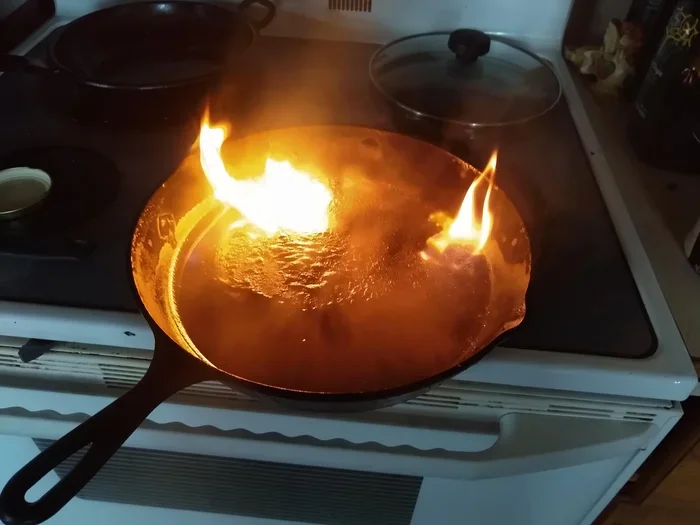
Even with precautions, fires can happen. If you see flames in the oven, stay calm. Your reaction matters. Panic leads to bad decisions that can make the fire worse.
Never Use Water
The most important rule is never throw water on a grease fire. Water and burning oil do not mix. Water is denser than oil, so it sinks to the bottom. The heat instantly turns the water into steam. This causes the burning oil to explode and splatter. The fire can spread rapidly across the kitchen. It can cause severe burns and damage.
Do not try to move the burning pan outside. You risk spilling the oil on yourself or spreading the fire. Do not use a wet towel either. Moisture can cause the oil to spit and flare up.
Smothering the Flame and Safety Steps
The best way to extinguish an oven fire is to cut off the oxygen supply. Here is what to do:
- Keep the oven door closed. Closing the door deprives the fire of oxygen. Do not open it to check. This can cause a rush of air that feeds the flames.
- Turn off the oven. If it is safe to reach the controls, turn the oven off. Let the oven cool down with the door closed.
- Use a metal lid or baking sheet. If the fire is in a pan on the stovetop, slide a metal lid over it. Do not use glass, which can shatter from the heat.
- Use a fire extinguisher. If you have a Class B or Class K fire extinguisher, aim it at the base of the fire. Stand back and use short bursts.
- Call for help if needed. If the fire does not go out quickly, leave the house and call the fire department. Safety comes first.
After the fire is out, let everything cool completely before opening the oven or touching the pan. Grease residue can reignite if it is still hot. Clean the oven thoroughly before using it again.
Expert Insights on Olive Oil and Heat
Professional chefs and food scientists agree that olive oil is versatile but has limits. Dr. Maryann Fisher, a food chemist, explains that the free fatty acids in olive oil determine its heat stability. Extra virgin olive oil contains more free fatty acids, which makes it more sensitive to high heat. Refined olive oil has fewer of these acids, so it can handle higher temperatures.
Chef Antonio Rossi, a Mediterranean cuisine specialist, says, “I never use extra virgin olive oil for broiling. I save it for finishing. For roasting, I use a refined olive oil or a blend. It gives me the flavor without the worry.” His advice highlights the importance of matching the oil to the cooking method.
Another expert, food safety specialist Karen Liu, emphasizes the role of oven-safe cookware. She says, “Even the best oil can fail if the pan is wrong. Dark, thin pans absorb too much heat and can create hot spots. Use light-colored, heavy pans for oven baking with oil.”
Common Mistakes People Make
- Using extra virgin olive oil for high-heat roasting: This is the most common mistake. The oil smokes and can ignite.
- Overfilling the pan with oil: A little oil goes a long way. Too much oil pools and overheats.
- Ignoring the smoke: Many people think a little smoke is normal. It is not. Smoke means the oil is decomposing and close to ignition.
- Placing oil-coated dishes near the top rack: The top rack is closest to the broiler element. This can cause rapid overheating.
- Reusing old oil: Oil that has been heated many times breaks down faster. It has a lower smoke point and is more likely to smoke.
Key Takeaways for Safe Olive Oil Use
Baking and roasting with olive oil can be safe and delicious. The key is understanding the temperature limits. Can olive oil catch fire in oven settings? Yes, if the oil reaches its flash point. But with the right oil, the right temperature, and a little attention, you can avoid any fire risk entirely.
Always check the smoke point of your olive oil. Use extra virgin for low-heat applications and refined for higher heat. Keep an eye on your food for signs of smoking. Never leave a hot oven unattended. And if a fire does start, remember to smother it, not splash water. These simple steps protect your kitchen and your family.
Olive oil is a healthy and flavorful choice. It is full of monounsaturated fats and antioxidants. When you use it correctly, it enhances your food without creating a hazard. Treat it with respect, and it will serve you well in every dish.
So, the next time you preheat the oven, you will know exactly what to do. Choose the right oil, set the right temperature, and watch for the warning signs. A little knowledge goes a long way in preventing a grease fire. You can bake with confidence and enjoy the rich taste of olive oil in your favorite recipes.
Frequently Asked Questions
What happens if olive oil smokes in the oven?
When olive oil smokes, it means it has reached its smoke point and is breaking down. The oil produces harmful compounds and acrid smoke. At this stage, the oil is very close to its flash point and could ignite if the temperature rises further. Open a window, turn down the heat, or remove the dish safely.
Is extra virgin olive oil safe for baking?
Yes, extra virgin olive oil is safe for baking at moderate temperatures, typically 325°F to 375°F (165°C to 190°C). It adds a fruity flavor to cakes, muffins, and quick breads. However, it is not ideal for high-heat roasting or broiling because its smoke point is lower than refined olive oil.
Can you put olive oil in a hot oven?
Putting olive oil in a hot oven is safe as long as the temperature stays below the oil’s smoke point. If you are baking at 350°F, olive oil will not ignite. The risk increases if the oven is set to 450°F or higher, or if the oil is directly exposed to a broiler element.
How do you put out an olive oil fire in the oven?
Keep the oven door closed and turn off the heat. Closing the door cuts off the oxygen and can suffocate the flames. Do not open the door to check. If the fire is in a pan on the stovetop, slide a metal lid over it. Never use water on a grease fire.
What is the difference between smoke point and flash point?
The smoke point is the temperature at which oil starts to break down and produce smoke. The flash point is the higher temperature at which the oil’s vapors can ignite in the presence of a flame or spark. Smoke comes first, and if the temperature keeps rising, the oil can reach its flash point and catch fire.
Can olive oil ignite from a spark in the oven?
Yes, if olive oil is at or near its flash point, a spark from the heating element or a stray piece of food can ignite it. This is why it is important not to overheat oil and to avoid using olive oil under the broiler, where direct high heat can push the oil to dangerous temperatures quickly.