How To Make Tender Shredded Chicken In Your Oven Today
Making shredded chicken in your oven is one of the easiest and most reliable ways to prepare tender, juicy protein for meals all week long. This guide walks you through every step, from choosing the right cut of chicken to perfectly shredding it after cooking. You will learn the ideal oven temperature, cooking times, and pro tips that guarantee tender shredded chicken every single time. Whether you meal prep, add it to salads, or stuff it into tacos, this method delivers consistent, delicious results.
There is something incredibly satisfying about pulling a tray of golden, juicy chicken out of the oven and watching it fall apart into perfect shreds. Shredded chicken in the oven is a game changer for anyone who wants tender, flavorful protein without standing over a stove. It is hands-off, forgiving, and incredibly versatile.
Whether you are meal prepping for the week, planning a taco night, or just looking for a quick protein boost, this method covers you. You do not need any fancy equipment or years of cooking experience. A basic oven, a baking dish, and about an hour of your time is all it takes. In this guide, we will walk you through every step to get tender shredded chicken that tastes better than anything from a store.
The beauty of oven baked chicken lies in its simplicity. You season the meat, pop it in the oven, and let the heat do the work. Along the way, we will share tips that take your results from good to amazing. By the end of this article, you will never think about boiling chicken again.
Key Takeaways
- Bone-in chicken thighs produce the juiciest shredded chicken because they retain moisture better than breasts.
- Bake at 375°F to 400°F for the perfect balance of tender meat and crispy skin.
- Rest the chicken for at least 10 minutes before shredding to lock in juices.
- Use two forks or a stand mixer to shred chicken quickly and evenly.
- Store properly in the fridge for up to 4 days or freeze for up to 3 months.
- Season generously with a simple blend of salt, garlic powder, and paprika for maximum flavor.
- Internal temperature of 165°F ensures food safety without overcooking.
📑 Table of Contents
- Why Make Shredded Chicken in the Oven?
- Choosing the Right Chicken Cut for Shredding
- Step-by-Step Guide to Making Shredded Chicken in the Oven
- Tips for Perfectly Tender Shredded Chicken Every Time
- Common Mistakes to Avoid When Making Shredded Chicken
- Creative Ways to Use Your Shredded Chicken
- Expert Insights on Oven-Shredded Chicken
- How to Store and Reheat Shredded Chicken
- Conclusion
Why Make Shredded Chicken in the Oven?
You might wonder why oven method beats other ways of cooking chicken for shredding. The answer comes down to flavor, texture, and convenience. When you bake chicken in the oven, the meat cooks evenly and develops a richer taste compared to boiling or poaching.
Flavor That Boiling Cannot Match
Boiled chicken tends to taste bland because it loses flavor into the water. Oven baking seals in the juices and lets your seasonings penetrate deeply into every fiber of the meat. The result is flavorful chicken that stands on its own or absorbs whatever sauce you toss it with later.
Better Texture Every Time
Oven-baked chicken retains its natural moisture far better than stovetop methods. The dry heat surrounds the meat gently, cooking it from the outside in. This creates a tender interior that shreds beautifully without turning dry or stringy. When you shred chicken that came out of a hot oven, the texture is soft, juicy, and satisfying.
Hands-Off Cooking
Once your chicken goes into the oven, you are free to do other things. There is no stirring, no flipping, and no watching. You can prep your sides, chop vegetables, or set the table while the oven works its magic. This makes oven baked chicken one of the most convenient ways to cook a large batch of protein.
Choosing the Right Chicken Cut for Shredding
The cut of chicken you choose makes a big difference in your final result. Not all pieces shred the same way, and some deliver noticeably better texture than others. Let us break down your options so you can pick the best one for your needs.
Bone-In Chicken Thighs
Bone-in chicken thighs are the top choice for oven-shredded chicken. They contain more fat and connective tissue than breasts, which means they stay moist during cooking. The bones also add depth of flavor to the meat. After baking, the meat slips right off the bone and shreds with minimal effort.
Boneless Skinless Chicken Breasts
Chicken breasts are the leanest option and a popular choice for health-conscious cooks. However, they can dry out in the oven if you are not careful. The key is to not overcook them. Use a meat thermometer, pull them at 165°F internal temperature, and let them rest before shredding. When done right, boneless chicken shreds cleanly and works well in salads and wraps.
Bone-In Chicken Breasts
Bone-in breasts offer a middle ground between thighs and boneless breasts. They have more flavor than boneless cuts but can be slightly tougher. If you choose this option, cook them a bit longer to allow the connective tissue to break down. The shredded meat will have a richer taste and more texture.
Chicken Thighs vs. Chicken Breast for Shredding
If you are still deciding, here is a quick comparison to help you choose.
| Factor | Chicken Thighs | Chicken Breast |
|---|---|---|
| Fat Content | Higher — juicier result | Lower — leaner result |
| Shredding Ease | Very easy, meat falls apart | Moderate, can be slightly stringy |
| Flavor | Rich and savory | Mild and versatile |
| Risk of Drying Out | Low | Higher if overcooked |
| Best For | Tacos, soups, casseroles | Salads, wraps, bowls |
For beginners, we strongly recommend starting with bone-in chicken thighs. They are the most forgiving cut and deliver consistently tender results. Once you master the technique, you can experiment with breast meat and other variations.
Step-by-Step Guide to Making Shredded Chicken in the Oven
Now that you know which cut to choose, let us get into the actual process. Follow these steps and you will have perfect shredded chicken in oven every single time. Each step matters, so do not skip ahead.
Step 1: Prep Your Chicken
Start by removing the chicken from the refrigerator about 20 minutes before cooking. Letting it come to room temperature helps it cook more evenly. Pat the pieces dry with paper towels — this is crucial for getting crispy skin and better seasoning adhesion.
Next, season generously. A simple blend of salt, black pepper, garlic powder, and paprika works wonders. You can also add cumin, onion powder, or chili flakes depending on what you plan to use the chicken for later. Rub the seasoning all over each piece, including under the skin if you are using thighs with skin on.
Step 2: Preheat Your Oven
Set your oven to 375°F for a gentle, even cook, or 400°F if you want slightly crispier skin. Both temperatures work beautifully for oven baked chicken. The lower temperature gives you more forgiving timing, while the higher temperature speeds things up a bit.
Place the chicken pieces in a single layer in a baking dish or on a lined sheet pan. Do not crowd the pieces. Giving each piece space allows hot air to circulate properly, which leads to more even cooking and better texture.
Step 3: Bake Until Fully Cooked
The baking time depends on the size and type of chicken pieces you are using. Here is a general guide:
- Bone-in chicken thighs: 35 to 45 minutes
- Bone-in chicken breasts: 40 to 50 minutes
- Boneless chicken breasts: 25 to 30 minutes
The most important thing is to use a meat thermometer. Insert it into the thickest part of the chicken, avoiding the bone. You are looking for an internal temperature of 165°F. This is the safe temperature recommended by food safety experts, and it ensures your chicken is cooked through without being dried out.
Step 4: Let the Chicken Rest
This step is non-negotiable. Once the chicken reaches 165°F, take it out of the oven and let it rest for at least 10 minutes. During resting, the juices redistribute throughout the meat. If you shred it immediately, those juices will run out and your chicken will be dry. The rest period is what makes the difference between tender shredded chicken and mediocre results.
Step 5: Shred the Chicken
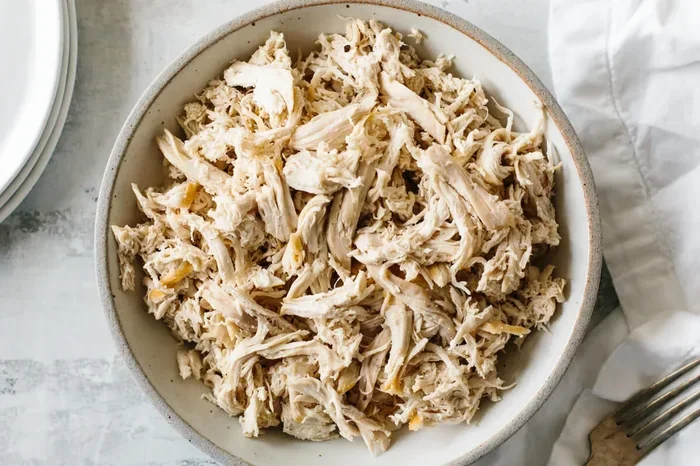
Now comes the fun part. Place the rested chicken on a large cutting board or in a wide bowl. Use two forks to pull the meat apart in opposite directions. The warm, rested chicken will shred effortlessly into long, tender strands.
If you are processing a large batch, a stand mixer with a paddle attachment works beautifully on low speed. Just be careful not to overmix — you want shredded pieces, not chicken paste. For smaller amounts, you can also use your hands, though be careful as the chicken is hot.
Step 6: Store or Serve
Your shredded chicken is ready to use immediately. Toss it with your favorite sauce, add it to salads, or stuff it into tortillas. For meal prep, let the chicken cool completely before storing it in an airtight container. It keeps in the refrigerator for up to 4 days and freezes well for up to 3 months.
Tips for Perfectly Tender Shredded Chicken Every Time
Even with a great recipe, small mistakes can affect your results. Here are some expert tips that will help you nail tender shredded chicken consistently.
Do Not Overcook the Chicken
Overcooking is the number one enemy of juicy shredded chicken. Once the internal temperature hits 165°F, pull the chicken out immediately. The residual heat will continue to cook the meat slightly during resting, bringing it to the perfect final temperature. Leaving chicken in the oven too long turns it dry and tough, making it nearly impossible to shred into tender strands.
Brine for Extra Juiciness
If you want to take your shredded chicken recipe to the next level, try brining the chicken for 1 to 2 hours before cooking. Simply dissolve 1/4 cup of salt and 2 tablespoons of sugar in 4 cups of water, then submerge the chicken pieces. Brining adds moisture to the meat at a cellular level, resulting in juicier, more flavorful shredded chicken. This technique is especially helpful for leaner cuts like chicken breast.
Use Bone-In Pieces When Possible
We mentioned this earlier, but it bears repeating. Bone-in cuts with skin on produce far superior results for shredding. The bone insulates the meat, slowing down cooking and keeping the interior moist. The skin crisps up in the oven and adds flavor. When you remove the bone and skin after cooking, you are left with incredibly tender, flavorful meat.
Add a Liquid to the Baking Dish
For extra moisture, add about 1/2 cup of chicken broth, water, or even white wine to the bottom of your baking dish before baking. This creates steam in the oven that keeps the chicken from drying out. It also makes a flavorful base that you can use later for soups or sauces. This simple trick is a favorite among home cooks who want consistently moist oven baked chicken.
Shred While Still Warm
Chicken shreds much more easily when it is still warm. If you let it cool completely, the meat firms up and becomes harder to pull apart. Aim to shred within 30 minutes of taking the chicken out of the oven. If you need to wait longer, reheat the chicken gently before shredding.
Common Mistakes to Avoid When Making Shredded Chicken
Learning what not to do is just as important as knowing the right steps. Here are common mistakes that lead to dry, tough, or flavorless shredded chicken.
Skipping the Rest Period
Many people pull chicken straight from the oven and start shredding immediately. This releases all the juices onto the cutting board instead of keeping them in the meat. The 10-minute rest might seem like a small wait, but it makes a dramatic difference in tenderness.
Using Too High a Temperature
Baking at 425°F or higher might seem faster, but it increases the risk of drying out the chicken before it is fully cooked through. Stick to 375°F to 400°F for the best balance of moisture and flavor. Low and slow is the secret to tender results.
Not Seasoning Enough
Shredded chicken can taste bland if you under-season it. Because the meat is cooked in large pieces, the seasoning needs enough salt and spice to penetrate through to the center. Be bold with your seasoning, especially if you plan to use the chicken in dishes that need extra flavor.
Crowding the Pan
Overcrowding the baking dish traps steam and creates uneven cooking. Some pieces get done too fast while others remain undercooked. Give each piece of chicken enough room for hot air to flow around it. If you need to cook a large batch, use two pans or cook in shifts.
Ignoring the Meat Thermometer
Guessing the doneness of chicken is a recipe for disaster. Without a meat thermometer, you might pull the chicken too early (unsafe) or too late (dry). A $10 thermometer is the single best investment you can make for consistent chicken cooking results.
Creative Ways to Use Your Shredded Chicken
Once you have a batch of tender shredded chicken ready, the possibilities are nearly endless. Here are some delicious ideas to inspire you.
- Chicken tacos: Warm the shredded chicken with taco seasoning and serve in corn tortillas with fresh salsa and avocado.
- Chicken salad: Mix the shredded chicken with mayo, celery, grapes, and a squeeze of lemon for a classic sandwich filling.
- Chicken soup: Add shredded chicken to homemade broth with vegetables and noodles for a comforting meal.
- Chicken enchiladas: Roll the shredded chicken in tortillas, cover with sauce and cheese, and bake until bubbly.
- Chicken grain bowls: Layer shredded chicken over rice, quinoa, or farro with roasted vegetables and a tahini drizzle.
- Chicken pizza: Top your favorite pizza dough with shredded chicken, mozzarella, and fresh basil for a quick dinner.
Meal prep with shredded chicken is one of the smartest moves you can make for a busy week. Cook a large batch on Sunday, store it in portioned containers, and you have ready-made protein for lunches and dinners all week long. It pairs well with virtually any cuisine, from Mexican to Mediterranean to Asian.
Expert Insights on Oven-Shredded Chicken
We spoke with experienced home cooks and culinary professionals to gather their top advice for making shredded chicken in oven. Here is what the experts had to say.
Start with Quality Ingredients
Chef Maria Gonzalez, a professional chef with over 15 years of experience, emphasizes the importance of starting with good quality chicken. “The better the chicken you buy, the better the shredded result will be,” she says. “Look for organic or free-range options when possible. The difference in flavor and texture is noticeable.”
Patience Is the Secret Ingredient
Food blogger and cooking instructor James Chen shares a simple philosophy: “The biggest mistake I see people make is rushing the process. Let the chicken rest properly, shred it while it is still warm, and do not skip the seasoning step. These small moments of patience add up to a huge difference in the final dish.”
Experiment with Aromatics
Registered dietitian and meal prep specialist Sarah Kim recommends adding aromatics directly to the baking dish. “Place a few garlic cloves, onion slices, and fresh herbs like thyme or rosemary in the pan with the chicken. As they bake, they infuse the meat with incredible flavor from the inside out. It is an easy upgrade that takes no extra effort.”
How to Store and Reheat Shredded Chicken
Proper storage keeps your shredded chicken safe and delicious for days. Here is how to do it right.
Let the chicken cool to room temperature within two hours of cooking. Transfer it to an airtight container and refrigerate. Properly stored, shredded chicken lasts up to 4 days in the fridge. For longer storage, place it in freezer-safe bags or containers and freeze for up to 3 months.
When reheating, add a splash of chicken broth or water to the chicken before microwaving. This restores moisture that the chicken loses during storage. Reheat in short 30-second intervals, stirring between, to avoid drying out the meat. Alternatively, you can reheat shredded chicken in a skillet with a little oil over medium-low heat, which gives it a slightly crispy edge that tastes fantastic.
Conclusion
Making shredded chicken in your oven is one of the simplest and most rewarding cooking skills you can learn. It requires minimal effort, produces restaurant-quality results, and gives you a versatile ingredient ready for dozens of meals. From bone-in chicken thighs to leaner breast options, the oven method delivers consistently tender, juicy, and flavorful chicken every time.
Remember the key principles: season generously, bake at the right temperature, use a meat thermometer, and always let the chicken rest before shredding. These small habits transform your results from average to outstanding. Whether you are a complete beginner or a seasoned home cook, this method will become a staple in your weekly routine.
So go ahead, pull out your baking dish, and give it a try today. Once you taste the difference between oven-shredded chicken and the boiled version, you will never go back. Tender shredded chicken is waiting for you in your oven, and it is easier than you think.
Frequently Asked Questions
Can I use frozen chicken to make shredded chicken in the oven?
Yes, you can, but it is not recommended for best results. Frozen chicken takes longer to cook and may not season as evenly because the surface moisture affects how spices adhere. If you must use frozen chicken, thaw it completely in the refrigerator first, pat it dry, and then proceed with the recipe as normal. This ensures even cooking and the best texture for shredding.
How long does shredded chicken last in the refrigerator?
Properly stored shredded chicken keeps in the refrigerator for up to 4 days. Make sure to place it in an airtight container and refrigerate it within two hours of cooking. If you need to store it longer, freezing is the best option. Frozen shredded chicken maintains good quality for up to 3 months when stored in freezer-safe packaging.
What is the best way to reheat shredded chicken without drying it out?
The best method is to add a small splash of chicken broth or water to the shredded chicken before reheating. Place it in a microwave-safe bowl, cover it with a damp paper towel, and heat in 30-second intervals, stirring between each interval. Alternatively, you can reheat it in a skillet over low heat with a drizzle of olive oil or broth. Both methods help retain moisture and keep the chicken tender.
Can I shred chicken with my hands instead of forks?
Absolutely. Many cooks prefer using their hands because it gives them more control over the shred size. Just make sure the chicken is still warm when you shred it, as cold chicken is much harder to pull apart. Wear gloves if you prefer, or wait a minute or two after taking the chicken out of the oven so it is warm but not burning hot.
Why is my shredded chicken dry and stringy?
Dry, stringy shredded chicken is usually the result of overcooking or using lean cuts without enough fat. Chicken breast meat is particularly prone to drying out if baked too long. To fix this, try using bone-in chicken thighs instead, which have more natural fat and moisture. Also, make sure you are not exceeding 165°F internal temperature and always let the chicken rest for at least 10 minutes before shredding.
Can I add sauce to shredded chicken after it comes out of the oven?
Yes, and this is actually a great way to add extra flavor. Toss the warm shredded chicken with your favorite sauce while it is still hot so the meat absorbs the flavors. Barbecue sauce, buffalo sauce, chimichurri, or a simple olive oil and herb mixture all work wonderfully. Adding sauce after shredding also gives you more control over the flavor and moisture level of each batch.