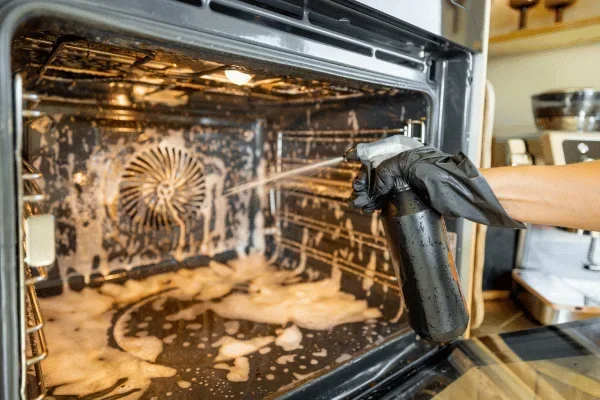
How To Clean Oven With Burnt Food Without Any Effort
Learning how to clean oven with burnt food is easier than you think. You can use simple household items like baking soda, vinegar, and dish soap to dissolve tough grime without harsh chemicals. This guide covers proven methods that save time, money, and effort while keeping your oven spotless.
Nobody loves cleaning the oven. It is one of those chores that nobody looks forward to, especially when there is burnt food stuck to every surface. The good news is that you do not need expensive chemical sprays or endless scrubbing to get the job done. With the right approach, cleaning burnt food from oven surfaces becomes quick, simple, and surprisingly satisfying. In this guide, you will learn the best methods to clean oven with burnt food using items you already have at home. These tips work on all oven types, including gas ovens, electric ovens, and convection models. Let us dive in and make your oven sparkle again.
Over time, food spills, grease splatters, and crumbs build up inside your oven. This creates a sticky, smoky mess that gets worse every time you turn on the heat. Burnt food removal does not have to be a dreaded weekend task. With the right oven cleaning hacks, you can tackle even the worst grime in under an hour. Whether you are dealing with a recent spill or months of built-up residue, these methods deliver real results. You will save money, avoid toxic fumes, and keep your kitchen smelling fresh.
Key Takeaways
- Baking soda paste is the #1 go-to method for breaking down burnt food residue safely and affordably.
- Vinegar and water solution adds a powerful boost when paired with baking soda for deep cleaning.
- Soaking oven racks in hot soapy water loosens stubborn grease and food particles quickly.
- Preventing buildup with regular wipe-downs keeps your oven clean and reduces deep cleaning sessions.
- Household items work better than store-bought cleaners in most cases and cost a fraction of the price.
- Steam cleaning is a gentle yet effective approach for loosening baked-on grime without scrubbing hard.
- Consistency matters — cleaning your oven every few weeks prevents tough burnt-on buildup from forming.
📑 Table of Contents
Why Burnt Food Sticks to Your Oven
Understanding why burnt food clings to oven surfaces helps you choose the best cleaning approach. When food is heated repeatedly, the sugars and fats undergo a process called caramelization and carbonization. This creates a hard, dark crust that bonds tightly to metal and glass surfaces. The longer you ignore it, the harder it becomes to remove.
The Science Behind Burnt-On Mess
When food spills inside a hot oven, the moisture evaporates quickly. What is left behind is concentrated fat, sugar, and protein. Over multiple cooking sessions, these residues bake onto the walls, floor, and ceiling of the oven. This creates a stubborn layer that regular wiping cannot handle. The temperature inside your oven accelerates this process, making grease removal from oven surfaces a real challenge.
Different types of food leave different kinds of residue. Sugary spills like pie filling or caramel create hard, glassy spots. Greasy foods like roasted meat or cheese leave a sticky film that attracts more dirt over time. Knowing what type of burnt food you are dealing with helps you pick the most effective cleaning method.
Common Mistakes That Make Burnt Food Worse
Many people make mistakes that turn minor spills into major problems. Here are a few things to avoid:
- Ignoring spills right away — the longer food sits, the more it bonds to the oven surface.
- Using steel wool on glass surfaces — this creates scratches that trap grime even deeper.
- Overloading the oven — spills happen more often when food overflows from pans and dishes.
- Using the wrong cleaning products — harsh chemical cleaners can damage oven coatings and release toxic fumes.
Avoiding these habits keeps your oven cleaner for longer and makes future deep clean oven sessions much easier.
Best Natural Methods to Clean Oven With Burnt Food
You do not need to buy expensive oven cleaners to get great results. Several natural ingredients dissolve burnt food effectively and safely. These oven cleaning hacks have been tested and trusted by homeowners around the world. Each method targets different levels of grime, so you can choose what works best for your situation.
Method 1: Baking Soda Paste — The Gold Standard
Baking soda oven cleaner is the most popular and effective natural method. Baking soda is a gentle abrasive that breaks down grease and food residue without scratching surfaces. It is safe, affordable, and works on all oven types.
Here is how to do it:
- Mix about half a cup of baking soda with a few tablespoons of water to form a thick paste.
- Remove the oven racks and set them aside.
- Put on gloves and spread the paste evenly inside the oven, avoiding the heating elements.
- Focus on areas with the worst burnt food buildup.
- Let the paste sit overnight or for at least 8 hours.
- Wipe away the paste with a damp cloth or sponge.
- Use a spray bottle with water or a vinegar solution to rinse off any remaining residue.
This method works wonders on burnt grease removal from oven walls and floors. For tough spots, let the paste sit for an extra few hours or apply a second layer.
Method 2: Vinegar and Baking Soda Reaction
This method takes the baking soda approach one step further. The chemical reaction between baking soda and vinegar creates a fizzing action that lifts stubborn grime. It is one of the most satisfying cleaning burnt food from oven techniques you can try.
After applying the baking soda paste and letting it sit, spray white vinegar directly onto the paste. The mixture will bubble and fizz, which helps loosen the burnt food. Let it sit for 15 to 20 minutes, then wipe clean with a damp cloth. This approach is excellent for oven interior cleaning and works well on moderate buildup.
Method 3: Steam Cleaning for Gentle Burnt Food Removal
Steam cleaning is one of the gentlest and most effective ways to soften burnt food. The moisture penetrates the crust and loosens it from the oven surface without harsh scrubbing.
To steam clean your oven:
- Fill a small oven-safe dish with water and add a splash of lemon juice or white vinegar.
- Place the dish on the bottom rack of the oven.
- Heat the oven to 200 degrees Fahrenheit for about 30 minutes.
- Turn off the oven and leave the door closed for another 30 minutes.
- Remove the dish and wipe down the interior with a damp cloth.
The steam softens even the most stubborn food residue removal targets. After this step, a light wipe with baking soda paste handles any remaining grime. This method is perfect for people who want a gentle oven cleaning approach.
Method 4: Dish Soap and Warm Water Soak
For lighter buildup, a simple dish soap solution works well. Mix warm water with a few drops of dish soap in a spray bottle. Spray the inside of the oven generously and let it sit for 20 minutes. The soap breaks down grease and softens food particles. Wipe clean with a sponge or microfiber cloth. This method is ideal for regular maintenance cleaning between deeper sessions.
How to Clean Oven Racks With Burnt Food
Oven racks are often the most challenging part of the entire cleaning process. They accumulate layers of baked-on grease and food residue that seem impossible to remove. But with the right technique, you can make them look brand new again.
The Bath Method
This is the most popular method for clean oven racks with heavy buildup. Here is what you need to do:
- Find a large sink, bathtub, or storage bin that can fit your oven racks.
- Fill it with hot water and add two tablespoons of dish soap.
- For tough grime, add half a cup of baking soda or a cup of white vinegar.
- Submerge the racks completely and let them soak for at least 4 hours, or overnight for the best results.
- After soaking, scrub the racks with a non-abrasive sponge or soft brush.
- Rinse thoroughly with clean water and dry completely before placing them back in the oven.
The soaking loosens the burnt food and makes scrubbing much easier. For particularly stubborn spots, apply a paste of baking soda and water directly to the affected area and let it sit for 30 minutes before scrubbing.
Using a Pressure Washer or Garden Hose
If your oven racks are extremely dirty and the bath method is not enough, try using a pressure washer or a strong garden hose. The high-pressure water stream blasts away loosened grime after soaking. This is a great tip for grease removal from heavily coated racks. Just be sure to let the racks dry completely to prevent rust.
Quick Tips for Oven Rack Maintenance
- Clean oven racks every 1 to 2 months to prevent heavy buildup.
- Line racks with aluminum foil or a silicone mat to catch drips and spills.
- Wipe racks after each use when they are still warm and residue is easy to remove.
- Never use abrasive pads on coated racks — this damages the protective coating.
Preventing Burnt Food Buildup in Your Oven
The best way to deal with burnt food is to prevent it from building up in the first place. A little prevention goes a long way toward keeping your oven clean and odor-free. These simple habits make a huge difference over time.
Use Oven Liners and Covers
Oven liners are thin, heat-resistant mats that sit on the bottom of your oven. They catch drips, spills, and crumbs before they can bake onto the oven floor. Oven maintenance tips like this save you hours of scrubbing. Silicone oven liners are reusable and easy to wash. You can find them at most kitchen supply stores for a few dollars.
Cover Food While Cooking
Covering dishes with aluminum foil or oven-safe lids prevents food from splattering onto oven walls. This is especially helpful when roasting meats, baking casseroles, or cooking foods that tend to bubble over. Taking this simple step reduces food residue removal needs significantly.
Clean Spills Immediately
The best easy oven cleaning habit is to wipe up spills as soon as possible. Wait until the oven cools down enough to touch safely, then wipe the affected area with a damp cloth. If the spill is still fresh, a quick wipe is all it takes. Letting spills sit and bake on creates the tough residue that requires deep cleaning later.
Schedule Regular Cleaning Sessions
Set a reminder to clean your oven every 2 to 4 weeks. A quick wipe-down with a mild cleaning solution keeps the interior fresh and prevents burnt grease removal from becoming a major project. Consistency is the key to a spotless oven with minimal effort.
When to Call a Professional vs DIY Cleaning
Most oven cleaning tasks can be handled at home with the methods described above. However, there are situations where calling a professional makes sense. Understanding when to take each approach saves you time and protects your appliance.
DIY Is Best When
- The oven has light to moderate burnt food buildup.
- You want to avoid harsh chemical fumes in your home.
- You prefer natural, affordable cleaning solutions.
- The oven is a standard model without special coatings that require professional care.
Call a Professional When
- The oven has a self-cleaning feature that is not working properly.
- There is extensive carbon buildup that has been ignored for years.
- The oven has a special non-stick or catalytic coating that requires specific cleaning methods.
- You are dealing with a gas oven and are concerned about cleaning near the burners and igniters.
For most homeowners, the DIY approach using baking soda oven cleaner methods is more than enough. Professional cleaning services can be expensive, and the results often do not justify the cost for routine maintenance.
Expert Tips for Maintaining a Spotless Oven
Keeping your oven clean does not require a lot of time or effort. A few smart habits and the right tools make all the difference. Here are some expert-backed tips that make oven cleaning part of your regular kitchen routine.
Use the Self-Cleaning Feature Wisely
If your oven has a self-cleaning cycle, use it strategically. Run the cycle right after cooking a messy meal, when there are fresh spills to burn off. The high heat incinerates food residue, leaving behind ash that wipes away easily. However, do not overuse this feature, as it can wear out oven components over time. Also, make sure your kitchen is well-ventilated during the self-cleaning cycle, as it can produce smoke and odors.
Keep a Cleaning Kit Ready
Having a dedicated oven cleaning kit makes the process faster and more convenient. Stock it with the following items:
- Baking soda
- White vinegar
- Dish soap
- Spray bottle
- Microfiber cloths
- Soft sponge or scrub brush
- Rubber gloves
With these supplies on hand, you can tackle any clean oven with burnt food situation in minutes. No need to run to the store every time you need to clean.
Try a Commercial Cleaner as a Backup
Natural methods work great for most situations, but sometimes a commercial oven cleaner is the right choice. Look for products that are low-odor and free of harsh chemicals like lye. Always follow the manufacturer instructions carefully and ventilate your kitchen well when using any commercial product. A good oven cleaning product can save time on heavy buildup that natural methods struggle with.
Maintaining a clean oven is one of the best investments you can make for your kitchen. A clean oven cooks food more evenly, smells better, and lasts longer. The methods in this guide make it easy to keep your oven in top shape without spending hours scrubbing or buying expensive products.
Frequently Asked Questions
What is the easiest way to clean burnt food from an oven?
The easiest way is to use a baking soda paste. Mix baking soda with water, spread it inside the oven, let it sit overnight, and wipe it away the next day. This method requires almost no scrubbing and uses ingredients you already have in your kitchen. It is the most popular oven cleaning hack because it is simple, affordable, and very effective.
Can I use vinegar to clean my oven?
Yes, vinegar is an excellent natural oven cleaner. Mix equal parts white vinegar and water in a spray bottle and apply it to the oven interior. Vinegar cuts through grease and loosens food residue. For best results, use vinegar after applying a baking soda paste — the fizzing reaction helps lift stubborn grime. This combination is one of the most powerful oven cleaning solutions you can make at home.
How often should I clean my oven to prevent burnt food buildup?
Cleaning your oven every 2 to 4 weeks is ideal for preventing heavy buildup. A quick wipe-down after messy cooking sessions also helps. If you use your oven frequently, consider a deeper cleaning session once a month. Regular maintenance makes each cleaning session faster and easier, and it keeps your oven performing at its best.
Is it safe to use commercial oven cleaners on all oven types?
Not always. Some commercial oven cleaners contain harsh chemicals that can damage certain oven coatings or leave behind toxic residues. Always check the product label and your oven manual before using any commercial cleaner. For gas ovens, be especially careful around the burners and igniters. Natural methods like baking soda and vinegar are safer alternatives for most oven types.
How do I remove burnt food from oven glass doors?
Use a paste of baking soda and water applied directly to the glass. Let it sit for 20 to 30 minutes, then scrub gently with a non-abrasive sponge. For tough spots on the glass, add a splash of vinegar to the paste to create a mild fizzing action. Avoid using steel wool or abrasive pads on glass, as they can scratch the surface. This approach works well for removing burnt food from oven glass without causing damage.
Can I clean oven racks in the dishwasher?
Yes, oven racks can often be cleaned in a dishwasher, but it depends on the material and the level of buildup. For light grime, a dishwasher cycle on high heat should work. For heavy burnt food, the soaking method described earlier is more effective. After any cleaning method, make sure the racks are completely dry before placing them back in the oven to prevent rust and corrosion.