How To Put Out A Grease Fire In The Oven Right Now
Knowing how to put out a grease fire in the oven can save your kitchen, your home, and your life. A grease fire in the oven is one of the most dangerous kitchen emergencies, but the right response makes all the difference. This guide walks you through every step you need to take right now to safely extinguish the flames and prevent future fires. You will learn what to do, what never to do, and how to keep your oven fire-free for good.
A grease fire in the oven is one of the scariest things that can happen in your kitchen. The alarm goes off. Smoke fills the room. And you are left wondering what on earth to do next. The truth is that most people have no idea how to handle a fire in the oven properly. Many reach for water without thinking. That is the single worst thing you can do.
How To Put Out A Grease Fire In The Oven is not just a search query. It is a life-saving skill every home cook should know. Whether you are roasting vegetables, baking cookies, or broiling a steak, grease fires can start without warning. Cooking oil, fat, and grease can reach their flash point and ignite inside your oven. The good news is that with the right knowledge, you can handle this emergency calmly and effectively.
This guide gives you everything you need to know. We will cover what causes a grease fire in the oven, why water makes it worse, the exact steps to take, the best tools to use, and how to prevent it from happening again. By the end of this article, you will feel confident and prepared. No panic. No guesswork. Just clear, actionable steps you can use in a real emergency.
Key Takeaways
- Never use water on a grease fire: Water causes grease fires to explode and spread rapidly, making the situation far worse.
- Turn off the heat source immediately: Cutting off the fuel supply is the first and most critical step in stopping an oven fire.
- Keep baking soda and a fire extinguisher handy: These are your two best tools for smothering a small grease fire safely.
- Keep the oven door closed: Opening the door feeds oxygen to the flames and can cause a sudden flare-up.
- Know when to call emergency services: If the fire does not go out quickly or spreads beyond the oven, evacuate and call for help immediately.
- Prevention is your best defense: Regular cleaning and proper cooking habits reduce the risk of a grease fire in the oven dramatically.
- Never use a wet towel or cloth: Moisture and grease do not mix and can cause dangerous grease splatter burns.
📑 Table of Contents
- What Happens When You Have A Grease Fire In The Oven
- Why Water Is The Worst Thing You Can Use On A Grease Fire
- Step By Step Guide To Putting Out A Grease Fire In The Oven
- Best Methods To Extinguish A Grease Fire In The Oven
- Prevention Tips To Keep Your Oven Fire-Free
- When To Call For Help And What To Do Afterward
- Common Mistakes People Make During A Grease Fire
- Expert Insights On Kitchen Fire Safety
- Quick Tips For Grease Fire Readiness
- Conclusion
What Happens When You Have A Grease Fire In The Oven
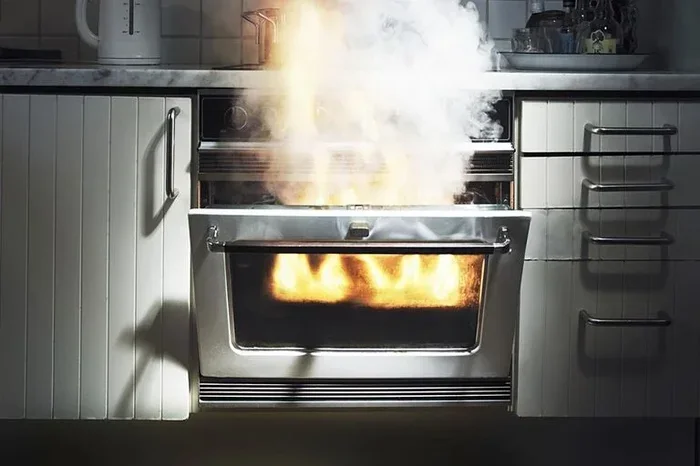
Understanding how a grease fire starts helps you respond better when one happens. A grease fire in the oven usually begins with cooking oil or fat that overheats beyond its smoke point. Once the oil reaches its flash point, it can ignite spontaneously. This is especially common when you are broiling or roasting fatty foods at high temperatures.
Grease fires are different from regular fires. They involve flammable liquids, which means they behave unpredictably. A small grease spill on the oven floor can turn into a full-blown oven fire within seconds. The flames can spread to the racks, the walls of the oven, and even to the surrounding countertop if the door is open.
The Science Behind Grease Fires
Here is what happens at a chemical level. When cooking oil heats up, it starts to break down. First, it smokes. Then it reaches its flash point, which is the temperature at which the vapors can ignite. For most cooking oils, this is between 600 and 700 degrees Fahrenheit. Once the oil catches fire, it burns intensely and produces thick black smoke. The fire feeds on the grease itself, so as long as fuel is available, it keeps burning.
This is why a grease fire in the oven is so dangerous. The enclosed space of the oven traps heat and smoke. The temperature inside can rise rapidly. And if the fire spreads beyond the oven cavity, it can set fire to nearby cabinets, curtains, or paper towels. Understanding this process is the first step in grease fire safety.
Why Water Is The Worst Thing You Can Use On A Grease Fire
This cannot be stressed enough. Do not throw water on a grease fire. Ever. Water and burning oil do not mix. When water hits hot grease, it instantly turns to steam. This causes a violent explosion of superheated oil droplets flying everywhere. This is called a grease splatter event, and it can cause severe burns and spread the fire rapidly.
Even a small splash of water inside a hot oven can trigger a dangerous flare-up. The steam expands instantly and pushes burning oil outward. This is how a manageable fire in oven situation can turn into a full kitchen fire in less than a second.
Other Things You Should Never Use
Water is the biggest mistake, but it is not the only one. Here are other common errors people make when trying to deal with a grease fire in the oven:
- Wet towels or cloths: Any moisture near a grease fire creates the same dangerous steam explosion risk.
- Fanning or blowing on the fire: This adds oxygen and feeds the flames, making the oven fire grow bigger.
- Moving the burning pan outside: You risk spilling burning grease on yourself or spreading the fire to other parts of the house.
- Using flour or baking powder: These can actually explode in the heat. Only use plain baking soda, which is different.
- Opening the oven door wide: This floods the fire with oxygen and can cause a sudden burst of flames.
These mistakes are how minor cooking fire safety situations turn into major emergencies. Always remember the golden rule: keep moisture away from grease fires.
Step By Step Guide To Putting Out A Grease Fire In The Oven
When you discover a grease fire in the oven, your response needs to be fast but calm. Panic leads to bad decisions. Follow these steps carefully to safely extinguish the flames.
Step 1: Turn Off The Oven
The very first thing you should do is turn off the oven. This cuts off the heat source and stops the fire from getting more fuel. Do not unplug the oven unless you can do so safely without reaching over the flames. Simply switch the oven dial to off or press the stop button on the control panel.
Step 2: Keep The Oven Door Closed
This is critical. Resist the urge to open the door and look inside. The oven door acts as a barrier that limits the oxygen supply to the fire. When you open the door, you give the flames access to fresh air, which can cause a sudden and dangerous flare-up. Keep the door closed and let the fire begin to suffocate.
Step 3: Check The Temperature
If your oven has a temperature display, monitor it. A grease fire in the oven will cause the internal temperature to spike. If the temperature continues to rise even after turning off the oven, the fire is still actively burning. This tells you that you need additional measures beyond just cutting off the heat.
Step 4: Use Baking Soda For Small Fires
If the fire is small and contained, baking soda can be your best friend. Baking soda releases carbon dioxide when it comes into contact with high heat. This smothers the fire by cutting off its oxygen supply. Pour a generous amount of baking soda directly into the fire if you can do so safely. Do not use baking powder, as it behaves differently and can actually make things worse.
Step 5: Use A Fire Extinguisher If Needed
If the fire is too large for baking soda, reach for a Class B or Class K fire extinguisher. These are specifically designed for grease and oil fires. Stand a safe distance away and aim the extinguisher at the base of the fire, not the flames. Squeeze the handle and sweep from side to side. A proper fire extinguisher can put out a grease fire in the oven quickly and effectively.
Step 6: Turn Off The Smoke Alarm And Ventilate
Once the fire is out, the smoke will linger. Turn on your range hood fan or open windows to clear the smoke. Your smoke alarm may be going off loudly. Do not disable it permanently. Instead, ventilate the area and reset the alarm once the smoke clears. Working smoke alarms are essential for fire safety at home.
Best Methods To Extinguish A Grease Fire In The Oven
Not all grease fires are the same. The method you choose depends on the size and severity of the fire. Here is a closer look at the most effective ways to handle a grease fire in the oven.
Method 1: The Smothering Technique
Smothering is the simplest and most accessible method. By cutting off the oxygen supply, you starve the fire of what it needs to burn. Keeping the oven door closed is the easiest form of smothering. For fires that have spread slightly outside the oven, a metal lid or baking sheet placed over the source can also work. Never use a glass lid, as it can shatter from the heat.
Method 2: Baking Soda For Small Fires
Baking soda is a household staple that doubles as a fire suppression agent for small grease fires. It works by releasing carbon dioxide, which displaces the oxygen around the flames. Keep a large box of baking soda in or near your kitchen at all times. It is inexpensive, non-toxic, and highly effective for small flare-ups.
Method 3: Using A Fire Extinguisher
A fire extinguisher is the most powerful tool in your arsenal against a grease fire in the oven. The best type for kitchen fires is a Class K extinguisher, which is specifically designed for cooking oils and fats. Class B extinguishers also work well for flammable liquid fires. Make sure everyone in your household knows where the fire extinguisher is stored and how to use it.
Method 4: Fire Blanket
A fire blanket is an often-overlooked tool that can be incredibly effective. You can wrap the burning pan or cover the oven opening with a fire blanket to smother the flames. Fire blankets are reusable, compact, and easy to store. They are a great addition to any kitchen safety tips checklist.
| Method | Best For | Effectiveness | Safety Level |
|---|---|---|---|
| Keeping Door Closed | Small contained fires | High | Very Safe |
| Baking Soda | Small flare-ups | Moderate to High | Safe |
| Fire Extinguisher | Medium to large fires | Very High | Safe when used correctly |
| Fire Blanket | Small to medium fires | High | Very Safe |
| Water | NEVER USE | Dangerous | Very Unsafe |
Prevention Tips To Keep Your Oven Fire-Free
The best way to deal with a grease fire in the oven is to never have one in the first place. Prevention is simple but requires consistent habits. Here are the most effective ways to reduce your risk of an oven fire.
Clean Your Oven Regularly
Grease buildup inside the oven is the number one cause of oven fires. Over time, drippings from roasts, bacon, and baked goods accumulate on the oven floor and walls. This grease residue can ignite when exposed to high heat. Make it a habit to clean your oven at least once a month. Pay special attention to the bottom of the oven and around the heating elements.
Use A Baking Sheet Or Roasting Pan
When roasting or broiling fatty foods, always use a baking sheet or roasting pan to catch drippings. This prevents grease from spilling directly onto the oven floor. A simple piece of aluminum foil lined on the bottom rack can also help catch grease spills and make cleanup easier.
Never Leave The Oven Unattended
One of the biggest causes of oven fires is leaving the oven running unattended. If you are broiling at high heat or roasting something fatty, stay in the kitchen. Set a timer on your phone if you need to step away briefly. Unattended cooking is the leading cause of all kitchen fires.
Monitor Oil And Fat Temperatures
Every cooking oil has a smoke point and a flash point. When oil exceeds its smoke point, it begins to break down and produce harmful smoke. When it reaches the flash point, it can ignite. Use a cooking thermometer to monitor oil temperatures, especially when frying or roasting at high heat. Preventing overheating oil is one of the best oven fire prevention strategies.
Keep Flammable Items Away From The Oven
Ovens generate a lot of heat. Keep towels, paper products, wooden utensils, and plastic containers well away from the oven. Even a hot oven door can be enough to ignite items placed too close. A clear, clutter-free area around your oven is a simple but powerful kitchen safety tip.
Install And Maintain Smoke Alarms
A working smoke alarm is your first line of defense against any kitchen fire. Install smoke alarms near the kitchen and in every bedroom. Test them monthly and replace the batteries at least once a year. A functioning smoke alarm gives you the early warning you need to respond before a small grease fire becomes a major disaster.
When To Call For Help And What To Do Afterward
Even with the best response, some fires get out of hand. Knowing when to call for professional help is just as important as knowing how to put out the fire yourself.
Call Emergency Services If
- The fire does not go out within a few seconds of your intervention.
- The flames spread beyond the oven cavity.
- Smoke fills the kitchen and you cannot see clearly.
- You smell gas or notice any electrical issues.
- The fire reignites after you think it is out.
Never hesitate to call emergency services if you feel unsafe. It is always better to have firefighters arrive and find a small fire than to wait too long and face a major house fire. Your safety and the safety of your family come first.
After The Fire Is Out
Once the grease fire in the oven is completely out, do not open the oven door for at least 15 to 20 minutes. Let the oven cool down on its own. Opening the door too early can reintroduce oxygen and cause reignition. After cooling, inspect the inside of the oven for any remaining grease or debris that could cause another fire.
If the fire caused any damage to the oven interior, have it professionally inspected before using it again. Burn treatment should also be a priority if you or anyone in your household sustained injuries. Run cool water over any burns for at least 10 minutes and seek medical attention for serious burns.
When To Replace Your Oven
In some cases, a grease fire in the oven can cause internal damage that is not immediately visible. If the fire was large or lasted for more than a few minutes, consider having a professional appliance technician inspect the oven. Electrical components, wiring, and insulation may have been compromised. Using a damaged oven poses a continued fire risk and should be avoided.
Common Mistakes People Make During A Grease Fire
Learning what not to do is just as important as learning what to do. Here are the most common mistakes people make when facing a grease fire in the oven.
- Opening the oven door to check: This feeds oxygen to the fire and can cause a sudden burst of flames.
- Using water to extinguish the fire: This causes a violent steam explosion and spreads burning oil everywhere.
- Moving the oven racks: Disturbing the fire while it is burning can cause grease splatter and burns.
- Using the wrong type of extinguisher: A Class A extinguisher is not effective on grease fires. Always use Class B or Class K.
- Ignoring small fires: A small grease spill that seems harmless can grow into a full oven fire within minutes.
Avoiding these mistakes can mean the difference between a minor scare and a catastrophic kitchen fire. Share these grease fire safety tips with everyone in your household so they are prepared too.
Expert Insights On Kitchen Fire Safety
Fire safety experts agree that preparation is the key to surviving a kitchen fire. The National Fire Protection Association reports that cooking is the leading cause of home fires and home fire injuries. Grease fires account for a significant portion of these incidents every year.
Experts recommend keeping a fire extinguisher in or near the kitchen at all times. They also stress the importance of having an escape plan in case a fire spreads beyond the kitchen. Teaching children about fire safety at home from an early age can also make a huge difference in how everyone responds during an emergency.
Professional firefighters often remind people that the best tool against any fire is prevention. Regular oven cleaning, careful monitoring of cooking temperatures, and keeping flammable materials away from heat sources are the foundations of effective oven fire prevention. A few simple habits can protect your home and your family for years to come.
Quick Tips For Grease Fire Readiness
- Keep a box of baking soda within arm’s reach of the oven at all times.
- Store a fire extinguisher in the kitchen and check its expiration date yearly.
- Post emergency numbers on the refrigerator or save them in your phone.
- Teach every family member how to operate the fire extinguisher using the P.A.S.S. method (Pull, Aim, Squeeze, Sweep).
- Never store flammable items on or near the oven.
- Test your smoke alarm every month and replace batteries twice a year.
- Keep a fire blanket in a visible, accessible location in the kitchen.
These small steps take minimal effort but can have a massive impact when a grease fire in oven situation arises. Being prepared is not paranoia. It is smart living.
Conclusion
Dealing with a grease fire in the oven is terrifying, but knowing what to do can change everything. The most important things to remember are to never use water, keep the oven door closed, turn off the heat, and use baking soda or a fire extinguisher to smother the flames. These simple actions can stop a dangerous fire in oven situation before it escalates.
Prevention is always better than reaction. Regular oven cleaning, careful temperature monitoring, and keeping the right safety tools on hand will dramatically reduce your risk. Share these grease fire safety practices with your family and friends. The more people who know how to respond, the safer every kitchen becomes.
Take a few minutes today to check your fire extinguisher, test your smoke alarm, and make sure everyone in your home knows the steps outlined in this guide. Being prepared is the best gift you can give to the people you love. Stay safe, stay informed, and never underestimate the power of a little preparation when it comes to kitchen fire safety.
Frequently Asked Questions
Can a grease fire in the oven explode?
Yes, if water or the wrong extinguishing method is used, a grease fire can cause a violent explosion of burning oil. This is why it is critical to never use water and to follow the correct steps for smothering the fire safely.
How long does it take for a grease fire in the oven to go out?
A small grease fire can be extinguished within seconds using baking soda or by keeping the oven door closed. Larger fires may take longer and require a fire extinguisher. If the fire does not go out within a few seconds, evacuate and call emergency services immediately.
Is it safe to use the oven again after a grease fire?
It depends on the severity of the fire. For small fires that were quickly extinguished, the oven may be fine after a thorough cleaning. For larger fires, have a professional inspect the oven for internal damage before using it again.
What type of fire extinguisher is best for a grease fire in the oven?
A Class K fire extinguisher is the best choice for kitchen grease fires. Class B extinguishers also work effectively on flammable liquid fires like grease. Never use a Class A extinguisher, which is designed for ordinary combustibles like paper and wood.
Can grease splatter cause burns during a grease fire?
Yes, grease splatter is one of the most common causes of burns during a kitchen fire. Always keep a safe distance and never try to move a burning pan or open the oven door quickly. If burns occur, run cool water over the affected area for at least 10 minutes and seek medical attention.
How can I prevent a grease fire in the oven from starting?
Regular oven cleaning to remove grease buildup, using baking sheets to catch drippings, never leaving the oven unattended during high-heat cooking, and monitoring oil temperatures are the best ways to prevent a grease fire in the oven. Keeping flammable items away from the oven and maintaining working smoke alarms also help significantly.