How To Cook Barbecue Spare Ribs In The Oven Perfectly
Cooking barbecue spare ribs in the oven is easier than you think. This guide shows you how to make fall-off-the-bone ribs with a rich, smoky flavor right in your kitchen. You will learn how to pick the best ribs, apply the perfect rub, and bake them at the right temperature for amazing results.
There is nothing quite like pulling a rack of ribs out of the oven and watching the meat pull away from the bone on its own. How to cook barbecue spare ribs in the oven is a question many home cooks ask, and the answer is simpler than you might expect. With the right temperature, the right time, and a little patience, you can make restaurant-quality ribs without ever firing up a grill. This guide walks you through every single step so you get perfect results every time.
Oven-baked ribs are a game-changer for anyone who loves barbecue but does not have a smoker or outdoor grill. Your kitchen becomes a barbecue pit when you follow a few simple techniques. Low and slow cooking is the backbone of great ribs, and your oven handles this beautifully. Whether you are feeding a crowd or just cooking for your family, this method delivers consistent, mouthwatering results.
Key Takeaways
- Low and slow cooking: Baking ribs at 275°F gives you tender, juicy meat that pulls right off the bone.
- Remove the membrane: Peeling the thin membrane from the back of the rib rack is the secret to tender ribs.
- Use foil wrapping: Wrapping ribs in foil during baking locks in moisture and speeds up the cooking process.
- homemade BBQ sauce matters: A good sauce made with tomato, brown sugar, and vinegar takes your ribs to the next level.
- Resting is essential: Letting ribs rest for 10 minutes after baking keeps the juices inside the meat.
- Internal temperature matters: Ribs are done when they reach 195°F to 203°F internally for the best texture.
- Leftovers taste even better: Stored properly, oven-baked ribs stay delicious for up to four days in the fridge.
📑 Table of Contents
- Why Oven-Baked Ribs Are Worth Trying
- Choosing the Right Ribs
- Preparing Your Ribs for the Oven
- The Best Oven Temperature and Timing
- Making Your Own BBQ Sauce
- Serving and Storing Your Ribs
- Common Mistakes to Avoid
- Quick Tips for Perfect Ribs Every Time
- Expert Insights on Oven Barbecue Ribs
- Key Takeaways
- Frequently Asked Questions
- Conclusion
Why Oven-Baked Ribs Are Worth Trying
Many people think ribs need a smoker to taste great. That is simply not true. Oven-baked ribs can be just as tender and flavorful as anything cooked outdoors. The oven gives you control over temperature and timing, which is exactly what you need for perfect barbecue ribs.
Convenience and Consistency
When you cook ribs in the oven, you do not have to worry about wind, rain, or fluctuating outdoor temperatures. Your oven maintains a steady heat, which means your pork spare ribs cook evenly every single time. You also do not need any special equipment beyond a baking sheet and some aluminum foil.
Another big advantage is timing. A whole rack of ribs takes about three to four hours in a low-temperature oven. You can prep them in the morning, pop them in the oven, and come back to a fully cooked, smoky feast by dinner time. The house smells incredible the entire time.
No Special Equipment Needed
You do not need a smoker, a charcoal grill, or a fancy pellet grill. A standard home oven works perfectly for baking ribs. All you need is a rimmed baking sheet, some foil, and your favorite rib rub ingredients. This makes oven ribs one of the most accessible barbecue dishes you can make at home.
Choosing the Right Ribs
Not all ribs are created equal. The type of ribs you buy makes a big difference in the final result. Barbecue spare ribs are the most popular choice for oven baking, but understanding the options helps you pick the best ones.
Spare Ribs vs. Baby Back Ribs
Spare ribs come from the belly area of the pig. They are fattier and meatier, which makes them ideal for slow oven cooking. The extra fat keeps the ribs juicy during the long baking process. Pork spare ribs are the go-to choice for most barbecue lovers because of their rich flavor and tender texture.
Baby back ribs come from the top of the rib cage near the spine. They are leaner and slightly more tender than spare ribs. Baby backs cook a bit faster in the oven, but spare ribs have that classic barbecue chew and flavor that many people prefer.
What to Look for at the Store
When you are shopping for ribs, look for a few key things. The meat should be pink and moist, not gray or dry. There should be a good layer of fat on top, which will melt during baking and keep the ribs succulent. Check the label to make sure you are getting pork spare ribs and not a pre-seasoned or pre-cooked product.
Buying ribs from a butcher is always a great option. Butchers often cut better-quality racks, and you can ask them to remove the membrane for you if you are not comfortable doing it yourself. A good rack of ribs should have between eight and thirteen bones.
Preparing Your Ribs for the Oven
Preparation is where the magic really begins. Taking the time to prep your ribs properly sets you up for success. Skipping this step is one of the most common mistakes home cooks make.
Removing the Membrane
The membrane is a thin, translucent layer on the back of the rib rack. It is also called the silverskin. You need to remove it before baking. The membrane does not break down during cooking, and it creates a tough, chewy layer that nobody wants to bite into.
To remove it, flip the rib rack so the bone side faces up. Use a butter knife to gently lift one corner of the membrane. Once you have a grip, use a paper towel for better traction and pull the membrane off in one piece. It might take a little practice, but it is worth the effort every single time.
Applying the Rib Rub
A good rib rub is the foundation of flavorful oven baked ribs. You can buy pre-made rubs from the store, but making your own is incredibly easy and tastes so much better.
A simple rib rub mixture includes brown sugar, paprika, garlic powder, onion powder, black pepper, salt, and a pinch of cayenne pepper for heat. Mix all the dry ingredients together in a bowl. Then, generously coat both sides of the rib rack with the rub, pressing it into the meat with your hands.
For the best results, apply the rub at least one hour before cooking. Even better, wrap the rubbed ribs in plastic wrap and let them sit in the refrigerator overnight. This gives the flavors time to penetrate deep into the meat, making every bite packed with barbecue flavor.
Wrapping in Foil
Wrapping ribs in foil during baking is a technique that many pitmasters swear by. The foil creates a sealed environment that traps moisture and steam. This speeds up the cooking process and keeps the ribs incredibly tender.
After applying the rub, place the rib rack bone-side down on a large sheet of heavy-duty aluminum foil. Wrap it tightly, sealing the edges so no steam escapes. Some people add a small splash of apple cider vinegar or apple juice inside the foil packet for extra moisture and flavor.
The Best Oven Temperature and Timing
Getting the temperature right is the single most important factor in making great ribs. Low and slow is the golden rule of barbecue ribs recipe cooking. A low oven temperature breaks down the collagen in the meat slowly, resulting in ribs that are tender and juicy.
Recommended Temperature
Set your oven to 275°F for the best results. This low temperature allows the fat to render slowly and the meat to become fork-tender without drying out. Some recipes call for higher temperatures, but 275°F is the sweet spot for oven baked ribs that are worth every minute of waiting.
Preheating the oven is essential. Do not put the ribs in while the oven is still warming up. Wait until it reaches the target temperature before placing the ribs on the middle rack.
Cooking Time Guide
The cooking time depends on the size of the rib rack and your oven. Here is a general guide for pork spare ribs baked at 275°F:
- Spare ribs: 3 to 4 hours
- Baby back ribs: 2.5 to 3 hours
- St. Louis-style ribs: 3 to 3.5 hours
These times are approximate. The real indicator of doneness is the internal temperature and how the meat pulls back from the bones. Tender ribs are done when the internal temperature reaches 195°F to 203°F. Use a meat thermometer inserted into the thickest part of the meat, avoiding the bone.
The Twist Test
Another way to check if your ribs are done is the twist test. Pick up one end of the rack with tongs. If the meat starts to pull away from the bone and the rack bends and cracks slightly, your ribs are ready. The bones will stick out slightly as the meat contracts during cooking. This is a great visual cue that the collagen has broken down and the ribs are perfectly tender.
Making Your Own BBQ Sauce
While some people prefer their ribs naked or with just the rub, a great BBQ sauce takes barbecue spare ribs to the next level. Making your own sauce is simple and lets you control the sweetness, tang, and spice level.
Classic Sweet BBQ Sauce
A classic sweet BBQ sauce starts with ketchup or tomato sauce as the base. Add brown sugar or molasses for sweetness, apple cider vinegar for tang, Worcestershire sauce for depth, and a splash of mustard for a subtle kick. Garlic powder and onion powder round out the flavor profile.
Simmer the sauce on the stove for about ten minutes to let the flavors meld together. Let it cool slightly before brushing it onto your ribs. Apply the sauce in the last 20 to 30 minutes of baking so it caramelizes without burning.
Applying the Sauce
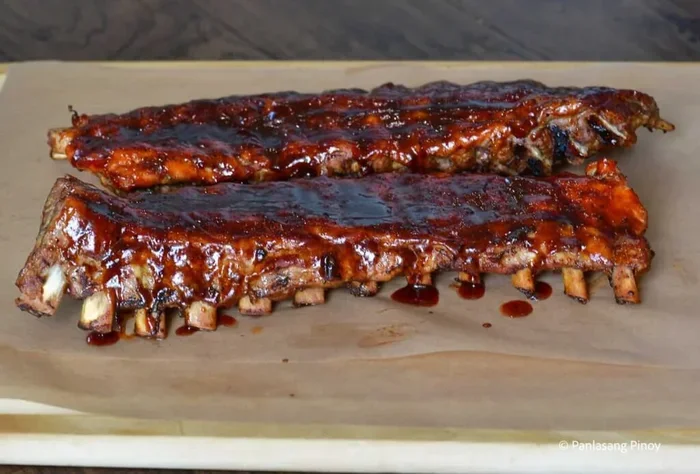
When the ribs are almost done, carefully unwrap the foil and open the oven. Brush a thin layer of homemade barbecue sauce over the top of the ribs. Place the ribs back in the oven uncovered for the final 20 to 30 minutes. This creates a sticky, glossy glaze that caramelizes beautifully.
You can also serve extra sauce on the side so everyone can add as much as they like. Some people prefer the pure taste of the rub without sauce, and that is perfectly fine too. The choice is yours.
Serving and Storing Your Ribs
Getting the ribs out of the oven is exciting, but how you serve and store them matters just as much as the cooking process.
How to Serve Oven-Baked Ribs
Let the ribs rest for at least 10 minutes after taking them out of the oven. This resting period allows the juices to redistribute throughout the meat, making every bite more flavorful. Use a sharp knife or kitchen scissors to cut between the bones and separate individual ribs.
Serve your oven baked ribs with classic barbecue sides like coleslaw, cornbread, baked beans, or potato salad. A drizzle of extra BBQ sauce on top adds a finishing touch that makes the plate look and taste amazing.
Storing Leftover Ribs
Leftover ribs are one of the best things about cooking a big batch. Let the ribs cool to room temperature, then store them in an airtight container in the refrigerator. Properly stored ribs stay fresh for up to four days.
To reheat, place the ribs in the oven at 250°F for about 15 to 20 minutes. This gently warms the meat without drying it out. Avoid microwaving if possible, as it can make the ribs tough and chewy. A quick dip in the leftover sauce before reheating also helps keep the ribs moist.
Common Mistakes to Avoid
Even experienced cooks can make mistakes when baking ribs. Knowing what to avoid saves time and frustration.
- Skipping the membrane removal: Leaving the membrane on leads to chewy, unpleasant ribs. Always remove it.
- Cooking at too high a temperature: High heat dries out the meat before the collagen has time to break down. Stick with low and slow.
- Opening the oven too often: Every time you open the oven door, heat escapes and cooking time increases. Trust the process and resist the urge to check too frequently.
- Adding sauce too early: Sauce contains sugar that burns easily. Apply it only in the last 20 to 30 minutes of baking.
- Not using a meat thermometer: Guessing doneness leads to overcooked or undercooked ribs. A thermometer takes the guesswork out completely.
Quick Tips for Perfect Ribs Every Time
- Use heavy-duty aluminum foil for wrapping, as regular foil tears easily during cooking.
- Let the ribs come to room temperature for 30 minutes before putting them in the oven.
- Place a baking sheet or drip pan on the rack below the ribs to catch any drips and make cleanup easier.
- Add a handful of wood chips to the foil packet for a subtle smoky flavor without a smoker.
- Brush the ribs with a light coat of honey or maple syrup during the last 10 minutes for a beautiful glaze.
- Rest the ribs after cooking. Patience is the secret ingredient in great barbecue.
Expert Insights on Oven Barbecue Ribs
Professional pitmasters agree that low and slow is the only way to cook ribs properly. The long baking time at a low temperature allows the connective tissue in the meat to dissolve into gelatin, which gives ribs that melt-in-your-mouth quality. This process cannot be rushed.
Many experts also recommend the 3-2-1 method for smokers, but for oven baking, the 3-2-1 method can be adapted. Bake the ribs wrapped in foil for three hours, then unwrap and bake for two more hours, and finally apply sauce and bake for one more hour. This method ensures perfectly tender ribs with a beautiful glaze.
Another expert tip is to use apple juice or apple cider vinegar in the foil packet. The acidity helps break down the meat fibers and adds a subtle tang that complements the smoky flavors of the rib rub. This small addition can elevate your ribs from good to absolutely outstanding.
Key Takeaways
- Low and slow cooking: Baking ribs at 275°F gives you tender, juicy meat that pulls right off the bone.
- Remove the membrane: Peeling the thin membrane from the back of the rib rack is the secret to tender ribs.
- Use foil wrapping: Wrapping ribs in foil during baking locks in moisture and speeds up the cooking process.
- homemade BBQ sauce matters: A good sauce made with tomato, brown sugar, and vinegar takes your ribs to the next level.
- Resting is essential: Letting ribs rest for 10 minutes after baking keeps the juices inside the meat.
- Internal temperature matters: Ribs are done when they reach 195°F to 203°F internally for the best texture.
- Leftovers taste even better: Stored properly, oven-baked ribs stay delicious for up to four days in the fridge.
Frequently Asked Questions
Can I cook ribs at a higher temperature to save time?
You can cook ribs at a higher temperature, but the results will be different. Higher temperatures like 350°F reduce cooking time to about two hours, but the meat may not be as tender. Low and slow at 275°F remains the best method for fall off the bone ribs. If you are short on time, consider using a pressure cooker instead.
Do I need to flip the ribs while they bake?
No, you do not need to flip the ribs if you wrap them in foil. The foil packet creates an even cooking environment on all sides. If you choose to bake ribs uncovered, you can flip them halfway through to ensure even browning. For most oven-baked rib recipes, flipping is not necessary.
What is the best wood chips to use for smoky flavor?
Hickory and applewood chips are the most popular choices for adding smoky flavor to oven baked ribs. Hickory provides a strong, classic barbecue taste, while applewood offers a milder, slightly sweet flavor. Soak the chips in water for 30 minutes before adding them to the foil packet for the best smoke flavor.
Can I use frozen ribs for this recipe?
It is best to thaw ribs completely before baking. Cooking frozen ribs in the oven leads to uneven cooking, with the outside overcooking while the center remains frozen. Thaw ribs in the refrigerator overnight for the safest and most even results. This also gives the rib rub time to penetrate the meat.
How do I know if my ribs are done without a thermometer?
The twist test is the best alternative to a thermometer. Hold one end of the rack with tongs and gently twist. If the meat begins to pull away from the bone and the rack bends easily, the ribs are done. You can also press the meat with your finger. If it feels tender and the meat has pulled back from the bone tips, your ribs are ready.
Can I make ribs on a gas oven?
Absolutely. Gas ovens work perfectly for baking ribs. The consistent heat from a gas flame provides even cooking similar to an electric oven. Just make sure to use an oven thermometer to verify the actual temperature inside, as some gas ovens run slightly hotter or cooler than the displayed setting.
Conclusion
How to cook barbecue spare ribs in the oven is a skill anyone can learn with a little practice and patience. The combination of a great rib rub, low oven temperature, and proper wrapping technique creates ribs that are tender, juicy, and full of barbecue flavor. You do not need a smoker or years of experience to achieve outstanding results in your own kitchen.
Start with quality pork spare ribs, remove the membrane, apply a generous coat of rub, and bake low and slow at 275°F. The waiting is the hardest part, but the aroma filling your home makes it all worthwhile. Finish with a brush of homemade barbecue sauce and let the ribs rest before serving.
Once you master this barbecue ribs recipe, you will never go back to overcooked, dry ribs again. Share them at family dinners, weekend gatherings, or enjoy them as a special weeknight treat. Oven baked ribs are one of the most satisfying dishes you can make, and now you have all the knowledge to do them perfectly every single time.