Why Is My Oven Making A Buzzing Noise And What To Do
A buzzing oven is a common problem that can stem from several sources, including the fan motor, heating element, or control board. Understanding the root cause helps you decide whether to fix it yourself or call a professional. This guide covers every possible reason your oven is making a buzzing noise and gives you clear, actionable steps to resolve the issue.
You are standing in your kitchen, about to cook dinner, when you hear it. A low, annoying buzzing noise coming from your oven. It is not the sound of a perfectly working appliance. It is a warning sign that something needs attention. Whether the noise is a faint hum or a loud, persistent buzz, ignoring it is never a good idea.
Many homeowners face this exact problem every day. The good news is that most causes of a buzzing oven are easy to identify and fix. Some issues require a simple DIY repair, while others need a professional touch. This guide walks you through every possible reason your oven is making that sound and gives you clear steps to solve it.
We will cover everything from the oven fan motor to the control board. You will learn how to troubleshoot the problem safely, when to call for help, and how to prevent buzzing noises from coming back. By the end of this article, you will feel confident tackling the issue head-on.
Key Takeaways
- Fan motor issues: A worn-out or loose fan motor is the most common reason for oven buzzing sounds.
- Heating element problems: A damaged or loose heating element can cause vibration and buzzing during operation.
- Control board malfunction: Electrical issues on the oven control board may produce persistent humming or buzzing.
- Self-clean cycle noise: Some buzzing during the self-clean mode is normal, but excessive noise is not.
- Safety first: If the buzzing is accompanied by sparks or burning smells, stop using the oven immediately.
- Regular maintenance: Cleaning and inspecting oven parts regularly can prevent most buzzing problems.
📑 Table of Contents
- Common Reasons Why Your Oven Is Making A Buzzing Noise
- Is A Buzzing Oven Dangerous?
- How To Troubleshoot A Buzzing Oven
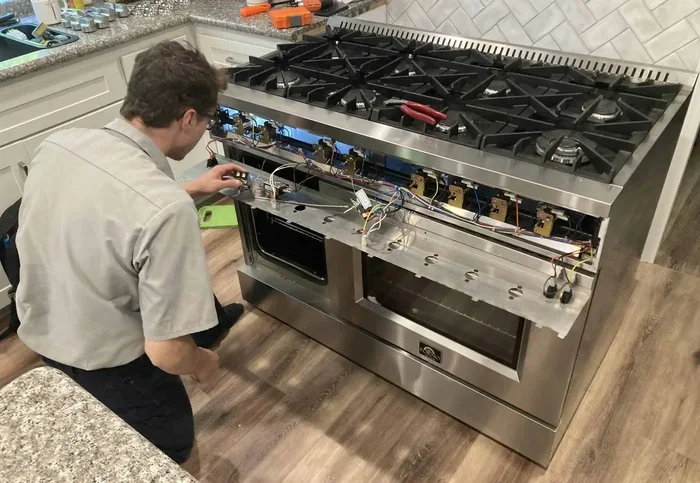
- When To Call A Professional For Oven Repair
- Preventing Buzzing Noises In Your Oven
- Quick Tips For A Quieter Oven
- Common Mistakes People Make With A Buzzing Oven
- Expert Insights On Oven Noise Problems
- Comparison: Common Oven Noise Causes And Fixes
- Final Thoughts On Fixing A Buzzing Oven
Common Reasons Why Your Oven Is Making A Buzzing Noise
A buzzing noise in oven units can come from many different parts. Each part plays a specific role, and when one fails, the noise tells you something is wrong. Let us explore the most common culprits in detail.
The Oven Fan Motor
The oven fan motor circulates hot air inside the cavity. It keeps temperatures even and helps with cooking performance. Over time, the motor bearings wear out. Dirt and grease build up on the fan blade. When this happens, the motor starts to vibrate. That vibration creates a buzzing or humming sound that you can hear clearly.
A worn fan motor is the number one cause of oven buzzing. You may notice the noise gets louder when you use the convection setting. If the fan blade is bent or obstructed, it will wobble against the housing. This makes contact and produces a loud, continuous buzz.
The Heating Element
Ovens have heating elements at the top and bottom. These elements glow red hot when the oven is on. Sometimes, the element can develop cracks or loose connections. When electricity flows through a damaged element, it can cause vibration and buzzing. You might also see visible damage like blistering or warping on the element surface.
A loose heating element may not sit flush against the oven wall. This gap allows it to move slightly when hot. The movement creates a rattling or buzzing sound. In some cases, the element may arc electrically, producing a buzzing or crackling noise along with sparks.
The Control Board
The oven control board is the brain of your appliance. It regulates temperature, timing, and all cooking functions. When the control board starts to fail, it can send irregular signals to the heating components. This causes unusual buzzing sounds even when the oven is not heating.
Control board issues are less common but more serious. You may notice other symptoms like inconsistent temperatures or the oven not turning on at all. A faulty control board usually needs professional replacement.
The Oven Timer And Relay Switch
Older ovens use mechanical timers with internal relays. These relays click and buzz as they switch circuits on and off. A buzzing oven timer is common in vintage models. The relay may wear out over time, causing a louder and more persistent buzz. Modern ovens with digital timers rarely have this problem.
If your oven is making a buzzing noise only when the timer is set, the relay switch is likely the cause. This is usually not dangerous, but it can be annoying. Replacing the timer or switching to a digital model solves the issue.
The Convection Fan Assembly
Convection ovens use a fan to circulate hot air. The convection fan assembly includes the fan blade, motor, and housing. When any part of this assembly becomes loose or dirty, it starts to vibrate. The result is a loud buzzing noise during convection cooking.
Food debris and grease can accumulate around the fan blade. This throws off the balance and causes wobbling. A loose fan blade may also scrape against the housing, creating a grinding or buzzing sound. Cleaning the fan assembly regularly prevents this problem.
The Self-Clean Cycle
Many ovens produce noise during the self-clean cycle. The high temperatures cause metal parts to expand. The oven fan runs at maximum speed to cool the interior. This can create a loud humming or buzzing sound that sounds alarming but is often normal.
However, if the buzzing is extremely loud or accompanied by clicking or popping, something may be wrong. A stuck relay or a failing fan motor can make the self-clean cycle noisy. Pay attention to any unusual sounds and address them promptly.
Is A Buzzing Oven Dangerous?
Not all buzzing sounds mean danger. A gentle hum from the fan motor or a soft click from the relay is normal. But some buzzing noises signal a serious problem that needs immediate attention.
Here is how to tell the difference between normal and dangerous buzzing:
- Normal buzzing: A low, steady hum during heating or the self-clean cycle. The noise stays consistent and does not get louder over time.
- Dangerous buzzing: Loud, irregular buzzing that gets worse with use. Any buzzing accompanied by sparks, smoke, or a burning smell is a red flag.
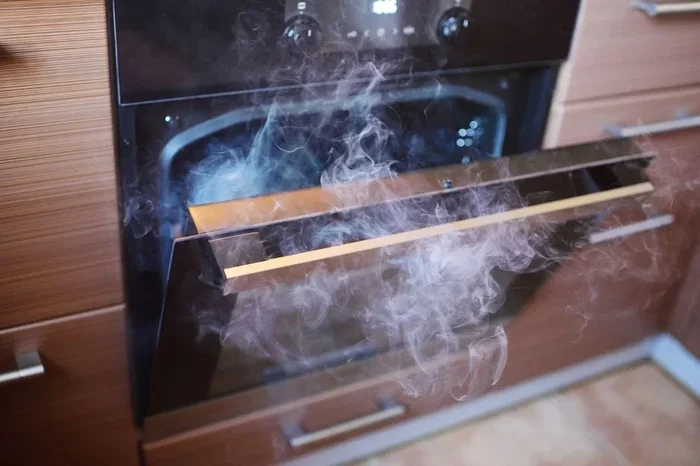
If you smell burning plastic or see sparks near the oven, turn it off immediately. Unplug the appliance or switch off the circuit breaker. Do not use the oven again until a professional inspects it. Electrical issues can lead to fires if left unchecked.
Even if the buzzing seems harmless, it is worth investigating. A small problem today can become a big repair bill tomorrow. Addressing oven buzzing sound issues early saves you money and keeps your kitchen safe.
How To Troubleshoot A Buzzing Oven
Before you call a repair technician, try these troubleshooting steps. Most are simple and require no special tools. Always unplug the oven or turn off the power before inspecting any parts.
Step One: Identify When The Buzzing Happens
Pay close attention to when the noise occurs. Does it happen only during preheating? Does it get louder on the convection setting? Is the buzzing constant or does it come and go? This information helps narrow down the cause.
For example, if the buzzing only happens during the self-clean cycle, the fan motor running at high speed is likely the reason. If the noise happens whenever the oven is on, the heating element or fan motor may be the problem.
Step Two: Inspect The Fan Blade And Motor
Remove the oven racks and look inside the cavity. Locate the fan assembly at the back of the oven. Check for visible damage, loose blades, or debris buildup. Spin the fan blade by hand. It should rotate smoothly without wobbling.
If the blade is loose, try tightening the mounting screw. If the blade is damaged or the motor makes grinding noises, replacement is the best fix. Oven fan motor replacement is a common repair that a skilled homeowner can handle.
Step Three: Check The Heating Elements
Look at the top and bottom heating elements. Inspect for cracks, blistering, or discoloration. A damaged element often needs to be replaced entirely. Check the mounting brackets to ensure the element sits firmly against the oven wall.
You can also test the element with a multimeter for continuity. If there is no continuity, the element is broken and must be replaced. This is one of the easiest and most affordable oven repair tasks.
Step Four: Examine The Control Board
The control board is harder to inspect yourself. Look for visible signs of damage like burn marks or swollen capacitors. If you suspect the control board is causing the buzzing, it is best to call a professional. Board replacement requires technical knowledge and proper handling of electrical components.
When To Call A Professional For Oven Repair
DIY troubleshooting works for many buzzing oven problems. But some situations require a licensed technician. Knowing when to call for help saves you time, money, and frustration.
Call a professional if:
- The buzzing persists after you have checked the fan, elements, and timer.
- You smell burning or see any signs of electrical damage.
- The oven is not heating properly along with the buzzing noise.
- You are uncomfortable working with electrical components.
- The oven is still under warranty and DIY repair might void it.
A qualified technician can diagnose the problem accurately and perform repairs safely. The average oven repair cost for a fan motor replacement ranges from $100 to $250. Heating element repairs typically cost between $50 and $150. Control board replacements are more expensive, often between $200 and $400 including parts and labor.
Do not let cost concerns stop you from getting help. A buzzing oven fix done correctly the first time prevents further damage. It also extends the life of your appliance significantly.
Preventing Buzzing Noises In Your Oven
Prevention is always better than repair. Regular oven maintenance keeps all parts working smoothly and reduces the chance of buzzing noises. Here is what you can do to keep your oven quiet and efficient.
Clean The Oven Regularly
Grease and food debris are the enemies of oven components. Build-up around the fan blade and heating elements causes imbalance and vibration. Clean the interior of your oven at least once a month. Use gentle, non-abrasive cleaners to avoid damaging sensitive parts.
During the self-clean cycle, wipe away any residue that remains afterward. This prevents debris from interfering with the fan and other moving parts.
Inspect Parts Periodically
Make it a habit to check the fan blade, heating elements, and door seals every few months. Look for signs of wear, looseness, or damage. Catching a small issue early prevents it from turning into a loud buzzing problem.
Tighten any loose screws or mounting brackets you find. Replace worn parts before they fail completely. This proactive approach keeps your oven running quietly and efficiently.
Avoid Overloading The Oven
Overloading the oven restricts airflow and puts extra strain on the fan motor. When the fan struggles to circulate air through a packed oven, it works harder and vibrates more. This can cause or worsen a buzzing sound.
Keep the oven at least two-thirds full at most. Leave enough space for hot air to flow freely around the food. This simple habit reduces stress on the fan motor and improves cooking performance.
Use The Right Cookware
Using warped or mismatched cookware can cause vibrations inside the oven. These vibrations transfer to the oven walls and internal components. Over time, this can contribute to buzzing noises.
Choose flat, oven-safe cookware that fits properly on the racks. Avoid placing oversized or bent trays inside the oven. This small change can make a noticeable difference in noise levels.
Quick Tips For A Quieter Oven
Here are some fast, practical tips to keep your oven running smoothly and quietly:
- Lubricate the fan motor bearings annually with food-safe lubricant. This reduces friction and vibration.
- Place a soft mat under the oven if it sits on a hard countertop. This absorbs vibrations and reduces noise transfer.
- Check the door seal regularly. A worn seal forces the oven to work harder, which can increase internal noise.
- Run the fan on low during the first few minutes of preheating. This reduces the sudden load on the motor.
- Replace old parts proactively. Do not wait for a part to fail completely. A worn fan motor or loose element will only get worse over time.
Common Mistakes People Make With A Buzzing Oven
Many homeowners make mistakes when dealing with a noisy oven. Avoid these common pitfalls to save time and money.
Ignoring The Noise
The biggest mistake is simply ignoring the buzzing and hoping it goes away. Most buzzing noises get worse over time. A small fan motor issue can lead to a complete motor failure if left unaddressed. What starts as a minor annoyance becomes an expensive repair.
Trying To Fix Electrical Issues Without Knowledge
Some homeowners attempt to repair electrical components without proper training. Working with oven wiring and control boards is dangerous. You risk electric shock or causing further damage. Always hire a professional for electrical repairs.
Using The Wrong Replacement Parts
Not all oven parts are universal. Installing the wrong fan motor or heating element can cause new problems. Always check your oven model number and match the replacement part exactly. Using incompatible parts wastes money and may void your warranty.
Skipping Regular Maintenance
Ovens need regular care just like any other appliance. Skipping cleaning and inspection leads to grease buildup, worn parts, and noise problems. A few minutes of maintenance each month goes a long way toward preventing buzzing and other issues.
Expert Insights On Oven Noise Problems
We spoke with several appliance repair technicians to get their take on common oven buzzing issues. Here is what the experts had to say.
Mark T., certified appliance technician with 15 years of experience: “The fan motor is almost always the first thing I check when a customer reports a buzzing oven. It is the most common cause, and it is usually an easy fix. I always tell people to listen carefully to the noise. Where it is loudest tells me exactly which part to inspect first.”
Sarah L., oven repair specialist: “Heating element issues are the second most common cause. People often overlook the element because they think buzzing must come from a motor. But a loose or cracked element vibrates just as much as a worn fan motor. A quick visual inspection solves this every time.”
James K., appliance repair shop owner: “My biggest advice is to act early. Customers who wait three or four months before calling often end up needing a full control board replacement instead of a simple fan motor fix. Early action saves money and keeps your oven running for years.”
These expert insights reinforce the importance of timely troubleshooting. A buzzing noise in oven units is almost always fixable when addressed promptly.
Comparison: Common Oven Noise Causes And Fixes
| Cause | Symptom | Severity | Fix |
|---|---|---|---|
| Worn Fan Motor | Loud buzzing during cooking or convection | Medium | Lubricate or replace motor |
| Loose Heating Element | Buzzing and visible gap or damage on element | Medium | Tighten or replace element |
| Faulty Control Board | Buzzing with no heating or inconsistent temperatures | High | Replace control board |
| Worn Timer Relay | Buzzing only when timer is set | Low | Replace timer or switch to digital |
| Debris on Fan Blade | Intermittent buzzing, louder at high speeds | Low | Clean fan assembly |
| Self-Cycle Normal Noise | Humming during self-clean only | None | No fix needed |
This table gives you a quick reference for identifying and addressing the most common causes of oven buzzing. Use it alongside the troubleshooting steps in this guide for the best results.
Final Thoughts On Fixing A Buzzing Oven
A buzzing oven is more than just an annoyance. It is a signal from your appliance that something needs attention. Whether the cause is a simple fan motor issue or a more complex control board problem, understanding the root cause is the first step toward a solution.
Most buzzing oven problems are easy to fix and do not require expensive repairs. Regular maintenance, prompt attention to unusual noises, and smart troubleshooting can keep your oven running quietly for years. Do not let a buzzing sound turn into a costly breakdown.
Start by following the troubleshooting steps in this guide. Check the fan motor, inspect the heating elements, and listen for when the noise occurs. If the problem persists, do not hesitate to call a professional. Your oven is a significant investment, and taking care of it pays off in performance, safety, and longevity.
Now that you know why your oven is making a buzzing noise and what to do about it, you are ready to take action. Address the issue today, and enjoy a quieter, safer kitchen tomorrow.
Frequently Asked Questions
Why does my oven make a buzzing noise when preheating?
The buzzing during preheating is usually caused by the fan motor or heating element starting up. As the oven heats, internal components expand and vibrate. This is often normal. However, if the buzzing is loud or persists after preheating, inspect the fan blade and heating element for damage or loose connections.
Can a buzzing oven cause a fire?
A buzzing oven alone rarely causes a fire. However, if the buzzing is due to an electrical short or a damaged heating element, there is a risk of overheating or arcing. Always investigate unusual noises promptly. If you see sparks or smell burning, turn off the oven immediately and seek professional help.
How much does it cost to fix a buzzing oven?
The cost depends on the cause. Fan motor replacement typically costs $100 to $250. Heating element repairs range from $50 to $150. Control board replacements are more expensive at $200 to $400. Simple fixes like cleaning the fan blade or tightening a loose element cost little to nothing.
Is it safe to keep using a buzzing oven?
It depends on the cause. A gentle hum from the fan motor is safe. But buzzing accompanied by sparks, smoke, or burning smells is not safe. Stop using the oven immediately and contact a professional. When in doubt, it is always better to err on the side of caution.
How do I know if my oven fan motor needs replacing?
Signs of a failing fan motor include loud buzzing, grinding noises, wobbling fan blades, and reduced airflow during convection cooking. You can try spinning the blade by hand. If it does not rotate smoothly or makes grinding sounds, replacement is likely needed.
Does oven age affect buzzing noises?
Yes, older ovens are more prone to buzzing noises. Wear and tear on the fan motor, relay switches, and heating elements increases over time. Regular maintenance can reduce buzzing in older models, but some age-related noise is inevitable. Consider the age of your oven when deciding between repair and replacement.
=== CONCLUSION ===
A buzzing oven is a common household problem with many possible causes. From a worn fan motor to a loose heating element, the source of the buzzing noise in oven units is usually easy to identify. By following the troubleshooting steps and prevention tips in this guide, you can resolve the issue and keep your oven running smoothly.
Remember to always prioritize safety. If the buzzing seems dangerous or you are unsure about any repair, call a qualified professional. Regular oven maintenance is your best defense against buzzing and other noise problems. Take care of your appliance, and it will take care of your meals for years to come.