How Many Tablespoons Of Coffee Per Cup Of Water Ratio
Getting the tablespoons of coffee per cup of water ratio right is the single most important step to brewing a great cup of coffee at home. The standard rule is about 2 tablespoons of ground coffee for every 6 ounces of water, but your perfect cup depends on your brew method, grind size, and personal taste. This guide breaks down every ratio, measurement trick, and brewing tip you need to make restaurant-quality coffee in your own kitchen.
This is a comprehensive guide about How Many Tablespoons Of Coffee Per Cup Of Water.
Key Takeaways
- The Golden Ratio: The standard recommendation is 2 tablespoons of coffee per 6-ounce cup of water for balanced flavor.
- Brew Method Matters: Different brewing methods like drip, French press, and pour-over require slightly different coffee-to-water ratios.
- Measurement Tools Count: Using a proper coffee scoop and kitchen scale ensures consistency and eliminates guesswork.
- Personal Taste Wins: The best ratio is the one that tastes best to you, so don’t be afraid to adjust up or down.
- Grind Size Affects Extraction: Finer grinds extract faster and may need slight adjustments in your coffee-to-water ratio.
- Freshness Is Key: Freshly ground beans paired with the right ratio deliver the best flavor and aroma.
[FEATURED_IMAGE_PLACEHOLDER]
Why The Right Coffee Ratio Makes All The Difference
Making great coffee at home starts with one simple thing: getting the ratio right. Too much coffee and your drink turns bitter and harsh. Too little and it tastes weak and watery. The tablespoons of coffee per cup of water ratio is the foundation of every good cup.
Think of it like baking a cake. If you add too much flour or too little sugar, the result is never right. Coffee brewing works the same way. The coffee to water ratio determines everything from flavor balance to aroma strength. Once you nail this ratio, you will never drink a bad cup again.
Most people guess when they measure their coffee. They eyeball a scoop or dump grounds in until the mug looks right. This is the number one mistake home brewers make. The good news is that learning the proper coffee brewing ratio takes just a few minutes. And once you do, every single cup you make will be consistent and delicious.
The ratio also changes depending on how you brew. A drip coffee ratio differs from a French press ratio. Espresso has its own rules too. We will cover all of these methods below so you can find your sweet spot.
The Standard Tablespoons Of Coffee Per Cup Of Water Rule
The most widely accepted standard in the coffee world is simple: 2 tablespoons of ground coffee for every 6 ounces of water. This is the golden coffee ratio recommended by the Specialty Coffee Association (SCA). It works as a reliable starting point for almost every brewing method.
But here is the thing most people get confused about. A standard coffee mug holds about 12 ounces. A regular cup is 6 ounces. So if you are brewing into a large mug, you need to double the amount. That means 4 tablespoons of coffee for a 12-ounce mug.
Let us break this down clearly:
- 1 cup (6 oz): 2 tablespoons of coffee
- 2 cups (12 oz): 4 tablespoons of coffee
- 4 cups (24 oz): 8 tablespoons of coffee
- 6 cups (36 oz): 12 tablespoons of coffee
This coffee water ratio chart gives you a solid baseline. From here, you can adjust based on your strength preference. If you like stronger coffee, add an extra half tablespoon per cup. If you prefer a lighter brew, use one and a half tablespoons instead of two.
Why 6 Ounces And Not 8 Ounces
This is a common point of confusion. When coffee makers say a cup, they mean 6 ounces. Not 8 ounces like a standard drinking mug. This is because the standard coffee cup measurement in the industry is 6 fluid ounces. Keep this in mind when you are measuring out your morning brew. Using 8 ounces as your base will give you weaker coffee than you expected.
How To Measure Coffee The Right Way
Measuring coffee properly is easier than most people think. You have two main options: a coffee scoop or a kitchen scale. Both work great, but they serve different needs.
Using A Coffee Scoop
A standard coffee scoop holds about 2 tablespoons of grounds. This is the perfect size for one 6-ounce cup. Simply level the scoop with a flat edge and drop the grounds into your filter or brewer. This method is fast, easy, and works perfectly for daily brewing.
Not all scoops are created equal though. Some scoops are slightly larger or smaller than 2 tablespoons. Check the size of your scoop before you rely on it. A good scoop makes the tablespoons of coffee per cup measurement effortless.
Using A Kitchen Scale
A kitchen scale is the most precise way to measure coffee. The SCA recommends about 55 grams of coffee per liter of water. For a single 6-ounce cup, that is roughly 10 to 11 grams of grounds.
Using a scale removes all guesswork. You get the same perfect cup every time. If you are serious about your morning brew, a small digital scale is a worthwhile investment. It takes the coffee measurement guide from approximate to exact.
Quick Tips For Accurate Measurement
- Always level your scoop with a straight edge
- Use the same scoop for consistency
- Weigh your grounds if you want perfect precision
- Store your coffee in an airtight container to keep it fresh
- Grind your beans just before brewing for the best flavor
Adjusting Your Coffee Ratio For Different Brew Methods
The standard 2 tablespoons per 6 ounces works for most methods. But each brewing technique has its own ideal coffee to water ratio. Here is how to adjust for the most popular methods.
Drip Coffee Ratio
Drip coffee makers are the most common brewing method in homes. The standard drip coffee ratio is 2 tablespoons per 6 ounces of water. This produces a clean, balanced cup that most people enjoy.
If your drip coffee maker has a 12-cup capacity, it is designed for 12 six-ounce cups. That means you need 24 tablespoons or 1.5 cups of coffee grounds total. This is a lot of coffee, and it is why a full pot from a standard machine tastes so good.
French Press Ratio
A French press uses a longer steeping time and a coarser grind. Because of this, the French press coffee ratio is slightly different. Use 2 tablespoons per 6 ounces of water, but let the coffee steep for 4 minutes before pressing.
Some French press fans prefer a slightly stronger ratio of 1 tablespoon per 4 ounces. This gives a richer, bolder cup. Experiment and see what you like best.
Pour-Over Ratio
Pour-over brewing gives you the most control over your cup. The ideal pour over coffee ratio is 1 to 2 tablespoons per 6 ounces of water. The slower extraction from pour-over methods pulls out more flavor from the grounds.
Use a gooseneck kettle for even pouring. The coffee flavor balance you get from a pour-over is hard to beat with any other method.
Cold Brew Ratio
Cold brew is completely different from hot brewing. The cold brew coffee ratio uses more coffee because the long steeping time (12 to 24 hours) extracts flavor slowly. Use 1 cup of coarsely ground coffee per 4 cups of cold water. This produces a concentrated brew that you can dilute with water or milk.
Espresso Ratio
Espresso is the most concentrated form of coffee. A single shot uses about 7 grams of finely ground coffee for 1 to 2 ounces of water. This is a very different coffee brewing ratio from drip or French press methods.
Common Mistakes People Make With Coffee Measurements
Even experienced coffee drinkers make measurement mistakes. Here are the most common ones and how to fix them.
Using The Wrong Scoop Size
This is the number one error. If your scoop holds 3 tablespoons instead of 2, you are making your coffee much stronger than intended. Always check your scoop size. A standard coffee scoop should hold exactly 2 tablespoons.
Not Accounting For Mug Size
Your coffee mug might hold 14 or 16 ounces. If you use the standard 2 tablespoons for that entire mug, your coffee will taste weak. Scale up your grounds to match your actual mug size.
Ignoring Grind Size
Grind size affects how much flavor gets extracted. A very fine grind extracts faster and can taste bitter. A coarse grind takes longer to extract and can taste weak. Adjust your coffee grounds per cup based on your grind size to maintain the right balance.
Using Stale Coffee Grounds
Even with the perfect ratio, stale beans produce flat, lifeless coffee. Always use fresh beans and grind them right before brewing. The coffee strength ratio means nothing if your beans have lost their freshness.
Expert Tips For The Perfect Cup Every Time
Beyond the ratio, a few extra steps can take your coffee from good to amazing. These are the tips that professional baristas use every day.
Start With Fresh, Quality Beans
The best tablespoons of coffee per cup of water ratio in the world cannot save stale or low-quality beans. Buy whole beans from a reputable roaster. Look for a roast date on the bag, and try to use the beans within two to four weeks of roasting.
Use Filtered Water
Coffee is 98 percent water. The quality of your water directly impacts the taste of your brew. Use filtered water for the cleanest, best-tasting cup. Avoid distilled water because it lacks the minerals that help extract coffee flavor.
Heat Your Water To The Right Temperature
The ideal brewing temperature is between 195 and 205 degrees Fahrenheit. Water that is too hot burns the grounds and creates bitterness. Water that is too cool under-extracts and makes weak coffee. If you do not have a thermometer, let boiling water sit for 30 seconds before pouring.
Clean Your Equipment Regularly
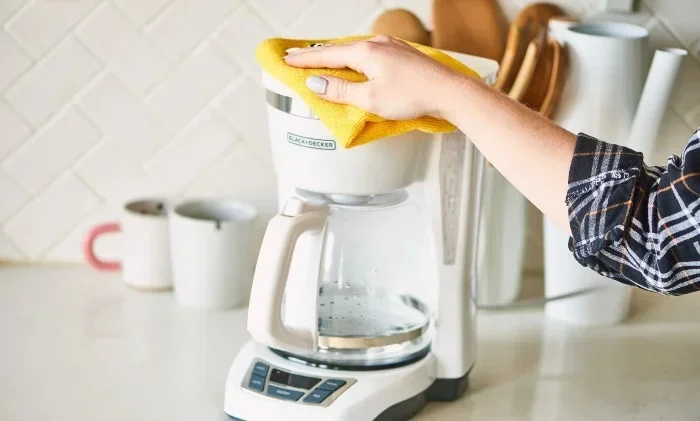
Old coffee oils build up in your grinder and brewer. These oils turn rancid and ruin the taste of fresh coffee. Clean your equipment at least once a week for the best results.
Pair Your Coffee With A Great Breakfast
A perfect cup of coffee deserves a great breakfast to go with it. Try pairing your morning brew with something from the kitchen. A warm grilled cheese made in the oven makes an amazing morning companion. Or for something sweet, try a quick microwave cake alongside your coffee for a satisfying start to the day. For a fun weekend treat, make homemade smores without an oven and pair them with a strong cup of black coffee for a nostalgic breakfast experience.
Finding Your Personal Perfect Ratio
The truth is that there is no single perfect ratio for everyone. The standard 2 tablespoons per 6 ounces is a great starting point. But your taste buds are unique. Some people like bold, strong coffee. Others prefer a lighter, more delicate flavor.
Here is a simple way to find your personal ratio. Start with the standard 2 tablespoons per cup. Brew a cup and taste it. If it is too strong, reduce by a quarter tablespoon next time. If it is too weak, add a quarter tablespoon. Keep adjusting until you hit your sweet spot.
This process of fine-tuning is part of the joy of making coffee at home. Within a few tries, you will know exactly how much coffee to use. The coffee to water ratio becomes second nature.
Remember that the ratio also changes with the season. In winter, many coffee lovers prefer a stronger, richer brew. In summer, a lighter ratio works well, especially for iced coffee. Do not be afraid to experiment and adjust throughout the year.
Conclusion
The tablespoons of coffee per cup of water ratio is the most important thing to get right when brewing coffee at home. The standard 2 tablespoons per 6 ounces gives you a balanced, great-tasting cup every time. From there, you can adjust up or down based on your brew method, grind size, and personal preference.
Use a proper scoop or a kitchen scale for accuracy. Measure your water carefully. And always start with fresh, quality beans. These simple steps transform your daily coffee routine from mediocre to memorable.
Once you understand the coffee brewing ratio, you will never need to settle for a bad cup again. The perfect coffee is waiting for you in your own kitchen. All you need is the right ratio and a little practice.
Frequently Asked Questions
How Many Tablespoons Of Coffee Should I Use Per Cup?
The standard recommendation is 2 tablespoons of ground coffee per 6-ounce cup of water. This is the golden coffee ratio used by most coffee experts and the Specialty Coffee Association. You can adjust this up or down based on how strong or mild you prefer your brew.
What Is The Best Coffee To Water Ratio For A Strong Cup?
For a stronger cup of coffee, use 2.5 tablespoons per 6 ounces of water instead of the standard 2 tablespoons. This increases the coffee strength ratio and gives you a bolder, more intense flavor. Just be careful not to go too far, or the coffee may turn bitter.
Does The Type Of Coffee Bean Affect The Ratio?
The ratio stays the same regardless of bean type, but the flavor outcome changes. Dark roast beans produce a bolder taste with the same ratio, while light roast beans taste more acidic and complex. You may want to adjust the coffee grounds per cup slightly depending on your roast preference.
Can I Use A Kitchen Scale Instead Of Tablespoons?
Yes, a kitchen scale is actually more accurate than using tablespoons. The coffee measurement guide from the SCA recommends about 55 grams of coffee per liter of water. For a single cup, this translates to roughly 10 to 11 grams of grounds. A scale removes all guesswork and ensures perfect consistency.
How Does Grind Size Affect The Coffee Ratio?
Finer grinds extract flavor faster and can taste stronger, so you might need to use slightly less. Coarser grinds extract more slowly and may need a bit more coffee to reach the same strength. Adjust your coffee to water ratio based on your grind size to maintain the best flavor balance.
Is The Ratio Different For Iced Coffee?
Yes, iced coffee usually requires a slightly stronger ratio because the ice dilutes the drink as it melts. Try using 2.5 tablespoons per 6 ounces of water, then let the coffee cool before adding ice. This ensures your iced coffee stays flavorful even as the ice melts and thins it out.