How To Brew Tim Hortons Coffee The Easy Way At Home
Brewing Tim Hortons coffee at home is easier than you think. With the right beans, water temperature, and coffee ratio, you can enjoy that famous Canadian coffee shop taste in your own kitchen. This guide walks you through every simple step to make Tim Hortons coffee just the way you love it.
There is something magical about a fresh cup of Tim Hortons coffee. Whether you are grabbing a quick cup on your way to work or sitting down with a friend, that familiar taste brings comfort like nothing else. But what if you could make that same rich, smooth coffee right in your own kitchen?
How To Brew Tim Hortons Coffee at home is simpler than most people think. You do not need fancy equipment or years of experience. With a few basic tools and the right technique, you can brew a cup that tastes remarkably close to your favorite coffee shop. In this guide, we will walk you through every step, from picking the right beans to pulling the perfect brew.
Thousands of people search for homemade Tim Hortons coffee every single day. They want to save money, skip the drive-thru line, and still enjoy that familiar flavor. This guide gives you everything you need to know. We will cover the beans, the equipment, the brewing process, and pro tips that make all the difference.
By the end of this article, you will feel confident enough to brew Tim Hortons style coffee every morning. You will understand what makes this coffee special and how to recreate it at home. Let us get started.
Key Takeaways
- Use medium roast beans: Tim Hortons coffee relies on a smooth, medium roast blend for its signature taste.
- Get the ratio right: A 1:15 to 1:17 coffee-to-water ratio delivers the perfect strength every time.
- Water temperature matters: Brew between 195°F and 205°F for the best extraction and flavor.
- Clean your equipment: Regular cleaning keeps your coffee tasting fresh and free from bitter residues.
- Pair with the right snacks: A warm pastry or biscuit completes the Tim Hortons experience at home.
- Consistency comes with practice: Small adjustments to grind size and brew time make a big difference.
📑 Table of Contents
- What Makes Tim Hortons Coffee So Special
- What You Need to Brew Tim Hortons Coffee at Home
- Step-by-Step Guide to Brew Tim Hortons Coffee
- Tips to Get the Perfect Tim Hortons Style Coffee
- Common Mistakes to Avoid When Brewing Coffee at Home
- Pairing Your Home-Brewed Coffee with Great Snacks
- How to Keep Your Coffee Fresh Throughout the Day
- Conclusion
What Makes Tim Hortons Coffee So Special
Tim Hortons has built a loyal following for good reason. Their coffee stands out in a crowded market. But what exactly makes it so beloved by millions? Let us break it down.
The Secret Behind the Flavor
Tim Hortons uses a carefully crafted blend of coffee beans. The blend is mostly medium roast, which strikes a balance between bold and smooth. The beans are roasted to bring out a mild sweetness with a hint of caramel. This creates a coffee that feels warm and comforting without being too bitter.
The roasting process is another key factor. Tim Hortons roasts their beans in large batches using commercial equipment. This gives the coffee a consistent flavor profile that people recognize instantly. At home, you can get close to this by buying quality medium roast beans from a reputable roaster.
Why People Love It
People love Tim Hortons coffee because it tastes familiar and reliable. Every cup feels the same, whether you are in Toronto or Vancouver. That consistency builds trust and loyalty. Plus, the coffee pairs perfectly with their baked goods and donuts, making it a complete experience.
The coffee also has a smooth, easy-drinking quality. It does not overwhelm your palate. This makes it a great everyday coffee that you can enjoy multiple times a day without getting tired of the taste. That is why so many people want to learn how to brew Tim Hortons coffee at home.
What You Need to Brew Tim Hortons Coffee at Home
Before you start brewing, you need the right tools and ingredients. The good news is that you probably already have most of what you need. Here is a simple list to get you started.
Choosing the Right Coffee Beans
The foundation of great coffee is the beans. For Tim Hortons style coffee, look for medium roast whole beans. Medium roast offers a balanced flavor with notes of chocolate, caramel, and a slight nuttiness. Avoid dark roasts, which can be too smoky and bitter.
Buy beans from a local roaster or a trusted brand. Freshly roasted beans make a huge difference in flavor. Try to use your beans within two to four weeks of the roast date. Store them in an airtight container away from direct sunlight.
Picking the Right Equipment
You do not need an expensive machine to brew great coffee. A standard drip coffee maker works perfectly for recreating Tim Hortons coffee at home. If you prefer a richer cup, a French press is also a great option.
Here are the most popular brewing methods people use:
- Drip coffee maker: The easiest and most common method. It produces a clean, consistent cup.
- French press: Creates a fuller body and richer flavor. Great for those who love a bolder cup.
- Pour over: Gives you more control over the brewing process. Ideal for coffee enthusiasts.
- Aeropress: A versatile and portable option that produces a smooth, clean cup.
Each method can produce excellent results. The key is finding the one that fits your routine and preferences.
Water Quality Matters
Coffee is about 98% water. So the quality of your water directly affects the taste of your brew. Use filtered water whenever possible. Tap water can contain chlorine and minerals that alter the flavor of your coffee.
Always start with cold, fresh water. Avoid using previously boiled water, as it loses oxygen and can make your coffee taste flat. Clean, fresh water helps bring out the best flavors in your coffee grounds.
Step-by-Step Guide to Brew Tim Hortons Coffee
Now that you have your beans and equipment ready, let us walk through the actual brewing process. Follow these steps carefully, and you will be sipping on a cup that tastes just like your favorite coffee shop.
Step 1: Measure Your Coffee
The right amount of coffee makes all the difference. For a standard 12-cup brew, use about 12 tablespoons of ground coffee. This gives you a brew strength that matches the classic Tim Hortons cup. If you prefer a milder taste, you can reduce the amount slightly.
For a single cup using a drip machine, use about 2 tablespoons of coffee per 6 ounces of water. This coffee ratio is the sweet spot for a balanced, flavorful cup. Measuring your coffee consistently helps you reproduce the same great taste every time.
Step 2: Heat the Water
If you are using a drip coffee maker, it will heat the water for you. But if you are using a French press or pour over, you need to heat the water separately. The ideal temperature for brewing coffee is between 195°F and 205°F.
Water that is too hot will over-extract the coffee, making it bitter. Water that is too cool will under-extract, resulting in a weak and sour cup. Use a kitchen thermometer to check the temperature if you are unsure. Getting this right is one of the most important coffee brewing tips you can follow.
Step 3: Grind Your Beans
Grind your beans just before brewing for the freshest possible cup. For a drip coffee maker, use a medium grind. It should look similar to coarse sand. For a French press, go with a coarse grind. For a pour over, a medium-fine grind works best.
The grind size affects how water interacts with the coffee. A too-fine grind can clog your filter and cause over-extraction. A too-coarse grind lets water pass through too quickly, leaving the coffee weak and underwhelming. Finding the right grind size for brewing takes a little trial and error, but it is worth the effort.
Step 4: Brew It Right
Start the brewing process and let the machine do its work. For a drip coffee maker, this usually takes about 5 to 8 minutes. If you are using a French press, let the coffee steep for about 4 minutes before pressing the plunger down slowly.
During brewing, the hot water extracts oils and flavors from the coffee grounds. This is called coffee extraction, and it is what creates the rich aroma and full flavor you love. A well-extracted cup has a balanced taste with no single flavor dominating the others.
Step 5: Serve and Enjoy
Once the brewing is complete, serve your coffee right away. Coffee starts to lose its flavor within 15 to 20 minutes of brewing. Do not let it sit on a hot plate for too long, as this can make it taste burnt and bitter.
If you like cream and sugar, add them to taste. Tim Hortons coffee is often enjoyed with a splash of cream or milk. Some people prefer it black to fully appreciate the natural flavor of the beans. Whatever your preference, enjoy your cup while it is hot and fresh.
Tips to Get the Perfect Tim Hortons Style Coffee
Getting great coffee at home takes a little know-how. These practical tips will help you dial in your brew and get closer to that authentic Tim Hortons taste.
Master the Coffee-to-Water Ratio
The ratio of coffee to water is the single most important factor in brewing great coffee. Too much coffee makes your cup harsh and overpowering. Too little coffee leaves it weak and watery. Stick to the 1:15 to 1:17 ratio for a balanced cup. That means 1 gram of coffee for every 15 to 17 grams of water.
Using a kitchen scale is the best way to measure accurately. Scoops can be inconsistent because the size of coffee grounds varies. A scale gives you precision and helps you reproduce the same great cup every single time.
Brew Temperature Tips
Temperature control is crucial for great coffee extraction. If your coffee maker does not have a temperature setting, boil your water and then let it sit for 30 to 45 seconds before pouring it over the grounds. This brings it down to the ideal brewing range.
Some higher-end coffee makers allow you to adjust the brew temperature. If you are serious about your coffee, consider investing in one. Even a small adjustment in temperature can dramatically change the flavor of your cup.
How to Get That Creamy Texture
One thing that sets Tim Hortons coffee apart is its creamy, smooth texture. To replicate this at home, use fresh whole milk or a creamer of your choice. Warmed milk froths better and mixes more smoothly into hot coffee.
For an extra-creamy cup, try adding a small splash of steamed milk. You can heat milk on the stove or use a milk frother. This simple addition transforms your home-brewed coffee and brings you one step closer to that coffee shop experience.
Quick Tips for Better Home Brewed Coffee
- Always use fresh, cold water for the best flavor.
- Clean your coffee maker regularly to prevent buildup.
- Store beans in an airtight container at room temperature.
- Grind beans just before brewing for maximum freshness.
- Experiment with different coffee-to-water ratios to find your perfect cup.
- Preheat your mug with hot water before pouring in the coffee.
Common Mistakes to Avoid When Brewing Coffee at Home
Even experienced coffee lovers make mistakes. Avoiding these common errors will help you brew better coffee every time.
Using the Wrong Grind Size
Using the wrong grind size is one of the most common coffee brewing mistakes. A grind that is too fine will slow down the water flow and cause over-extraction. This leads to a bitter, harsh cup. A grind that is too coarse lets water pass through too fast, resulting in a weak, sour taste.
Match your grind size to your brewing method. Drip makers work best with a medium grind. French presses need a coarse grind. Pour overs do well with a medium-fine grind. Take the time to get this right, and your coffee will improve noticeably.
Overheating Your Water
Boiling water is too hot for brewing coffee. Water at a full rolling boil (212°F) can scorch the coffee grounds and extract unpleasant flavors. Always let boiling water cool for 30 to 45 seconds before using it. The ideal range is 195°F to 205°F.
If you do not have a thermometer, simply let the water sit in the kettle after boiling. It is a small step that makes a big difference in the final taste of your cup.
Skipping the Cleaning
Your coffee maker needs regular cleaning just like any other kitchen appliance. Oil residue from coffee beans builds up inside the machine over time. This can make your coffee taste rancid or off-flavor.
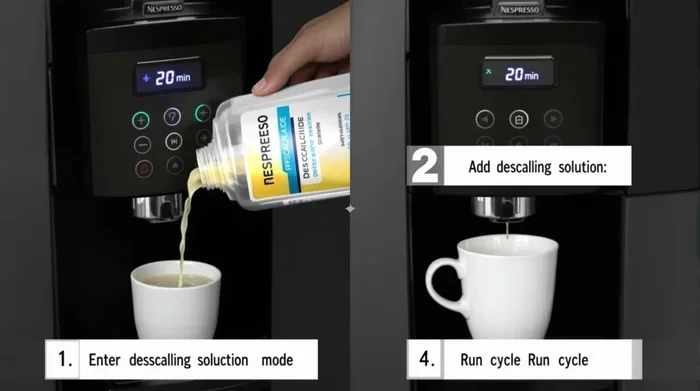
Run a cleaning cycle with white vinegar and water once a month. For a deeper clean, use a descaling solution designed for coffee makers. Keeping your equipment clean ensures that every cup tastes fresh and pure. If you are dealing with tough stains or buildup, check out our guide on how to clean oven with burnt food for tips on tackling tough kitchen residue.
Pairing Your Home-Brewed Coffee with Great Snacks
Part of what makes the Tim Hortons experience special is the food that comes with it. A warm pastry, a fresh donut, or a savory breakfast sandwich all pair beautifully with a hot cup of coffee. You can recreate this experience at home with a few simple additions.
Start your morning with a warm biscuit or a slice of toast with butter. The warmth of the food and the richness of the coffee create a comforting combination. If you have a sweet tooth, a homemade muffin or a cinnamon scroll pairs wonderfully with a bold cup of homemade Tim Hortons coffee.
For a savory option, try a simple egg and cheese sandwich. The protein and richness of the eggs complement the smooth, mellow flavor of the coffee. These pairings turn your morning routine into a mini coffee shop experience right in your own kitchen.
On weekends, you can even try making your own warm treats. A simple recipe for warming tortilla chips in the oven can make a great savory snack to enjoy alongside your coffee. Just pop them in the oven for a few minutes and serve with salsa or guacamole. Check out our guide on how to warm tortilla chips in oven for easy instructions.
Another fun idea is to bake a batch of homemade cookies or brownies. The aroma of fresh baked goods filling your kitchen while your coffee brews creates the perfect morning atmosphere. You can even try making s’mores at home without an oven for a fun and cozy treat. Our guide on how to make smores at home without oven shows you how to enjoy this classic treat any time of year.
For a heartier pairing, grilled cheese sandwiches are a timeless companion to a hot cup of coffee. The crispy, gooey combination is hard to beat. You can find simple instructions on how to make grilled cheese oven to whip up a delicious snack in minutes.
How to Keep Your Coffee Fresh Throughout the Day
Sometimes you brew a full pot but cannot finish it all at once. Keeping your coffee fresh for later takes a little care. Here is what you need to know.
Do not leave brewed coffee sitting on a hot plate for more than 20 minutes. The heat causes the coffee to degrade quickly, leading to a burnt and bitter taste. Instead, pour leftover coffee into a thermal carafe or an insulated mug. These containers keep your coffee hot for hours without affecting the flavor.
If you prefer iced coffee, let your brew cool to room temperature first. Then pour it over ice. Avoid putting hot coffee directly into the fridge, as it can raise the temperature and affect other foods. Cold brew concentrate is another great option for a smooth, refreshing drink that lasts all day.
Conclusion
How To Brew Tim Hortons Coffee at home is a rewarding and enjoyable process. With the right beans, the proper equipment, and a little practice, you can create a cup of coffee that rivals your favorite coffee shop. The key is to focus on quality beans, the right grind size, proper water temperature, and a consistent coffee-to-water ratio.
Remember that great coffee is about more than just following a recipe. It is about paying attention to the details and enjoying the process. Each cup you brew is an opportunity to refine your technique and discover new flavors. Do not be afraid to experiment and find what works best for your taste.
Start with the steps outlined in this guide and build from there. Soon, brewing Tim Hortons style coffee at home will become second nature. You will save money, reduce waste, and enjoy a fresher, more satisfying cup every single morning. So grab your favorite beans, fire up your coffee maker, and start brewing your perfect cup today.
Frequently Asked Questions
Can I use instant coffee to make Tim Hortons style coffee at home?
While instant coffee is convenient, it does not replicate the fresh flavor of brewed Tim Hortons coffee. For the best results, use freshly ground medium roast beans with a drip coffee maker or French press. Instant coffee can work in a pinch, but it lacks the depth and aroma of freshly brewed coffee.
What type of coffee beans does Tim Hortons use?
Tim Hortons uses a medium roast blend that is smooth and balanced. The beans are roasted to bring out notes of caramel and chocolate without being too bitter. At home, look for a medium roast blend from a reputable brand to get as close as possible to that signature taste.
How strong is Tim Hortons coffee compared to regular coffee?
Tim Hortons coffee has a medium brew strength that is smooth and easy to drink. It is not as strong as a dark roast but has more flavor than a light roast. The strength can be adjusted at home by changing the coffee-to-water ratio to match your personal preference.
Can I use a Keurig machine to brew Tim Hortons coffee?
Yes, you can use a Keurig machine with Tim Hortons K-Cup pods. While it does not give you the same control as grinding your own beans, it is a quick and convenient way to enjoy Tim Hortons coffee at home. For a richer cup, consider using a drip coffee maker or French press with freshly ground beans.
How can I make my home-brewed coffee taste creamier?
To get a creamier texture, use fresh whole milk and warm it slightly before adding it to your coffee. A splash of steamed milk or a creamy non-dairy creamer can also enhance the mouthfeel. Preheating your mug helps maintain the temperature and keeps the coffee tasting smooth longer.
How often should I clean my coffee maker?
You should clean your coffee maker at least once a month to prevent oil buildup and mineral deposits. Run a cycle with equal parts white vinegar and water, then follow with two to three cycles of clean water. Regular cleaning ensures your coffee extraction stays efficient and your coffee tastes fresh every time.