Delonghi Drip Coffee Maker How To Use A Quick Guide
Using a Delonghi drip coffee maker is easier than you think. This quick guide walks you through setup, brewing, programming, and cleaning so you can enjoy perfect coffee every morning. Whether you are a beginner or a seasoned coffee lover, these tips will help you get the most from your machine.
There is something magical about waking up to the rich aroma of freshly brewed coffee filling your kitchen. A Delonghi drip coffee maker makes that moment happen every single day with minimal effort. These machines are popular for a reason. They are reliable, affordable, and surprisingly easy to use once you know the basics.
Whether you just unboxed your new Delonghi drip coffee machine or you have had one sitting on your counter for a while, this guide covers everything you need. From the very first setup to brewing your perfect cup, we will walk through each step in plain language. No confusing jargon. No guesswork. Just clear instructions that actually work.
By the time you finish reading, you will know exactly how to set up your machine, brew great coffee, use the programmable features, and keep everything clean. Let us get started.
Key Takeaways
- Easy Setup: Unbox, fill the water reservoir, insert a filter, and add grounds to start brewing in minutes.
- Brew Strength Control: Adjust the strength setting to match your personal taste preference every time.
- Programmable Timer: Use the auto-on feature to wake up to fresh coffee without any extra effort.
- Regular Cleaning Matters: A simple daily rinse and monthly descale keep your machine running smoothly for years.
- Troubleshooting Is Simple: Most common issues like slow brewing or weird tastes have easy fixes at home.
- Use Fresh Grounds and Filtered Water: These two small changes make a huge difference in flavor.
📑 Table of Contents
Understanding Your Delonghi Drip Coffee Maker
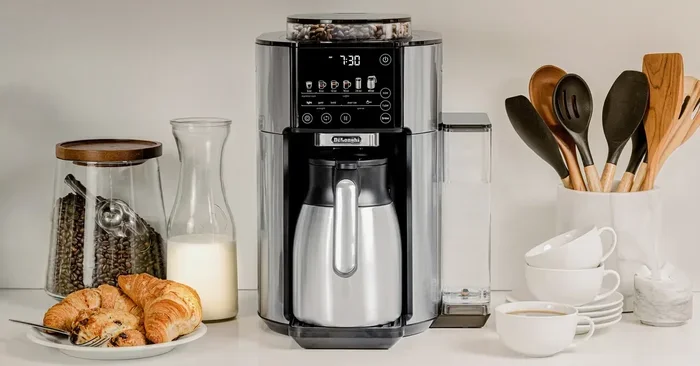
Before you brew your first cup, it helps to know what is inside the machine and what each part does. Delonghi drip coffee makers share a pretty standard design across most models. Once you recognize the main pieces, everything else falls into place quickly.
Key Parts and Components
Every drip coffee maker has a few essential parts you should familiarize yourself with. Here is a quick rundown of what you will find:
- Water Reservoir: This is where you pour the water before brewing. Most Delonghi models have a removable reservoir with measurement markings so you can gauge how much water you need.
- Filter Basket: This holds the coffee filter and grounds. It usually slides out from the front or top of the machine for easy filling.
- Carafe: The glass or thermal pot that catches the brewed coffee. Most Delonghi carafes sit on a warming plate to keep your coffee hot.
- Control Panel: This is where you set the brew strength, timer, and power. It is usually located on the front or side of the machine.
- Warming Plate: The flat surface beneath the carafe that keeps your coffee at the right temperature after brewing.
- Drip Tray: A removable tray at the bottom that catches any drips or overflow. It slides out for easy cleaning.
Take a moment to locate each of these parts on your specific model. Delonghi coffee maker designs are intuitive, so you will likely recognize most of them right away. If your model came with a printed manual, keep it handy for reference. But honestly, the basics are simple enough that you will not need it after the first few uses.
Step-by-Step Setup Guide
Setting up your Delonghi drip coffee maker for the first time is straightforward. You do not need any special tools or skills. Just follow these steps in order, and you will be ready to brew within about 15 minutes.
Unboxing and First-Time Preparation
Start by removing all packaging materials from the box. You will find the main machine, the carafe, the filter basket, and usually a measuring scoop. Take everything out and give the parts a quick rinse with warm water. This removes any dust or residue from shipping and storage.
Next, wash the carafe, filter basket, and drip tray with warm soapy water. Dry them thoroughly before placing them back into the machine. This first wash is important because it removes any manufacturing residue that could affect the taste of your coffee during those early brews.
Place the machine on a flat, dry surface near an electrical outlet. Make sure there is enough space behind the machine for ventilation. Drip coffee maker units need airflow to operate safely, so do not push it flush against the wall.
Filling the Water Reservoir
Remove the water reservoir by lifting it off the top or back of the machine. Fill it with fresh, cold water up to the line that matches the number of cups you want to brew. Delonghi machines typically have markings for 2, 4, 6, 8, 10, and 12 cups. Start with a smaller batch if you are just testing things out.
Use filtered water whenever possible. Tap water with heavy minerals can build up inside the machine faster and affect the taste of your coffee. This small change pays off over time, especially when it comes to maintenance.
Once filled, place the reservoir back onto the machine securely. Make sure it clicks or sits flush. An improperly seated reservoir can cause leaks or prevent the machine from starting.
Inserting the Filter and Adding Grounds
Open the filter basket compartment. Place a paper filter or a permanent mesh filter inside, depending on what your model uses. If you are using paper filters, make sure the ribbed side faces outward. This helps water flow evenly through the grounds.
Add your coffee grounds to the filter. A general rule of thumb is about two tablespoons of ground coffee per six ounces of water. The Delonghi drip coffee maker scoop that comes in the box is a helpful guide. You can adjust this ratio based on how strong you like your coffee.
Do not overfill the filter basket. Leave a small gap at the top so the water can circulate properly. Overfilling leads to uneven extraction and can cause overflow during brewing.
How To Brew Your First Cup
Now that everything is set up, it is time to brew. The process is simple, but a few small details can make a big difference in the final cup. Here is exactly what to do.
Choosing the Right Coffee Grounds
The type of coffee grounds you use matters more than most people realize. For a drip coffee maker, medium grind works best. It is not too fine and not too coarse. Fine grounds can clog the filter and slow down the brew. Coarse grounds may result in weak, under-extracted coffee.
Freshly ground coffee always tastes better than pre-ground. If you have a grinder at home, grind your beans just before brewing. The flavor difference is noticeable. If you use pre-ground coffee, store it in an airtight container away from light and heat to preserve freshness.
Experiment with different coffee brands and roast levels to find what suits your palate. Light roasts tend to be more acidic and fruity. Medium roasts offer a balanced flavor. Dark roasts bring bold, smoky notes. There is no wrong answer here. It is all about what you enjoy.
Setting the Brew Strength
Many Delonghi drip coffee machine models come with a brew strength control. This feature lets you choose between regular and strong brewing. The strength setting adjusts how long the water stays in contact with the coffee grounds.
For a milder cup, select the regular setting. If you prefer a bolder, more intense flavor, go with the strong setting. You can also experiment by adjusting the amount of grounds you use. More grounds plus a regular brew setting gives you a different kind of strength than less grounds with a strong setting.
Quick tip: start with the regular setting and the standard amount of grounds. Taste the result and adjust from there. Small changes add up over time, and soon you will know exactly what ratio produces your perfect cup.
Starting the Brew Cycle
Place the carafe on the warming plate and make sure the lid is closed. Press the power button or the brew button on the control panel. The machine will begin heating the water and dripping it through the grounds. The whole process usually takes between five and ten minutes depending on the brew size.
Do not remove the carafe while the machine is brewing. Most Delonghi models have a safety feature that pauses dripping when the carafe is lifted. But removing it mid-brew can cause a mess and affect the final taste. Let the machine finish its cycle naturally.
Once brewing is complete, the warming plate will keep the carafe warm. Most machines have an auto shutoff feature that turns off the warming plate after a set period, usually two hours. This is a safety feature that prevents overheating. You can also turn the machine off manually if you prefer.
Programming and Timer Features
One of the best features of a Delonghi drip coffee maker is the programmable timer. This lets you set the machine to start brewing automatically at a specific time. Imagine waking up to the smell of fresh coffee already waiting for you. It is a game changer for busy mornings.
Using the Auto-On Function
To set the timer, press the program or timer button on the control panel. You will typically need to set the current time first, then choose the time you want the machine to start brewing. The exact steps vary slightly by model, but the general process is the same across most Delonghi machines.
Make sure the water reservoir is filled and the filter basket has grounds before setting the timer. The machine will not brew without water or coffee, and running it empty can damage the heating element over time.
Here are a few tips for getting the most out of the timer feature:
- Set it the night before: Fill the reservoir and add grounds before bed. In the morning, your coffee is ready when you walk into the kitchen.
- Use fresh grounds: Pre-ground coffee can lose flavor overnight. If you want the best taste, consider using a grinder in the morning or using a filter with a sealed compartment.
- Check your model’s manual: Some Delonghi models allow you to set a brew strength along with the timer. This means you can wake up to strong coffee every single day without lifting a finger.
The programmable timer is especially useful if you have a family. Set the machine to brew a full carafe before everyone wakes up, and you will have fresh coffee ready for everyone. It is one of those features that makes the machine feel truly convenient.
Cleaning and Maintenance
Keeping your Delonghi drip coffee maker clean is one of the most important things you can do to extend its life and improve the taste of your coffee. A dirty machine can produce bitter, off-flavored coffee and can even harbor bacteria or mold over time. The good news is that cleaning does not take much time at all.
Daily Cleaning Routine
After each use, throw away the used coffee grounds and paper filter. Rinse the filter basket with warm water to remove any residue. Wipe down the outside of the machine with a damp cloth. Empty any remaining water from the reservoir if you are not planning to use the machine for an extended period.
Wash the carafe and lid with warm soapy water every day. Coffee oils build up on glass surfaces and can create a rancid taste if not cleaned regularly. A quick wash after each use prevents this buildup from becoming a problem.
Some people also like to clean the warming plate. Coffee spills can scorch onto the plate over time. A quick wipe after the plate cools down keeps it looking and functioning well. If you have stubborn burnt-on residue, a damp cloth with a bit of baking soda works wonders. For more tips on tackling tough kitchen messes, you might find this guide on cleaning burnt food from your oven helpful for general kitchen cleaning approaches.
Descaling Your Coffee Maker
Descaling is the process of removing mineral buildup from inside the machine. This buildup, also called limescale, comes from the minerals in tap water. Over time, it can slow down the brewing process and affect the taste of your coffee.
Delonghi recommends descaling every one to three months depending on how often you use the machine and the hardness of your water. You can use a commercial descaling solution or a simple mixture of white vinegar and water.
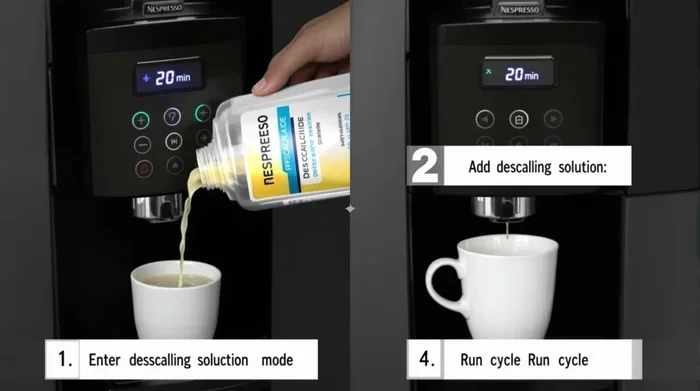
Here is how to descale your Delonghi drip coffee machine:
- Fill the water reservoir with equal parts white vinegar and water.
- Place an empty carafe on the warming plate.
- Run a full brew cycle without coffee grounds.
- Once the cycle is complete, discard the vinegar solution.
- Rinse the reservoir thoroughly with clean water.
- Run two to three more brew cycles with fresh water only to flush out any remaining vinegar taste.
If your machine has a built-in descale indicator light, pay attention to it. The light will remind you when it is time to descale. Ignoring it can lead to reduced performance and eventually damage to the heating element.
For a deeper clean of removable parts, you can also wash the filter basket and drip tray in warm soapy water once a week. If you want tips on maintaining other kitchen appliances, check out how to deep clean a Ninja Air Fryer Oven for a thorough appliance maintenance routine that applies to many kitchen devices.
Troubleshooting Common Issues
Even with proper care, you may run into occasional issues with your Delonghi drip coffee maker. Most problems are easy to fix without calling a technician. Here are some common issues and their solutions.
Machine does not turn on: Check that the power cord is securely plugged in. Make sure the carafe is seated properly on the warming plate. Many Delonghi models have a safety switch that prevents the machine from starting if the carafe is not in place. Also check your home circuit breaker in case of a tripped switch.
Coffee tastes weak or watery: This usually means the grounds are too coarse or there is too much water relative to coffee. Try using a finer grind or adding more grounds to the filter basket. Also make sure the brew strength setting is not set to a lighter option if you prefer a bold cup.
Coffee tastes bitter or burnt: Bitter coffee often results from grounds that are too fine or too much coffee in the filter. It can also happen if the warming plate has been on too long. Try reducing the amount of grounds and turning off the machine after pouring your cup instead of letting it sit on the warming plate.
Brewing is slow or dripping: Mineral buildup in the internal tubes is the most common cause. Run a descaling cycle to clear the blockage. Also check that the filter basket is not overfilled, as compacted grounds can restrict water flow.
Water leaks from the machine: This can happen if the reservoir is not seated properly or if there is a crack in the reservoir. Remove the reservoir and inspect it carefully. Make sure it clicks into place when reinstalled. If you notice cracks, you may need to contact Delonghi customer service for a replacement part.
Strange noises during brewing: Some noise is normal during the brewing process. However, loud gurgling or bubbling sounds can indicate air trapped in the tubes or a clogged water line. Running a rinse cycle with just water can usually clear this up.
Regular maintenance goes a long way toward preventing most of these issues. A clean machine brews better coffee and lasts longer. Think of it as an investment in your daily morning routine.
Pro Tips for the Best Coffee Experience
You now know the basics of using and maintaining your Delonghi drip coffee maker. Here are a few extra tips that will take your coffee game to the next level.
- Preheat the carafe: Before brewing, rinse the carafe with hot water. This keeps the coffee hotter for longer after brewing is complete.
- Store coffee properly: Keep your coffee beans or grounds in an airtight container at room temperature. Avoid storing them in the fridge, as moisture and odors can affect the flavor.
- Use the right water temperature: The Delonghi drip coffee maker heats water to the optimal brewing temperature automatically. You do not need to preheat the water. Just use cold, fresh water from the tap or filtered source.
- Replace filters regularly: If you use paper filters, replace them after every brew. If you use a permanent mesh filter, clean it thoroughly every week and replace it every few months when it starts to wear out.
- Experiment with ratios: The standard two tablespoons per six ounces is a starting point. Try adjusting the ratio by small amounts to find your sweet spot. Some coffee lovers prefer a stronger brew with more grounds, while others like it lighter.
- Clean the carafe lid: The lid of the carafe can trap coffee oils and residue. Remove it and wash it separately at least once a week for the best taste.
These small habits add up over time. A well-maintained machine with quality grounds and clean water produces coffee that tastes noticeably better than a neglected machine with stale grounds. The effort is minimal, but the results are worth it.
Final Thoughts
A Delonghi drip coffee maker is one of the most practical and reliable kitchen appliances you can own. It delivers consistent, great-tasting coffee with very little effort. From the initial setup to daily brewing and ongoing maintenance, the process is simple and straightforward.
Remember the key steps: fill the reservoir with fresh water, add the right amount of grounds to a clean filter, select your preferred brew strength, and let the machine do its work. Clean it regularly, descale when needed, and troubleshoot minor issues as they come up. Follow these habits and your coffee maker will serve you well for years.
The beauty of a drip coffee maker is in its simplicity. You do not need expensive beans or complicated techniques to enjoy a great cup of coffee. You just need a reliable machine, fresh grounds, and clean water. Your Delonghi drip coffee maker gives you all three, and that is exactly why it has remained a favorite among coffee lovers for so long.
Now that you know how to use it properly, go ahead and brew your first perfect cup. You deserve it.
Frequently Asked Questions
How long does it take to brew coffee with a Delonghi drip coffee maker?
A standard brew cycle takes about five to ten minutes depending on the size of the batch. Smaller batches brew faster, while a full 12-cup carafe takes closer to the ten-minute mark. The machine heats the water and drips it through the grounds automatically, so you do not need to do anything once you press start.
Can I use ground coffee from any brand with my Delonghi drip coffee maker?
Yes, you can use any brand of ground coffee. The machine works with standard drip coffee grounds. For the best results, use a medium grind and fresh coffee. Pre-ground coffee from the store works perfectly fine, but freshly ground beans will give you a noticeably richer flavor.
How often should I descale my Delonghi drip coffee maker?
Delonghi recommends descaling every one to three months. The exact frequency depends on how often you use the machine and the hardness of your water. If you notice slower brewing or a change in taste, it is a good sign that descaling is needed. Most machines also have a descale indicator light to remind you.
Why does my coffee taste weak even with the right amount of grounds?
Weak coffee is usually caused by water that passes through the grounds too quickly. This can happen if the grind is too coarse or if the filter basket is clogged with old residue. Try using a slightly finer grind and make sure to clean the filter basket after each use. Running a rinse cycle with just water can also help clear any buildup.
Can I leave water in the reservoir overnight?
It is best to empty the reservoir after each use. Leaving water sitting in the reservoir for long periods can lead to stale water and mineral buildup. Fresh water each morning ensures the best taste and helps keep the machine running smoothly over time.
Is the warming plate safe to leave on all day?
Most Delonghi models have an auto shutoff feature that turns off the warming plate after two hours. This is a safety feature designed to prevent overheating. If you like to keep your carafe warm for longer, pour your coffee into a thermal carafe instead of leaving it on the warming plate.