How Long To Bake Rump Roast In Oven For Tender Results
Baking a rump roast in the oven takes about 3 to 4 hours at 325°F. This guide reveals the exact how long to bake rump roast in oven times you need for fork-tender meat. You will learn the right temperature, essential steps, and simple tips to avoid dry beef. Follow our easy methods for perfect pot roast results.
Key Takeaways
- Low and slow is key: Baking at 325°F ensures the collagen breaks down properly for tender results.
- Plan for 3 to 4 hours: The exact cooking time depends heavily on the weight of your beef roast.
- Always sear first: This step builds deep flavor and a beautiful crust on your pot roast.
- Use a meat thermometer: It is the only reliable way to guarantee perfect doneness and safe eating.
- Let it rest: Resting the meat keeps the juices inside for a much more flavorful and tender result.
📑 Table of Contents
Understanding Your Rump Roast
What Is a Rump Roast?
A rump roast comes from the back leg of the cow. It is a tough cut of meat. This might sound bad, but it is actually a great choice for slow cooking. The muscle gets a lot of exercise during the cow’s life. Because of this, it has a lot of connective tissue. When you cook it low and slow, that tough tissue breaks down. The result is incredibly tender and juicy beef. Many people love this cut for Sunday dinners. It is also very budget-friendly. You get a lot of meat for your money. This makes it perfect for feeding a crowd. If you want a delicious roast beef dinner without spending a fortune, this is the cut to buy.
Tough cuts like the rump roast are full of collagen. Collagen is a type of protein. When you cook it slowly, the collagen turns into gelatin. Gelatin gives the meat a rich, silky texture. It also makes the cooking liquid thick and delicious. This is why the cooking time matters so much. You cannot rush this process. You need time for the tough cuts to become tender. The oven does this job perfectly. It surrounds the meat with gentle, even heat. When you understand the science, you stop fearing the kitchen. You start trusting the process.
Why Oven Baking Beats Other Methods
You can cook a rump roast in many ways. Some people use a slow cooker. Others use a pressure cooker. But baking it in the oven has big benefits. First, it gives the meat a beautiful brown crust. The dry heat of the oven helps with this. A slow cooker alternative might be convenient, but it does not give you that crust. Second, you get a rich pan drippings. These drippings make amazing gravy. Third, an oven is very hands-off. You just put it in and wait. It fills your kitchen with a wonderful smell. Baking is the best way to get pot roast perfection. The slow cooking time allows all the flavors to mix together. Your house will smell amazing for hours.
Another big benefit is control. When you use an oven, you can see the meat. You can check the color. You can adjust the heat if needed. A pressure cooker locks you in. A slow cooker just cooks on high or low. The oven gives you the freedom to monitor your roast beef as it cooks. It is the most traditional method for a reason. It simply works best for large cuts of meat.
How Long To Bake Rump Roast In Oven
The Basic Time and Temperature Rule
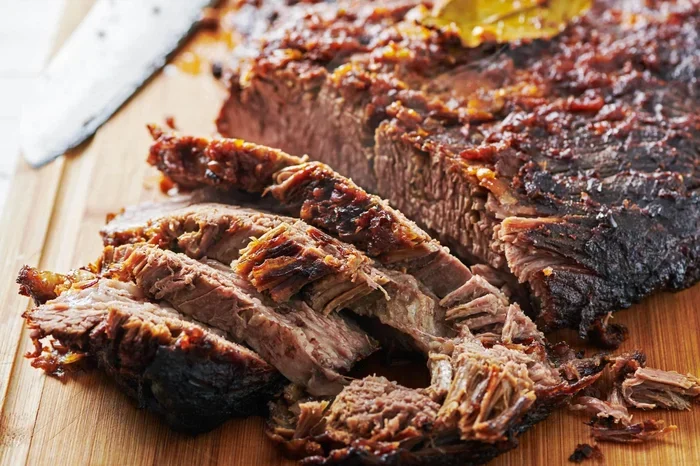
So, how long to bake rump roast in oven? The standard rule is 3 to 4 hours. You bake it at 325 degrees Fahrenheit. This low oven temperature is the secret. It allows the collagen to melt slowly. High heat will make the meat tough and dry. A 3 to 4 pound roast usually takes about 3 hours. A larger 5 to 6 pound roast might need 4 hours or more. Always check the internal temperature. You want it to reach 145 degrees for medium. For well-done, aim for 160 degrees. But remember, the real goal is tenderness, not just a number on a meat thermometer. The meat should be fork tender. It should fall apart easily when you poke it with a fork. This is the true sign of a perfectly cooked pot roast.
When you ask how long to bake rump roast in oven, remember that every oven is different. Older ovens might not heat evenly. Newer ovens have more accurate thermostats. You should get to know your specific oven. If your oven runs hot, you might need to lower the temperature slightly. If it runs cold, you might need to add a few extra minutes. The best way to know is to use a reliable meat thermometer. Do not rely solely on the clock. The clock gives you a guideline, but the thermometer gives you the truth. Also, consider your oven type. Convection ovens have a fan that blows hot air. This can dry out a roast faster. If you use a convection oven, lower the temperature by 25 degrees. You might also need to reduce the baking time slightly.
Rump Roast Size Chart and Baking Times
The exact time depends on the size of your beef roast. Use this simple chart to guide you. It helps you plan your meal perfectly.
| Roast Weight | Oven Temp | Approximate Bake Time |
|---|---|---|
| 2-3 lbs | 325°F | 2 to 2.5 hours |
| 3-4 lbs | 325°F | 2.5 to 3 hours |
| 4-5 lbs | 325°F | 3 to 3.5 hours |
| 5-6 lbs | 325°F | 3.5 to 4 hours |
Always remember these times are estimates. Every oven is different. Your oven might run hot or cold. The type of pan you use also matters. A deep oven-safe pot works best. A shallow baking pan might dry the meat out faster. Keep an eye on your roast as it cooks. If you are using a different cut like a chuck roast, the times will be very similar. Both cuts respond well to low and slow baking. Always check the internal temperature rather than just the clock.
Step-by-Step Guide to Baking Your Roast
Preparing and Seasoning the Meat
Before you turn on the oven, you need to prep the meat. Take your rump roast out of the fridge. Let it sit at room temperature for 30 minutes. This helps it cook more evenly. Cold meat going into a hot oven cooks unevenly. The outside burns before the inside is done. Next, pat the meat dry with paper towels. Dry meat browns better. Now, it is time to season. Use simple kitchen staples. Salt and pepper are your best friends. You can also add garlic powder and onion powder. A little bit of paprika adds nice color. Rosemary and thyme are excellent choices for roast beef. Rub the seasonings all over the roast. Do not be shy with the salt. It draws out moisture and builds flavor. This is a crucial step for any great beef roast. The seasonings will penetrate the meat as it sits.
When you buy meat, look for bright red color. Avoid brown spots. Check the marbling. Marbling means little white streaks of fat. This fat melts during cooking. It makes the meat juicy. A well-marbled rump roast will give you better results than a lean one. Talk to your butcher if you are unsure. They can help you pick the best piece of meat for your pot roast.
Searing for Maximum Flavor
Searing is a crucial step. Many people skip it, but do not! Searing locks in the juices. It also creates a rich, brown crust. Heat a tablespoon of oil in an oven-safe pot. Wait until the oil is shimmering. Carefully place the roast in the hot pot. You will hear a loud sizzle. Let it sit for about 3 minutes. Do not move it around. Once the bottom is brown, flip it over. Brown all sides of the meat. This usually takes about 10 minutes total. The brown bits on the bottom of the pot are full of flavor. This process is called the Maillard reaction. It is what makes pot roast so delicious. The Maillard reaction happens when amino acids and sugars react to heat. It creates hundreds of new flavor compounds. This is the secret behind a great roast beef.
Building the Braising Liquid
After searing, you need to add liquid. This is called braising. Pour in about one cup of beef broth. You can also use red wine or just plain water. Add a bay leaf and a few sprigs of fresh thyme. If you have beef drippings from the searing, use them. Scrape the bottom of the pot to lift the brown bits. These bits are pure flavor. The liquid should come about halfway up the roast. Do not cover the meat completely. You want it partially submerged. This mix of dry and wet heat is what makes the meat so tender. The steam keeps the meat moist while the oven heat cooks it through. You can also add chopped onions and carrots to the liquid. They will cook down and add natural sweetness to the pot roast.
Covering and Baking
Now it is time to bake. Cover the pot tightly with a lid or aluminum foil. The cover traps moisture. This moisture turns into steam. The steam gently cooks the meat. This is how you get tender results. Place the covered pot in the preheated oven. Set your timer. Go about your day. The kitchen will smell amazing. After two hours, check the roast. The meat should be very tender. If it is still tough, keep baking. Check it every 30 minutes. Do not open the lid too often. You want to keep all that steam inside. Every time you lift the lid, you let out valuable steam and heat. This extends the cooking time and can dry out the meat.
Making Gravy from Pan Drippings
Once the roast is done, do not throw away the liquid! This liquid is full of flavor. It is the base for a great gravy. Let the pot sit on the stove for a few minutes. Skim off the excess fat from the top. You can use a fat separator for this. Next, pour the remaining liquid into a saucepan. Bring it to a simmer. Mix a tablespoon of cornstarch with a little cold water. Stir this into the simmering liquid. Keep stirring until the gravy thickens. Season it with salt and pepper. Now you have a rich, homemade gravy. Pour it over the sliced meat and enjoy. This is one of the best parts of making pot roast. It turns a simple meal into a restaurant-quality dinner.
Expert Tips for Perfectly Tender Beef
The Power of a Meat Thermometer
The best way to know if your roast is done is to use a meat thermometer. Do not guess. Stick the thermometer into the thickest part of the meat. Avoid hitting the bone. It gives false readings. For medium-rare, pull the roast at 135 degrees. For medium, pull it at 145 degrees. Remember that the temperature will rise a few degrees while resting. This is called carryover cooking. A thermometer takes the guesswork out of cooking. It guarantees perfect results every single time. This is the number one tool for any cook. It removes all the anxiety from roasting meat.
Why Resting the Meat Matters
Once your roast comes out of the oven, do not cut into it right away. Let it rest for at least 15 to 20 minutes. This is a vital step for resting meat. During cooking, the juices move toward the center of the meat. Resting lets those juices relax. They spread back out evenly throughout the roast. If you cut too soon, the juices run out. Your meat will be dry and less flavorful. Tent the roast loosely with aluminum foil. This keeps it warm while it rests. Patience here pays off big time. It makes the difference between good roast beef and great roast beef.
Quick Tips for Success
Here are some quick tips to make your roast amazing:
- Always use an oven-safe pot. Not all pots can handle high heat. A Dutch oven is perfect.
- Do not rush the searing process. Brown takes time. Give it the full 10 minutes.
- Use fresh herbs if you have them. They taste much better than dried herbs.
- If the liquid reduces too much, add more broth. You never want the pot to dry out.
- Save the pan drippings for homemade gravy. They are full of deep flavor.
- Thaw the roast fully before cooking. A frozen roast will cook unevenly.
Common Mistakes That Ruin Your Pot Roast
Using Too High Heat
One of the biggest mistakes is using too high heat. Some people think a hotter oven cooks the meat faster. This is not true. High heat makes the muscle fibers contract tightly. This squeezes out all the moisture. You end up with a dry and tough rump roast. Stick to 325 degrees. Low and slow is the only way to go for this tough cut. Patience is your best friend in the kitchen. You cannot rush a good pot roast. High heat is fine for a steak, but not for a roast.
Skipping the Resting Period
We already talked about resting, but it is worth repeating. Cutting into your roast immediately is a huge mistake. It wastes all the hard work you put in. The juices will pool on your cutting board instead of staying in the meat. Give your roast time to relax. It will reward you with much better flavor and texture. A good rule is to rest it for as long as you cooked it. So if you baked it for 3 hours, let it rest for 3 hours. Okay, that is a bit extreme, but 20 to 30 minutes is a good minimum.
Not Using Enough Liquid
Another common error is not adding enough braising liquid. The liquid creates the steam that cooks the meat gently. If the liquid evaporates completely, the meat will burn or dry out. Check the pot halfway through cooking. If the liquid is low, add a splash of beef broth. Keep the roast about halfway submerged. You should never let the pot boil dry. The liquid is just as important as the meat itself. Without enough liquid, you are just baking a dry piece of beef.
Opening the Lid Too Often
Every time you open the oven door or the pot lid, you lose heat and steam. This extends the cooking time. It can also dry out the meat. Try to resist the urge to check on it too often. Trust the process. Keep that moisture trapped inside. The steam is doing the hard work of tenderizing the meat for you. Let the oven do its job. It is a slow process, but the results are worth the wait.
Frequently Asked Questions
How long does it take to bake a rump roast at 350 degrees?
Baking at 350 degrees is faster but riskier. It usually takes about 2 to 3 hours for a 3 to 4 pound roast. The higher heat can dry out the outer edges before the center gets tender. Stick to 325 degrees for safer, more even cooking. This temperature gives you the best chance for a juicy result.
Can you bake a rump roast in an oven bag?
Yes, you can use an oven bag. It traps steam and speeds up cooking. The roast will be very tender. It also makes cleanup much easier. Just follow the instructions on the oven bag package for time and temperature. Oven bags are a great kitchen staple for busy cooks who want tender meat fast.
What is the difference between a rump roast and a chuck roast?
Both are tough cuts that need slow cooking. A rump roast comes from the hind leg. A chuck roast comes from the shoulder. Chuck roast has a bit more marbling. This means it might be slightly more forgiving if you overcook it. Both make excellent pot roast. You can use them interchangeably in most recipes.
How do you know when a rump roast is done?
The best way is to use a meat thermometer. You want the internal temperature to reach at least 145 degrees for medium. However, for a truly tender pot roast, you want it to reach 190 to 200 degrees. At this point, the collagen has fully broken down. The meat will fall apart easily with a fork. Look for that perfect fork-tender texture.
Is it better to bake a rump roast covered or uncovered?
You should bake it covered for most of the cooking time. The cover traps moisture and creates steam. This steam gently breaks down the tough fibers. You can uncover it for the last 30 minutes if you want a darker crust on top. This gives you the best of both worlds. A soft interior and a browned exterior.
Can you use a Dutch oven to bake a rump roast?
Absolutely! A Dutch oven is the perfect pot for this job. It is heavy and holds heat very well. The tight-fitting lid traps all the moisture inside. This makes it ideal for braising beef. A Dutch oven will give you the most flavorful and tender results. It is one of the best kitchen staples you can own.
Conclusion
Baking a rump roast in the oven does not have to be scary. You now know exactly how long to bake rump roast in oven for tender results. Remember to keep the temperature at 325 degrees. Give it plenty of time to break down. Sear the meat for extra flavor. Let it rest before you cut. Follow these simple steps, and you will serve a mouthwatering pot roast. Your family and friends will be impressed. Enjoy the process and the delicious smells that fill your home. Happy cooking!