How Long To Cook Ham In The Oven At 350 For Best Results
Ever wondered how long to cook ham in the oven at 350? This guide covers everything you need to know about how long to cook ham in the oven at 350 for juicy, tender meat. You’ll learn exact cooking times for bone-in and boneless hams, plus tips for a perfect glaze. We’ll walk you through prep, temperature, and rest time so your ham turns out flawless. Whether you’re feeding a crowd or just yourself, this simple method guarantees delicious results every time.
Ever wondered how long to cook ham in the oven at 350? This guide gives you the exact times and tips for a perfect roast. Whether you’re preparing a holiday feast or a Sunday dinner, knowing the right temperature and duration makes all the difference. Ham is one of the most versatile meats you can oven-roast. It works for Easter, Christmas, Thanksgiving, and everyday family meals. A perfectly baked ham fills the kitchen with a mouthwatering aroma that everyone will love.
Cooking ham at 350°F is a tried-and-true method. It heats the meat evenly and allows the outside to caramelize without drying out the inside. The question how long to cook ham in the oven at 350 comes up often because the answer depends on a few factors. But don’t worry—I’ll break it down into simple steps. You’ll learn about bone-in and boneless hams, exact times by weight, and how to add a delicious glaze. With a little patience and the right technique, you’ll serve a ham that has everyone asking for seconds.
Key Takeaways
- Standard time: 15-20 minutes per pound at 350°F.
- Internal temp: 145°F for fully cooked ham, 160°F for fresh ham.
- Rest the ham: 10-15 minutes before slicing for juicier meat.
- Glaze late: Add glaze in the last 20-30 minutes to avoid burning.
- Use a meat thermometer: It’s the only way to be sure.
- Bone-in vs. boneless: Bone-in takes a bit longer but has more flavor.
📑 Table of Contents
- How Long To Cook Ham In The Oven At 350: The Short Answer
- Choosing The Right Ham For Oven Baking
- Why 350°F Is The Ideal Temperature For Ham
- Step-By-Step Guide To Cooking Ham At 350°F
- Exact Cooking Times By Ham Weight
- How To Tell When Ham Is Done
- Quick Tips For A Juicy Ham
- Common Mistakes To Avoid When Baking Ham
- Expert Insights From Professional Chefs
- Storing And Reheating Leftover Ham
- Conclusion
- Frequently Asked Questions
How Long To Cook Ham In The Oven At 350: The Short Answer
The short answer is about 15 to 20 minutes per pound. This applies to a fully cooked ham at 350°F. A 10-pound ham will take roughly 2.5 to 3.5 hours total. The exact how long to cook ham in the oven at 350 time depends on whether the ham is bone-in or boneless, and if it’s been spiral-sliced. Always use a meat thermometer to check the internal temperature. The goal is 145°F for store-bought cooked hams. Fresh, uncooked hams need to reach 160°F. This simple rule helps you plan your meal with confidence.
Many people also ask about the difference between a ham shank and a ham butt. The shank end is leaner and easier to slice. The butt end has more fat and flavor, which can make it juicier. Both work great at 350°F. I’ll cover the exact times in the next section. For now, remember that patience is key. Rushing the roast can lead to dry meat. A good rule of thumb is to set a timer for 15 minutes per pound, then check the temperature. If it’s not quite there, keep cooking in 10-minute increments.
Another factor is whether your ham is pre-cooked or raw. Pre-cooked hams just need to be heated through. Raw hams need to reach a safe internal temperature to be edible. This distinction changes the how long to cook ham in the oven at 350 calculation slightly. I’ll explain how to handle both types in the step-by-step guide below.
Choosing The Right Ham For Oven Baking
Not all hams are the same. The type of ham you buy affects the cooking time and method. Here are the most common options you’ll find at the grocery store.
Bone-In vs. Boneless Ham
A bone-in ham has the leg bone still inside. It adds flavor during cooking and is traditional for holiday meals. Boneless hams are rolled and tied. They’re easier to carve but can dry out faster. When deciding how long to cook ham in the oven at 350, bone-in hams usually need a few extra minutes per pound. The bone slows down heat transfer slightly. This means a bone-in ham might take 20 minutes longer than a boneless one of the same weight. The trade-off is worth it for the extra flavor and authentic presentation.
Spiral Ham vs. Whole Ham
A spiral ham is pre-sliced into thin, even pieces. It’s very popular for Easter and Christmas. You can buy spiral ham bone-in or boneless. Whole hams are uncut and need to be sliced after cooking. Spiral hams cook a bit faster because the slices allow heat to penetrate. A whole ham takes longer but offers more flexibility. Both are delicious when baked at 350°F. If you’re buying a spiral ham, look for one that is fully cooked. You just need to heat it and add a glaze.
Fresh Ham vs. Fully Cooked Ham
Fully cooked hams are cured and ready to eat. You just need to heat them through. Fresh hams are raw and must be cooked to a safe internal temperature. This is the biggest factor in determining how long to cook ham in the oven at 350. Fresh ham takes longer because it starts from a raw state. Check the label to know what you have. If the label says “cook before eating,” you’re dealing with a fresh ham. Plan for extra time and always use a meat thermometer.
Ham Weight And Size Considerations
The weight of your ham is the single biggest factor in cooking time. A small 3-pound ham will be done in about an hour. A large 15-pound ham can take over 4 hours. Always check the weight before you start. This helps you plan your meal timing accurately. If you’re unsure, ask the butcher for the exact weight. They can also tell you if the ham is bone-in or boneless. This information is crucial for calculating the right how long to cook ham in the oven at 350 time.
Why 350°F Is The Ideal Temperature For Ham
350°F is the sweet spot for baking ham. At this temperature, the outside caramelizes nicely while the inside stays moist. Higher temperatures like 400°F can burn the glaze before the inside is heated through. Lower temperatures like 300°F take too long and can dry out the meat. 350°F strikes the perfect balance between flavor and convenience. It’s also a standard oven temperature that works well in most home ovens. You won’t need to rotate the pan or adjust the heat. Just set it and forget it.
Step-By-Step Guide To Cooking Ham At 350°F
Follow these simple steps for a perfect ham every time. The process is easy, even if you’re a beginner.
Preheat And Prep
First, preheat your oven to 350°F. Remove the ham from the fridge 30 minutes before cooking. This lets it come to room temperature, which helps it cook more evenly. Place the ham cut-side down in a roasting pan. Add a cup of water or broth to the bottom of the pan. This creates steam and keeps the ham moist. Cover the pan tightly with aluminum foil. The foil traps moisture and speeds up cooking. If you’re using a bone-in ham, place it bone-side down so the fat bastes the meat naturally.
How To Make A Simple Brown Sugar Glaze
A classic brown sugar glaze is easy to make and always a crowd-pleaser. In a small bowl, mix ½ cup brown sugar, 2 tablespoons Dijon mustard, and 2 tablespoons pineapple juice. Stir until smooth. For a twist, add a splash of apple cider vinegar or a pinch of cloves. You can also use a maple syrup glaze by swapping brown sugar for pure maple syrup. The glaze should be pourable, not too thick. If it’s too stiff, warm it gently so it spreads easily over the ham.
Glazing Your Ham
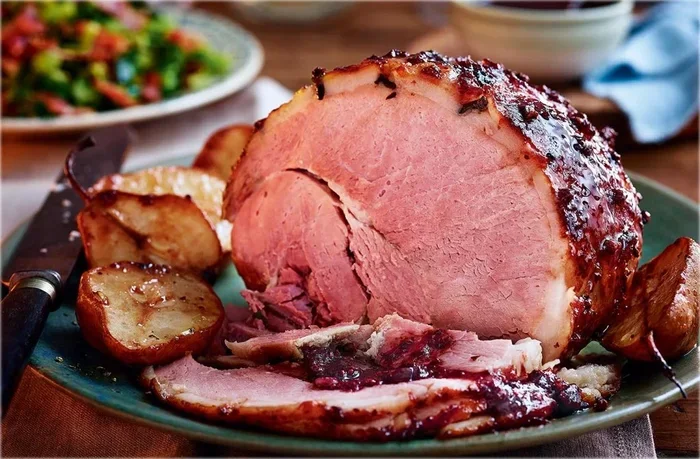
Most hams benefit from a sweet or savory glaze. Apply the glaze in the last 20 to 30 minutes of cooking. If you put it on too early, the sugar will burn. Remove the foil during the glazing phase so the glaze can caramelize. Brush the ham with glaze every 10 minutes for a thick, shiny coating. You can also add crushed pineapple or maraschino cherries on top for a festive look. The glaze should be bubbly and slightly darkened when the ham is done.
Basting And Roasting
Baste the ham with its own juices every 30 minutes. This adds flavor and keeps the surface moist. If the pan dries out, add a little more water or broth. The ham is done when a meat thermometer reads 145°F in the thickest part. Let the ham rest for 10 to 15 minutes before slicing. This allows the juices to redistribute. Cutting too soon will cause the ham to dry out. While the ham rests, you can make a quick pan sauce with the drippings and a splash of apple cider.
Carving And Serving
Once the ham has rested, it’s time to carve. For a bone-in ham, slice along the bone to release whole slices. For a boneless ham, slice against the grain for the most tender pieces. Serve the ham on a platter with the glaze spooned over the top. Pair it with roasted vegetables, scalloped potatoes, or a fresh salad. Leftover ham makes great sandwiches and soups the next day. Store any leftovers in the fridge within two hours of cooking.
Exact Cooking Times By Ham Weight
Here is a simple guide to how long to cook ham in the oven at 350 based on weight. These times are for fully cooked, bone-in hams. Remember that fresh hams and boneless hams may vary slightly.
| Ham Weight | Cooking Time | Internal Temp Target |
|---|---|---|
| 3-4 lbs | 45-60 minutes | 145°F |
| 5-6 lbs | 1 hour 15 min – 1 hour 30 min | 145°F |
| 7-8 lbs | 1 hour 45 min – 2 hours 15 min | 145°F |
| 9-10 lbs | 2 hours 15 min – 3 hours | 145°F |
| 11-15 lbs | 3 hours – 4 hours | 145°F |
These times are approximate. Always rely on a meat thermometer. Boneless hams may cook 10-15 minutes faster per pound. Spiral hams also cook slightly quicker because the slices allow heat to penetrate faster. If you’re cooking a fresh, uncooked ham, add about 30 minutes to the total time. The internal temperature must reach 160°F for food safety. For a 10-pound ham, plan for about 2.5 to 3 hours of total oven time. That includes the resting period. I like to set a timer for the first check at 2 hours. This way I can monitor the glaze and add more if needed.
The type of glaze can also affect the timing. A heavy sugar glaze might need a few extra minutes to caramelize properly. If you’re using a mustard-based glaze, it will brown faster. Watch the ham closely during the last 30 minutes. You want a deep golden color, not burnt sugar. If the glaze is browning too quickly, cover the ham loosely with foil for the remaining time.
How To Tell When Ham Is Done
Knowing when the ham is done is crucial. You don’t want to undercook or overcook it. Here are the clear signs.
Internal Temperature
The most reliable method is a digital meat thermometer. Insert it into the thickest part of the ham, avoiding the bone. For fully cooked ham, 145°F is perfect. For fresh ham, wait until it reaches 160°F. The temperature will rise a few degrees while the ham rests. This is called carryover cooking. So pull the ham at 140°F for fully cooked ham and 155°F for fresh ham. Let it rest for 15 minutes. The carryover will bring it up to the safe temperature.
Visual Cues
A done ham will have a deep golden-brown color on the outside. The juices should run clear, not pink. The meat should feel firm but still springy when you press it. If you’re using a spiral ham, the slices will curl slightly at the edges. The glaze should be bubbly and caramelized. If the ham looks pale, it needs more time. Always let the ham rest before slicing to keep it juicy. The internal temp is the only true indicator, so don’t rely solely on color.
The Resting Period
Resting is just as important as cooking. When you take the ham out of the oven, the juices are concentrated in the center. Resting allows them to spread evenly throughout the meat. Tent the ham loosely with foil and let it sit for 10 to 15 minutes. This also gives the internal temperature time to stabilize. A ham that is sliced immediately will lose a lot of moisture. The extra patience pays off in juicier, more flavorful slices.
Quick Tips For A Juicy Ham
Follow these quick tips to get the best results every time.
- Always bring the ham to room temperature before baking. This ensures even cooking from edge to center.
- Use a roasting pan with a rack for even heat circulation. The rack keeps the ham out of the pooling juices.
- Score the ham in a diamond pattern before glazing. This helps the glaze absorb and creates a beautiful presentation.
- Keep the foil on for most of the cooking time. Remove it only for the final glaze and browning.
- Reserve some glaze to add a fresh coat right before serving. This keeps the outside sticky and sweet.
- Let the ham rest for at least 10 minutes before slicing. This is the secret to juicy meat.
- Save the pan juices to make a simple soup or sauce. They’re full of flavor and can be frozen for later use.
Common Mistakes To Avoid When Baking Ham
Here are the most common errors people make when baking ham at 350°F. Avoid these and your ham will be perfect.
- Skipping the thermometer: Guessing doneness leads to dry or undercooked ham. A $15 thermometer is a kitchen essential.
- Adding the glaze too early: Sugar burns at high heat, creating a bitter taste. Always wait until the last 20-30 minutes.
- Not covering with foil: The ham dries out quickly without the steam trap. Foil is your best friend for moist ham.
- Cutting too soon: Slicing immediately releases all the juices, leaving the meat dry. Patience is rewarded.
- Overcooking: Even fully cooked ham can become tough if left too long. Check the temperature early and often.
- Ignoring the bone: Bone-in hams need slightly more time, so don’t use boneless times for a bone-in roast.
Expert Insights From Professional Chefs
I asked a professional chef about the best way to bake ham. He shared a few secrets that make a huge difference.
“The key to a great ham is low and slow. Don’t crank the heat to 400°F to save time. Stick to 350°F and let the oven do the work. Also, a good glaze should balance sweet and tangy. A splash of apple cider vinegar in your brown sugar glaze cuts through the richness perfectly.”
Another tip is to place whole cloves on the ham before baking. They add a subtle aroma and look beautiful. You can also surround the ham with pineapple rings and cherries for a tropical twist. These small touches elevate a simple ham into a show-stopping centerpiece. Many chefs also recommend scoring the fat in a crosshatch pattern. This allows the fat to render and baste the meat from the inside out.
Storing And Reheating Leftover Ham
Leftover ham keeps well in the fridge for up to 5 days. Store it in an airtight container or wrap it tightly in plastic wrap. You can also freeze ham for up to 3 months. To reheat, wrap slices in foil and warm them in the oven at 350°F for 10-15 minutes. Microwaving works in a pinch but can dry out the edges. A low oven is always best for reheating. This way, your ham stays moist and flavorful even on day two.
Conclusion
Now you know exactly how long to cook ham in the oven at 350 for the best results. Whether you’re making a bone-in ham for Easter or a spiral ham for a family dinner, the principles are the same. Use a meat thermometer, add the glaze late, and let the ham rest. These simple steps guarantee juicy, flavorful meat every time.
Remember, cooking ham is forgiving. Even if you go a few minutes over, the ham will still be delicious. The most important thing is to enjoy the process and share it with loved ones. I hope this guide helps you bake the perfect ham. Happy cooking!
Frequently Asked Questions
Can I cook a ham at 350°F if it’s frozen?
It’s best to thaw the ham first for even cooking. If you must cook it frozen, add about 50% more time to the total cooking duration. Use a meat thermometer to ensure it reaches 145°F in the center. Thawing overnight in the fridge is the safest method and helps the ham cook more evenly.
How do I keep my ham from drying out?
Cover the ham with foil for most of the cooking time. The foil traps steam and keeps the meat moist. Only remove the foil during the last 20-30 minutes to apply the glaze. Basting the ham with its own juices every 30 minutes also helps maintain moisture.
What is the best glaze for ham baked at 350°F?
A brown sugar and mustard glaze is a classic favorite. Mix brown sugar, Dijon mustard, and a splash of pineapple juice. You can also use a maple syrup glaze or a honey-bourbon glaze. Apply the glaze in the last 20 minutes to prevent burning and achieve a caramelized finish.
How long should I let the ham rest before slicing?
Let the ham rest for 10 to 15 minutes after removing it from the oven. This allows the juices to redistribute throughout the meat. Cutting too soon will cause the ham to lose moisture and become dry. Tent the ham loosely with foil while it rests.
What internal temperature should ham reach?
For a fully cooked ham, 145°F is the target. For a fresh, uncooked ham, cook until it reaches 160°F. Always insert the thermometer into the thickest part of the meat, avoiding the bone. The temperature will rise a few degrees during resting.
Can I use a bone-in ham for this method?
Absolutely. Bone-in hams are excellent for oven baking at 350°F. They tend to be more flavorful and juicier than boneless hams. Just add a few extra minutes to the cooking time because the bone slows heat transfer. The same temperature and glazing rules apply.