Do You Have To Make Sourdough In A Dutch Oven Explained
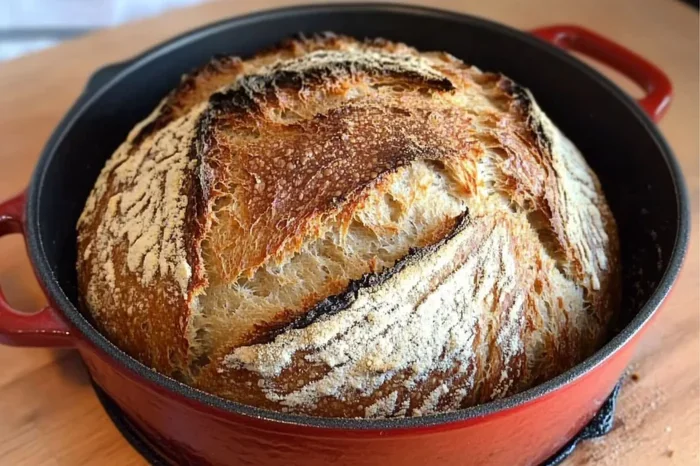
Do You Have To Make Sourdough In A Dutch Oven? The short answer is no, but a Dutch oven is the most popular and effective tool for baking sourdough bread at home. A Dutch oven traps steam, creates a crispy sourdough crust, and delivers excellent oven spring. However, several alternatives like a baking stone, baking steel, or even a simple sheet pan can produce outstanding results. In this guide, we break down every option so you can choose the best method for your kitchen and skill level.
Making sourdough bread at home is one of the most rewarding baking experiences you can have. The tangy flavor, the crispy exterior, and the beautiful crumb inside all come together to create something truly special. But when you start exploring sourdough recipes, one question pops up almost everywhere: do you have to make sourdough in a Dutch oven?
The answer might surprise you. While the Dutch oven has become the go-to tool for home sourdough bakers, it is far from the only option. In fact, people have been baking incredible loaves of artisan bread long before Dutch ovens became trendy in the baking world. What matters most is understanding how heat and steam interact with your dough, and then choosing the right tool for your setup.
This guide will walk you through everything you need to know. We will cover why the Dutch oven works so well, what alternatives exist, and how to get the best results with each method. Whether you are a complete beginner or a seasoned baker looking to switch things up, you will find practical advice here.
Key Takeaways
- A Dutch oven is not required: You can bake great sourdough without one using alternative tools and methods.
- Steam is the key factor: A Dutch oven works so well because it traps moisture, which creates a crisp crust and dramatic oven spring.
- Baking stone and steel are top alternatives: Both provide excellent heat retention and can mimic Dutch oven results with a separate steam source.
- Sheet pan baking works in a pinch: This no-equipment method still produces a flavorful loaf with a decent crust.
- Your sourdough starter matters: A healthy, active starter is more important than your baking vessel for achieving great bread.
- Scoring and shaping are essential: Proper technique improves rise and appearance regardless of the baking method you choose.
- Temperature and timing vary by method: Each alternative has its own ideal baking temperature and duration for best results.
📑 Table of Contents
- Why the Dutch Oven Is So Popular for Sourdough
- Do You Have To Make Sourdough In A Dutch Oven?
- Top Alternatives to Dutch Oven Sourdough Baking
- Comparison Table: Dutch Oven vs. Alternatives
- Quick Tips for Baking Sourdough Without a Dutch Oven
- Common Mistakes People Make When Baking Sourdough
- Expert Insights on Sourdough Baking Vessels
- How to Choose the Right Method for You
- Key Takeaways
- Conclusion
Why the Dutch Oven Is So Popular for Sourdough
The Dutch oven sourdough method has taken the baking world by storm, and for good reason. This simple pot does something magical that few other household items can replicate. Let us look at exactly why it works so well.
The Steam Trap Effect
A Dutch oven is essentially a heavy, thick-walled pot with a tight-fitting lid. When you place your shaped loaf inside and put the lid on, something important happens: the dough releases moisture as it bakes. That moisture gets trapped inside the pot, creating a small steamy environment around the bread. This steam is the secret ingredient that gives sourdough bread its signature crispy, blistered crust.
Without steam, the crust forms too early. The bread cannot expand fully, and you end up with a dense, thick outer shell instead of that beautiful thin, shattering crust. The Dutch oven solves this problem effortlessly because the lid keeps all the steam right where it needs to be.
Superior Oven Spring
Oven spring refers to the rapid rise that happens when bread first goes into a hot oven. The trapped steam in a Dutch oven keeps the surface of the dough soft and flexible for longer. This allows the loaf to expand fully before the crust sets. The result is a taller, more open crumb with those gorgeous irregular holes that make artisan sourdough so visually appealing.
Even Heat Distribution
Cast iron Dutch ovens are excellent at holding and distributing heat evenly. Unlike thin baking sheets that create hot spots, a Dutch oven surrounds the bread with consistent, steady heat from all sides. This even cooking helps the loaf bake uniformly, with a well-browned crust all around and a perfectly baked interior.
Do You Have To Make Sourdough In A Dutch Oven?
Now let us address the big question directly. Do you have to make sourdough in a Dutch oven? Absolutely not. A Dutch oven is a fantastic tool, but it is a tool, not a requirement. Many professional bakers and home enthusiasts use completely different methods to produce outstanding sourdough loaves.
The real question you should be asking is: what is the best baking method for my situation? Your answer depends on the equipment you have, the results you want, and how much time and effort you are willing to put in.
Think of it this way. A Dutch oven is like a premium all-in-one solution. It handles steam and heat perfectly, and it is very forgiving for beginners. But just because it is the most popular method does not mean it is the only path to great bread. There are many roads to the same destination.
Top Alternatives to Dutch Oven Sourdough Baking
If you do not own a Dutch oven or prefer not to use one, several excellent alternatives can still produce beautiful sourdough bread. Let us explore each option in detail.
Baking Stone
A baking stone is a thick slab of stone, usually made from cordierite or ceramic, that you place on the middle or lower rack of your oven. It absorbs heat and radiates it evenly, mimicking the bottom heat of a Dutch oven. Baking stones are affordable and widely available.
To compensate for the lack of trapped steam, you can add moisture to your oven manually. A popular technique is to place a pan of boiling water on the rack below the stone when you put the bread in. Some bakers also spray water into the oven right after loading the loaf. These steps help create the steamy environment needed for a good crust and strong oven spring.
Baking Steel
A baking steel works on the same principle as a baking stone but is made from steel instead of stone. Steel conducts heat faster and holds more of it, which can lead to even better bottom browning and crust development. Many serious bakers prefer a baking steel over a stone because of its superior heat retention.
Like the baking stone, you will need to add steam separately when using a baking steel. The good news is that because steel heats up faster, you can preheat it for a shorter time and still achieve excellent results. A baking steel is a worthwhile investment if you bake bread regularly.
Sheet Pan Method
The sheet pan method is the simplest no-equipment approach. You just place your scored loaf directly onto a parchment-lined sheet pan and slide it into the oven. No preheating of special equipment is needed, and cleanup is minimal.
The trade-off is that you get less oven spring and a thinner crust compared to a Dutch oven or baking stone. The bread still tastes wonderful, though. The sourdough fermentation and the quality of your starter matter far more than the baking vessel. A well-fermented loaf baked on a sheet pan will still taste infinitely better than a poorly fermented loaf baked in a fancy Dutch oven.
Lidded Bread Pot or Cloche
A bread cloche is a ceramic or stoneware cover specifically designed for baking bread. It works almost exactly like a Dutch oven by trapping steam. The difference is that a cloche sits on top of the bread on a baking stone or sheet, rather than enclosing the entire loaf. These pots are purpose-built for bread baking and can produce results very similar to a Dutch oven.
Combo Cooker Method
Some bakers use a combo cooker, which is a cast iron skillet with a matching lid. The skillet acts as the base, and the lid traps steam just like a Dutch oven. This method works well and gives you more flexibility because you can use the skillet for other cooking tasks when you are not baking bread.
Comparison Table: Dutch Oven vs. Alternatives
| Method | Steam Control | Crust Quality | Oven Spring | Ease of Use | Cost |
|---|---|---|---|---|---|
| Dutch Oven | Excellent (built-in) | Outstanding | Excellent | Very Easy | Moderate |
| Baking Stone | Good (with added steam) | Very Good | Good | Moderate | Low to Moderate |
| Baking Steel | Good (with added steam) | Excellent | Very Good | Moderate | Moderate to High |
| Sheet Pan | Poor (no built-in steam) | Good | Fair | Very Easy | Low |
| Bread Cloche | Excellent (built-in) | Outstanding | Excellent | Easy | Moderate |
| Combo Cooker | Excellent (built-in) | Outstanding | Excellent | Very Easy | Moderate |
Quick Tips for Baking Sourdough Without a Dutch Oven
Switching away from a Dutch oven does not mean sacrificing quality. Here are some bread baking tips that will help you get great results with alternative methods.
- Add steam manually. Place a shallow pan of water on the lowest rack of your oven during preheating. This creates ambient moisture that helps develop a good crust.
- Preheat your baking surface thoroughly. Whether you are using a stone, steel, or sheet pan, give it at least 30 to 45 minutes in a hot oven before loading the bread.
- Use a spray bottle. A quick spritz of water into the oven right after you load the bread can add enough steam for a decent crust. Do this two or three times in the first five minutes of baking.
- Bake with the oven door closed. Resist the urge to open the door too early. Every time you open it, you lose heat and steam, which can hurt your oven spring.
- Score your dough properly. Sharp scoring allows the bread to expand in a controlled way during oven spring. A lame or razor blade works best for this.
- Experiment with temperature. Many sourdough bakers bake at 450 to 500 degrees Fahrenheit. Without a Dutch oven, try starting at a higher temperature and then reducing it after the first 15 to 20 minutes.
Common Mistakes People Make When Baking Sourdough
Even with the right equipment, certain mistakes can hold you back from achieving the perfect sourdough loaf. Here are the ones to watch out for.
Skipping the Preheat
One of the biggest errors is not preheating your oven or baking surface long enough. A cold baking stone or steel will absorb heat from the dough and slow down the initial rise. Always preheat for at least 30 minutes, and ideally 45 to 60 minutes for stones and steels.
Using Too Much Flour
Excess flour on the surface of your dough can burn during baking and create a thick, unpleasant crust. Use just enough flour to prevent sticking, and brush off any excess before scoring and loading the bread.
Overproofing the Dough
If your dough proofs for too long, the gluten structure becomes overstretched and weak. When it hits the hot oven, it cannot spring up properly. Instead of a beautiful rise, you get a flat, dense loaf. Watch your dough carefully during the final proof and bake it when it is just past peak rise.
Ignoring the Starter
Your sourdough starter is the engine behind every great loaf. If it is not active and bubbly, your bread will not rise properly no matter what baking vessel you use. Feed your starter regularly and make sure it passes the float test before mixing your dough.
Expert Insights on Sourdough Baking Vessels
We spoke with experienced sourdough bakers to get their take on the Dutch oven debate. Here is what the experts had to say.
Maria Torres, professional artisan baker: “I tell my students that the vessel is secondary to the dough itself. A healthy, well-fermented sourdough will bake beautifully in almost any vessel. The Dutch oven is popular because it is forgiving and consistent, but a baking stone with a steam pan can produce equally stunning results.”
James Whitfield, sourdough educator: “When someone asks me if they need a Dutch oven, I ask them what they already own. Nine times out of ten, they can make excellent bread with what they have. The key is understanding steam, heat, and fermentation. The pot is just a tool to manage those elements.”
These insights reinforce an important truth: your technique and your starter matter more than your equipment. A Dutch oven baking setup is wonderful, but it is not a magic wand. The real magic happens in the fermentation and the care you put into your dough.
How to Choose the Right Method for You
Still not sure which method to go with? Here is a quick guide to help you decide based on your situation.
- You are a complete beginner: Start with a Dutch oven. It is the easiest path to success and gives you confidence early on. The built-in steam means fewer things can go wrong.
- You already own a baking stone or steel: Use it. Add a pan of water for steam and follow the tips in this article. You do not need to buy a Dutch oven.
- You have minimal equipment: Use a sheet pan with parchment paper. Your bread will still taste amazing. Focus on getting your fermentation right.
- You bake frequently and want professional results: Invest in a baking steel or a bread cloche. These tools offer excellent performance and will last for years.
- You want the best crust possible: A Dutch oven or a bread cloche will give you the most dramatic, crispy crust at home. The trapped steam creates that professional-quality finish.
Remember, there is no single “right” way to bake sourdough. The best method is the one that works for you, your equipment, and your lifestyle. The beauty of homemade sourdough is that it adapts to whatever kitchen you are working with.
Key Takeaways
- A Dutch oven is not required: You can bake great sourdough without one using alternative tools and methods.
- Steam is the key factor: A Dutch oven works so well because it traps moisture, which creates a crisp crust and dramatic oven spring.
- Baking stone and steel are top alternatives: Both provide excellent heat retention and can mimic Dutch oven results with a separate steam source.
- Sheet pan baking works in a pinch: This no-equipment method still produces a flavorful loaf with a decent crust.
- Your sourdough starter matters: A healthy, active starter is more important than your baking vessel for achieving great bread.
- Scoring and shaping are essential: Proper technique improves rise and appearance regardless of the baking method you choose.
- Temperature and timing vary by method: Each alternative has its own ideal baking temperature and duration for best results.
Conclusion
The question of do you have to make sourdough in a Dutch oven comes down to personal preference and the equipment you have available. A Dutch oven is a wonderful tool that simplifies the process and delivers consistently excellent results. Its ability to trap steam and provide even heat makes it a favorite among both beginners and experienced bakers.
However, it is absolutely not a requirement. Whether you choose a baking stone, a baking steel, a simple sheet pan, or a bread cloche, you can still bake beautiful, flavorful sourdough bread at home. The most important factors are a healthy starter, proper fermentation, good shaping technique, and adequate heat. The vessel you use is just one piece of the puzzle.
So go ahead and bake the way that suits you best. Experiment with different methods, learn what works in your oven, and enjoy the process. The journey of making sourdough bread is just as rewarding as the delicious loaf that comes out of the oven at the end.
Start with what you have, keep learning, and soon you will be pulling out gorgeous, golden-crusted loaves no matter which baking method you choose.
Frequently Asked Questions
Can I bake sourdough without a Dutch oven?
Yes, absolutely. Many bakers use a baking stone, baking steel, or even a simple sheet pan to bake sourdough at home. You may need to add steam manually by placing a pan of water in the oven, but the results can be just as good as using a Dutch oven.
What is the best alternative to a Dutch oven for sourdough?
A baking steel is often considered the best alternative because it conducts and retains heat very effectively. A baking stone is a close second and is more affordable. Both work well when you add a separate steam source to your oven.
Why does sourdough need steam during baking?
Steam keeps the surface of the dough soft and flexible during the early stages of baking. This allows the bread to expand fully through oven spring. It also delays crust formation, which results in a thinner, crispier, and more beautifully blistered exterior.
Can I use a regular pot with a lid instead of a Dutch oven?
Yes, any heavy pot with a tight-fitting lid can work as a Dutch oven substitute. Cast iron, enameled steel, or ceramic pots all trap steam effectively. Just make sure the pot is oven-safe and can handle high temperatures of 450 degrees or more.
Does the size of the Dutch oven matter for sourdough?
Yes, it does. A standard 5 to 6 quart Dutch oven works well for most single loaves. If the pot is too small, the bread will be crowded and cannot expand properly. If it is too large, the bread may spread out too much and lose shape. Choose a pot that fits your loaf comfortably with a couple of inches of space on all sides.
How do I know if my sourdough is fully baked without a Dutch oven?
Check for a deep golden-brown crust all around the loaf. Tap the bottom of the bread and listen for a hollow sound. An internal temperature of 205 to 210 degrees Fahrenheit indicates the bread is fully baked. Without a Dutch oven, you may need to bake a few minutes longer to achieve the same level of doneness.