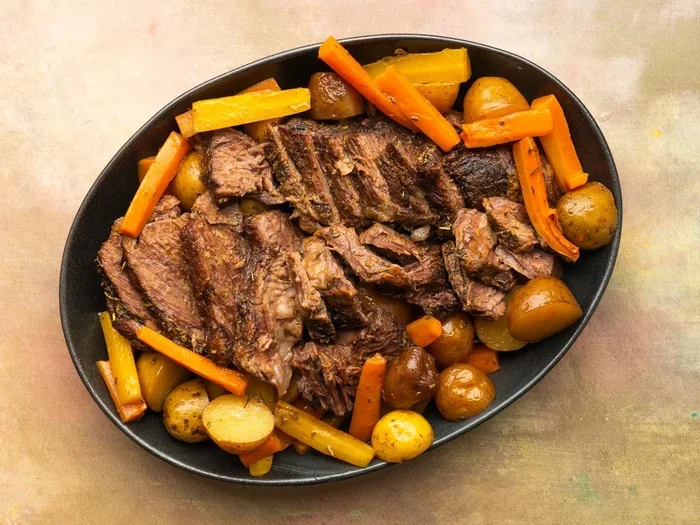
How To Make Chuck Roast In Oven Perfectly Every Time
Making a chuck roast in the oven is easier than you think. This guide walks you through every step to get a juicy, tender pot roast that melts in your mouth. You will learn how to choose the right cut, season it well, and cook it at the perfect temperature. Whether you are a beginner or a seasoned cook, these methods guarantee great results. Your next oven roast dinner will be a hit with the whole family.
There is something magical about a chuck roast in the oven. The kitchen fills with a rich, savory aroma. The house gets warm. And when you finally pull that tender, juicy roast out, you know every minute of waiting was worth it.
If you have ever wondered how to make a pot roast that turns out perfect every single time, you are in the right place. This guide covers everything from picking the right cut to serving the final product. You do not need to be a professional chef to pull off a stunning oven beef roast. All you need is a little patience and the right method.
A beef chuck roast is one of the most affordable cuts of meat you can buy. It comes from the shoulder area of the cow, which means it has lots of connective tissue and marbling. When cooked low and slow, all that collagen breaks down into gelatin. The result is meat that is so tender you can cut it with a fork. This is why the oven braised beef method works so well for chuck roast.
Now, let us get into the details. By the end of this article, you will feel confident enough to make this dish on any weeknight or weekend. You will also learn common mistakes to avoid and pro tips that elevate your roast from good to great.
Key Takeaways
- Choose the right cut: A well-marbled chuck roast gives you the best flavor and tenderness.
- Sear before baking: Searing locks in juices and builds a rich, deep flavor.
- Low and slow is key: Cooking at 300-325°F for several hours creates a fork-tender result.
- Use aromatics and liquid: Beef broth, onions, garlic, and herbs make the roast incredibly flavorful.
- Rest the meat: Letting the roast rest after cooking keeps it juicy when you slice it.
- Internal temperature matters: Aim for 195-205°F for the most tender pot roast.
- Store leftovers properly: A properly stored chuck roast stays delicious for up to 4 days.
📑 Table of Contents
- What Is a Chuck Roast and Why Is It Perfect for the Oven?
- Choosing the Right Chuck Roast
- Essential Ingredients for a Perfect Oven Chuck Roast
- Step-by-Step Instructions for Making Chuck Roast in the Oven
- Tips for Achieving the Perfect Tender Texture
- Serving and Storing Your Oven Chuck Roast
- Final Thoughts on Making Chuck Roast in the Oven
What Is a Chuck Roast and Why Is It Perfect for the Oven?
A chuck roast is a cut of beef that comes from the shoulder and neck area of the cow. It is known for its heavy marbling and thick layers of connective tissue. These features might sound like drawbacks, but they are actually what make this cut special.
When you apply gentle, sustained heat over several hours, the collagen in the meat transforms. It turns from tough and chewy into silky and tender. This process is called braising, and it is the gold standard for cooking chuck roast in the oven.
Why the Oven Works Best for Chuck Roast
You might wonder why you should use an oven instead of a stovetop or slow cooker. The oven provides even, consistent heat from all sides. This means your roast cooks uniformly without hot spots. A Dutch oven works especially well because it traps moisture and heat inside.
Here are some reasons why oven roasting beats other methods:
- Even heat distribution: The oven surrounds the meat with consistent warmth.
- Hands-off cooking: Once the roast is in, you can walk away and let the oven do the work.
- Better flavor development: The enclosed environment lets juices and aromatics mingle beautifully.
- Easy to monitor: You can check the internal temperature without disturbing the meat too much.
Chuck Roast vs Other Beef Roasts
Not all beef roasts are created equal. Here is a quick comparison of popular roast cuts and why chuck roast stands out for oven cooking.
- Chuck Roast: Very tender when braised, rich flavor, affordable, great for pot roast.
- Rib Roast: Leaner and more expensive, best for quick roasts at higher temperatures.
- Round Roast: Lean but can be tough, needs careful cooking to avoid dryness.
- Brisket: Amazing flavor but requires very long cooking times and more attention.
For most home cooks, the chuck roast is the best choice for an oven pot roast. It is forgiving, flavorful, and hard to ruin if you follow the basic steps.
Choosing the Right Chuck Roast
Picking the right piece of meat sets the foundation for your entire dish. You do not need the most expensive cut, but you do need the right one.
What to Look for at the Butcher or Grocery Store
When you are shopping for a beef chuck roast, keep these tips in mind:
- Look for marbling: Those white streaks of fat throughout the meat are your friend. They melt during cooking and keep the roast juicy.
- Check the size: A 3 to 4 pound roast is ideal for most families. It fits well in a standard Dutch oven.
- Color matters: The meat should be a deep reddish-brown. Avoid any roast that looks gray or dull.
- Smell it: Fresh beef should have a mild, clean smell. Anything sour or strong means it is not fresh.
Many stores sell beef stew meat or pre-cut chunks, but a whole chuck roast gives you much better results for an oven braised beef dish. The larger piece retains moisture better and develops a richer flavor.
How Much Chuck Roast Per Person?
A good rule of thumb is about half a pound of raw meat per person. Keep in mind that meat shrinks during cooking. A 4-pound raw chuck roast will yield roughly 2.5 to 3 pounds of cooked meat. That should serve about 6 to 8 people comfortably.
Essential Ingredients for a Perfect Oven Chuck Roast
The beauty of a chuck roast in the oven is that you do not need a long list of fancy ingredients. Simple, quality ingredients do all the heavy lifting. Here is what you will need.
The Core Ingredients
- Chuck roast: 3 to 4 pounds, trimmed of excess fat but not completely lean.
- Beef broth: About 2 cups. This forms the base of your braising liquid.
- Onions: 2 to 3 large yellow onions, sliced thick.
- Garlic: 4 to 5 cloves, minced or smashed.
- Carrots and celery: 3 to 4 carrots and 2 stalks of celery, cut into chunks.
- Tomato paste: 2 tablespoons for depth of flavor.
- Worcestershire sauce: 1 tablespoon for a savory, tangy kick.
- Fresh herbs: Thyme, rosemary, and bay leaves work wonders.
Seasoning Your Roast
Do not underestimate the power of good seasoning. A simple blend of salt, black pepper, and garlic powder goes a long way. Some cooks also like to add a pinch of paprika or cumin for extra warmth.
Here is a quick seasoning approach that works every time:
- Pat the roast dry with paper towels. Dry meat sears better.
- Rub the entire surface with olive oil.
- Season generously with coarse salt and freshly ground black pepper.
- Add garlic powder and a touch of smoked paprika if you like.
- Let the seasoned roast sit at room temperature for about 30 minutes before cooking.
This resting step allows the seasoning to penetrate the meat and brings it closer to room temperature. Both of these small steps make a big difference in the final result.
Step-by-Step Instructions for Making Chuck Roast in the Oven
Now comes the fun part. Let us walk through the entire process from start to finish. Follow these steps closely and you will have a tender roast that rivals any restaurant dish.
Step 1: Preheat Your Oven
Set your oven to 325°F. This temperature is the sweet spot for oven roasted chuck roast. It is hot enough to develop a nice crust during searing but low enough to cook the meat gently without drying it out.
Step 2: Sear the Roast
Searing is a non-negotiable step if you want deep, rich flavor. Heat a large Dutch oven or oven-safe pot over medium-high heat with a tablespoon of oil.
Once the oil is shimmering, place the roast in the pot. Do not move it for about 4 to 5 minutes. Let a golden-brown crust form on the bottom. Then flip and repeat on all sides. This should take about 15 to 20 minutes total.
Pro tip: Do not crowd the pot. If your roast is large, you may need to sear it in batches. Overcrowding creates steam instead of a proper sear.
Step 3: Build the Braising Liquid
After removing the roast, add your sliced onions, carrots, and celery to the same pot. Stir them around for about 3 to 4 minutes. They will soften and pick up all those flavorful brown bits stuck to the bottom.
Add the minced garlic and cook for another minute until fragrant. Then stir in the tomato paste and Worcestershire sauce. Cook for 30 seconds to bloom the flavors.
Pour in the beef broth and scrape the bottom of the pot with a wooden spoon. Those browned bits are pure flavor gold. Add the thyme, rosemary, and bay leaves. Give everything a good stir.
Step 4: Braise in the Oven
Place the seared roast back into the pot on top of the vegetables. The liquid should come about halfway up the sides of the meat. It should not completely submerge the roast.
Cover the pot with a tight-fitting lid. Place it in the preheated oven. Set your timer for 3.5 to 4 hours at 325°F.
Here is a helpful guide for cook times based on roast size:
- 2 to 3 pounds: About 3 to 3.5 hours.
- 3 to 4 pounds: About 3.5 to 4 hours.
- 4 to 5 pounds: About 4 to 4.5 hours.
The key is not to rush this process. Low and slow cooking is what transforms a tough cut into a melt-in-your-mouth masterpiece.
Step 5: Check the Internal Temperature
After about 3.5 hours, insert a meat thermometer into the thickest part of the roast. You are aiming for an internal temperature of 195°F to 205°F. At this range, the connective tissue has fully broken down and the meat will be incredibly tender.
If the temperature is still below 190°F, continue cooking in 30-minute increments. Check again each time. Patience is your best tool here.
Step 6: Rest the Roast
Once the roast reaches the target temperature, remove it from the oven. Take it out of the pot and place it on a cutting board. Cover it loosely with aluminum foil and let it rest for 15 to 20 minutes.
This resting period is crucial. The juices inside the meat redistribute and settle. If you cut too soon, those juices will run all over your cutting board instead of staying in the meat. Your oven pot roast will be juicier and more flavorful because of this simple step.
Tips for Achieving the Perfect Tender Texture
Even with a great recipe, small mistakes can affect the final result. Here are some expert tips to make sure your chuck roast comes out perfectly every time.
Do Not Skip the Sear
Some people skip searing to save time. Do not do this. The Maillard reaction that happens during searing creates hundreds of complex flavor compounds. It is the difference between a bland roast and a deeply flavorful one.
Keep the Oven Door Closed
Resist the urge to open the oven door every 30 minutes. Each time you open the door, the temperature drops significantly. This extends the cooking time and can lead to uneven results. Trust the process and check only when it is time.
Use the Right Liquid Ratio
Your braising liquid should cover about one-third to one-half of the roast. Too much liquid and the meat will boil instead of braise. Too little liquid and it can dry out. The steam created inside the covered pot is what does the gentle cooking.
Add Vegetables in Stages
If you want perfectly cooked vegetables, add some of them in the last 45 minutes of cooking. Root vegetables like potatoes and carrots can turn mushy if they cook for the full 4 hours. Adding them later keeps them firm and flavorful.
Let the Roast Cool Slightly Before Slicing
Always let your braised beef rest for at least 15 minutes before slicing. Use a sharp knife and cut against the grain. This makes each slice more tender and easier to chew.
Common Mistakes to Avoid
- Using a lean cut: Lean roasts dry out quickly in the oven. Always choose a well-marbled chuck roast.
- Cooking at too high a temperature: High heat toughens the meat instead of breaking down the collagen.
- Under-seasoning: Braising liquids need salt just as much as any other dish. Taste and adjust before serving.
- Cutting too soon: Skipping the rest time means losing precious juices.
- Overcrowding the pot: A cramped pot steams the meat instead of braising it properly.
Serving and Storing Your Oven Chuck Roast
Your pot roast is done and it looks beautiful. Now what? Here is how to serve it at its best and make the most of any leftovers.
Best Ways to Serve Chuck Roast
A chuck roast in the oven pairs wonderfully with many sides. Here are some ideas:
- Creamy mashed potatoes: The classic pairing. The potatoes soak up the rich gravy beautifully.
- Buttered egg noodles: A simple, comforting side that works every time.
- Crusty bread: Use it to mop up every last drop of the braising liquid.
- Steamed rice: A lighter option that still absorbs all those wonderful flavors.
- Roasted root vegetables: Carrots, parsnips, and sweet potatoes roasted in the oven complement the roast perfectly.
Do not forget to strain and serve the braising liquid as a gravy. It is packed with flavor from the meat, vegetables, and herbs. Simply pour it through a fine mesh strainer into a saucepan, bring it to a simmer, and thicken it with a little cornstarch slurry if you like.
Storing Leftovers Safely
A slow cooked chuck roast makes excellent leftovers. Here is how to store it properly:
- Refrigerator: Store in an airtight container for up to 4 days. The flavor actually improves overnight.
- Freezer: Wrap portions tightly in plastic wrap and foil, or use freezer bags. It keeps for up to 3 months.
- Reheating: Reheat gently on the stovetop or in the microwave. Add a splash of beef broth to keep the meat moist.
Leftover oven beef roast makes fantastic sandwiches the next day. Simply shred the meat, pile it onto a bun with some of the braising liquid, and top with pickles and mustard. It is one of the best ways to use up leftovers.
Making It Even Easier: Prep Ahead and Slow Cooker Option
If you want to save even more time, you can prep your roast the night before. Season it, sear it, and build the braising liquid in the morning. Then just pop it in the oven when you get home from work.
Some people prefer using a slow cooker instead of the oven. Both methods work well for chuck roast. The oven method gives you a better sear and slightly more concentrated flavor. The slow cooker is more hands-off and convenient for busy days. You can even sear the roast on the stovetop first and then transfer it to the slow cooker for the braising phase.
Final Thoughts on Making Chuck Roast in the Oven
Making a chuck roast in the oven is one of the most rewarding things you can cook at home. It is affordable, forgiving, and absolutely delicious. Once you master the basic method, you can experiment with different seasonings, liquids, and add-ins to make the dish your own.
Remember the key principles: sear well, cook low and slow, use enough liquid, and let it rest. Follow these guidelines and you will serve a tender roast that has everyone asking for seconds.
Whether it is a Sunday family dinner or a cozy midweek meal, this oven pot roast never disappoints. Give it a try this week and see how easy it is to create a restaurant-quality meal in your own kitchen. Your taste buds will thank you.
Frequently Asked Questions
What temperature should I cook chuck roast in the oven?
Cook your chuck roast at 325°F for best results. This temperature provides gentle, even heat that breaks down the connective tissue without drying out the meat. The internal temperature should reach 195°F to 205°F for a perfectly tender pot roast.
How long does it take to cook a chuck roast in the oven?
A 3 to 4 pound chuck roast typically takes 3.5 to 4 hours at 325°F. Larger roasts may need up to 4.5 hours. The best way to know it is done is by checking the internal temperature with a meat thermometer. Patience is key for the most tender result.
Can I use a Dutch oven to make chuck roast in the oven?
Absolutely. A Dutch oven is one of the best tools for this job. Its heavy lid traps moisture and heat, creating the perfect braising environment. The thick walls distribute heat evenly, which helps the cook evenly throughout the long cooking process.
Why is my chuck roast tough after cooking?
A tough roast usually means it was not cooked long enough or at too high a temperature. Collagen needs sustained low heat to break down into gelatin. If your roast is still tough, return it to the oven and cook for another 30 to 60 minutes. Check the internal temperature and aim for at least 195°F.
Can I add potatoes and other vegetables to the roast while it cooks?
Yes, you can. However, adding all vegetables at the start can make some of them mushy. A better approach is to add heartier vegetables like carrots and potatoes in the last 45 minutes of cooking. Onions and celery can go in at the beginning since they hold up better during long cooking.
How do I reheat leftover chuck roast without drying it out?
The best way to reheat leftover oven pot roast is on the stovetop in a covered pan with a splash of beef broth. Low heat and added moisture keep the meat juicy. You can also reheat it in the microwave, but cover it with a damp paper towel to retain moisture. Avoid high heat, which dries out the meat quickly.
=== CONCLUSION ===
Making a chuck roast in the oven is a skill anyone can learn. With the right cut, proper seasoning, and a little patience, you can create a meal that is truly special. The low and slow oven method transforms an affordable cut of beef into a tender, flavorful pot roast that the whole family will love.
Follow the steps in this guide, avoid the common mistakes, and remember to let your roast rest before slicing. Each time you make this dish, you will get a little better at it. Soon, a perfect oven chuck roast will be one of your go-to recipes for any occasion.
So grab a chuck roast from your local grocery store, preheat the oven, and get cooking. You have everything you need to make a restaurant-quality pot roast right at home. Enjoy the process, savor the aroma, and dig in when it is ready. You have earned it.