How Can I Clean My Oven Without Oven Cleaner Naturally
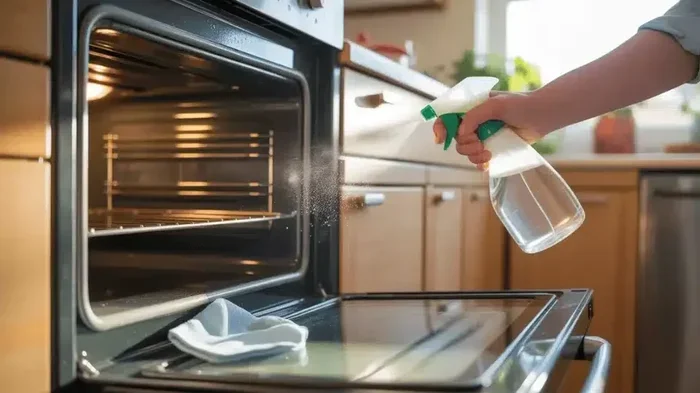
You can easily clean my oven without oven cleaner using baking soda, vinegar, and lemon. These natural oven cleaning hacks are safe, affordable, and work wonders on grease and grime. This guide shares proven oven cleaning hacks that make your oven shine without harsh chemicals.
Have you ever opened your oven and felt your stomach drop at the sight of baked-on grease and grime? We have all been there. The thought of scrubbing for hours is enough to make anyone want to skip the chore entirely. But here is the good news. You do not need a store-bought oven cleaner to get the job done.
There are simple, natural ways to clean my oven without oven cleaner that work just as well. Things like baking soda, vinegar, and lemon can tackle even the toughest stains. These methods are safe, affordable, and free from harsh chemicals. In this guide, we will walk you through every step so your oven looks brand new again.
Whether you have a gas oven or an electric one, these tips apply to all types. You will learn quick oven cleaning hacks that save time and effort. Let us dive in and make your oven sparkle!
Key Takeaways
- Baking soda is a powerhouse: It cuts through tough stains and grease naturally without toxic fumes.
- Vinegar boosts the cleaning power: When paired with baking soda, it creates a fizzy reaction that lifts dirt effortlessly.
- Lemon and water work great too: They offer a fresh scent and gentle cleaning action for your oven interior.
- Steam cleaning is a game changer: It loosens baked-on food spills in minutes with just water and heat.
- Regular maintenance prevents buildup: Wiping down your oven after each use keeps it clean longer.
- No harsh chemicals needed: Natural solutions are safe for your family, pets, and the environment.
📑 Table of Contents
- Why You Should Clean My Oven Without Oven Cleaner
- The Best Natural Ingredients for Oven Cleaning
- Step-by-Step Methods to Clean My Oven Without Oven Cleaner
- How to Clean Oven Racks Without Oven Cleaner
- How to Clean the Oven Door Glass
- Quick Tips for Maintaining a Clean Oven
- Common Mistakes to Avoid When Cleaning My Oven Without Oven Cleaner
- Expert Insights on Natural Oven Cleaning
- When to Call a Professional
- Conclusion
Why You Should Clean My Oven Without Oven Cleaner
Many commercial oven cleaners contain strong chemicals that can be harmful. They release fumes that linger in your kitchen and even settle on your cookware. If you have kids or pets at home, this is a real concern. Switching to a natural cleaning solution keeps your family safe.
Natural methods also save you money. Baking soda and vinegar cost just a few dollars and can be found in almost every kitchen. You do not need to run to the store for a specialized product. Plus, these ingredients are gentle on your oven surfaces. They will not scratch or damage the interior like some harsh sprays might.
Health and Safety Benefits
Using a non-toxic cleaner means you avoid breathing in dangerous fumes. Traditional oven cleaners often contain lye and other corrosive substances. These can irritate your skin, eyes, and lungs. Natural alternatives like baking soda and lemon are completely food-safe. You can use them without worrying about chemical residue touching your food.
Environmental Impact
Every household product you use eventually goes down the drain. Harsh chemicals can harm water systems and wildlife. By choosing natural oven cleaning hacks, you reduce your environmental footprint. It is a small change that makes a big difference over time.
The Best Natural Ingredients for Oven Cleaning
Before you start, gather these simple household items. Each one plays a specific role in breaking down grease and grime. You probably already have most of them in your pantry.
Baking Soda
Baking soda is the star of natural oven cleaning. It is a mild abrasive that scrubs away dirt without scratching surfaces. When mixed with water, it forms a thick paste that clings to oven walls. This paste breaks down burnt food residue and hardened grease over time.
White Vinegar
White vinegar is a natural degreaser and disinfectant. It cuts through grease and grime with ease. When you spray vinegar on baking soda, the fizzy reaction helps lift stubborn stains. This makes it one of the most effective oven cleaning hacks you can use.
Lemon and Water
Lemon is a natural deodorizer and cleaner. Its citric acid helps dissolve grease and food spills. Adding lemon to water and heating it in the oven creates steam that loosens baked-on messes. Your oven will also smell amazing afterward.
Dish Soap
A few drops of dish soap add extra cleaning power to your natural solutions. It works well when mixed with baking soda to form a paste. Dish soap helps break down oily residue that baking soda alone might not fully remove.
Hydrogen Peroxide
Hydrogen peroxide is a mild bleaching agent. It helps whiten and brighten stained oven surfaces. It works especially well on discolored spots inside the oven interior. Use it with caution and always test a small area first.
Cleaning Cloth and Scrubber
A soft cleaning cloth or non-abrasive scrubber is essential for wiping and scrubbing. Avoid steel wool or harsh pads that can scratch your oven surfaces. A microfiber cloth works great for gentle yet effective cleaning.
Step-by-Step Methods to Clean My Oven Without Oven Cleaner
Now that you have your ingredients ready, let us get into the actual cleaning methods. Each approach targets different levels of dirt and grime. Pick the one that suits your needs best.
Method 1: The Baking Soda Paste Method
This is the most popular and effective oven cleaning hack. It works well on moderate to heavy buildup.
Step 1: Remove the oven racks. Set them aside for separate cleaning.
Step 2: Mix three-quarters of a cup of baking soda with a few tablespoons of water. Stir until you get a thick paste. The consistency should be like a spreadable toothpaste.
Step 3: Put on gloves and spread the paste inside the oven. Avoid the heating elements. Focus on the walls, floor, and ceiling of the oven interior. Cover all areas with grease or stains.
Step 4: Let the paste sit overnight. This gives it time to break down the burnt food residue and hardened grease.
Step 5: The next morning, use a damp cleaning cloth to wipe away the paste. The grime should come off easily. You may need to scrub gently for tough spots.
Step 6: Spray white vinegar inside the oven. The fizzing action will lift any remaining residue. Wipe clean with a fresh damp cloth.
Step 7: Replace the clean oven racks and you are done!
Method 2: The Lemon Steam Cleaning Method
This method is perfect for light to moderate cleaning. It also leaves your oven smelling fresh and clean.
Step 1: Fill a baking dish with water and squeeze in two lemons. Drop the lemon halves into the water as well.
Step 2: Place the dish on the bottom rack of your oven.
Step 3: Heat the oven to 200 degrees Fahrenheit. Let it run for about 30 minutes. The steam will loosen grease and food spills.
Step 4: Turn off the oven and let it cool slightly. The steam will have softened the grime.
Step 5: Wipe the interior with a damp cleaning cloth. Most of the mess should wipe away with little effort.
Step 6: For any remaining spots, apply a small amount of baking soda paste and scrub gently.
Method 3: The Vinegar and Baking Soda Combo
This method uses the chemical reaction between vinegar and baking soda to power through tough stains.
Step 1: Sprinkle baking soda generously over the oven floor and walls.
Step 2: Pour white vinegar into a spray bottle and mist the baking soda. Watch the fizzy reaction work its magic.
Step 3: Let the mixture sit for 15 to 20 minutes.
Step 4: Scrub the surfaces with a damp cleaning cloth. The loosened grime will come off quickly.
Step 5: Wipe down with a clean, damp cloth to remove any residue.
Method 4: Steam Cleaning for the Self-Cleaning Oven
If you have a self-cleaning oven, you can still use steam to maintain it between cycles. This keeps the oven interior in great shape without running the full self-cleaning cycle, which uses very high temperatures.
Step 1: Place a oven-safe dish filled with water on the bottom rack.
Step 2: Set the oven to 250 degrees Fahrenheit and let it run for 15 minutes.
Step 3: Turn off the heat and let the steam do its work for another 15 minutes.
Step 4: Open the door and wipe the interior with a damp cloth. The steam will have softened any grease or food spills.
Step 5: For stubborn spots, apply a bit of dish soap to your cloth and gently scrub.
How to Clean Oven Racks Without Oven Cleaner
Oven racks often accumulate the worst grease and grime. They are removable, which makes them easier to clean separately. Here are two great methods for oven rack cleaning.
The Baking Soda Bath Method
Fill your bathtub or a large sink with warm water. Add half a cup of baking soda and a few drops of dish soap. Submerge the oven racks and let them soak for at least four hours. The baking soda and water combination will soften the burnt-on grease. After soaking, scrub the racks with a non-abrasive scrubber. Rinse them thoroughly and dry them completely before placing them back in the oven.
The Bag Method
This method is great for heavy-duty oven rack cleaning. Place the racks inside a large garbage bag. Add a cup of baking soda and seal the bag. Shake the bag vigorously for a few minutes. The baking soda will scrub the racks as they move around inside the bag. Remove the racks, rinse them off, and wipe them clean.
How to Clean the Oven Door Glass
The oven door glass can get really dirty over time. Grease splashes and food spills create a hazy film that is hard to see through. Here is how to tackle it without oven cleaner.
Make a paste of baking soda and water. Spread it generously over the glass door. Let it sit for 15 to 20 minutes. Then, spray white vinegar over the paste. The fizzing reaction will help break down the grime. Use a damp cleaning cloth to wipe the glass clean. For really tough spots, add a little hydrogen peroxide to your cloth and scrub gently. Finish by wiping the glass with a clean, damp cloth to remove any residue.
Quick Tips for Maintaining a Clean Oven
Prevention is always easier than cleaning. Follow these simple oven cleaning hacks to keep your oven in great shape between deep cleans.
- Line the bottom with foil: Place a sheet of aluminum foil on the oven floor to catch food spills. Just make sure it does not touch the heating elements.
- Wipe spills immediately: When food bubbles over, clean it up right away while it is still warm and soft.
- Use oven-safe lids: Cover dishes that tend to splash to prevent grease splatter on the oven interior.
- Run a steam clean monthly: Heat a bowl of water with lemon for 15 minutes once a month. This keeps grease from building up.
- Check your oven temperature: An oven that runs too hot can burn food more quickly, creating more residue and stains.
Common Mistakes to Avoid When Cleaning My Oven Without Oven Cleaner
Even with natural methods, there are some pitfalls to watch out for. Avoid these common mistakes to get the best results.
- Using too much water: Excess water can damage oven components. Always use damp cloths, not soaking wet ones.
- Skipping the soaking step: Letting the baking soda paste sit overnight is crucial. Rushing this step means you will scrub harder and get less results.
- Using abrasive scrubbers: Steel wool and rough pads can scratch the oven interior. Stick to soft cloths and gentle scrubbers.
- Forgetting the racks: Clean the racks separately for a truly spotless oven. Neglecting them leaves dirty spots when you close the door.
- Not ventilating the kitchen: Even with natural ingredients, open a window or turn on the fan while cleaning. Good airflow helps with any mild fumes.
Expert Insights on Natural Oven Cleaning
Professional cleaners and home economists agree that natural methods are highly effective for most oven cleaning needs. According to cleaning experts, the key is patience. Letting the baking soda paste sit long enough allows it to penetrate and break down tough stains. Rushing the process is the number one mistake people make.
Experts also recommend doing a light clean every two weeks. This prevents heavy buildup that requires deep scrubbing. A quick wipe-down with a damp cloth after each use goes a long way. It keeps the oven interior looking good and reduces the need for intense cleaning sessions.
For those with a self-cleaning oven, experts suggest running the self-clean cycle once or twice a year. Between cycles, use the steam method to maintain cleanliness. This approach extends the life of your oven and reduces wear from frequent high-heat cleaning cycles.
When to Call a Professional
Most oven cleaning tasks can be handled with natural methods. However, there are times when professional help makes sense. If your oven has a thick layer of carbon buildup that will not budge, a professional may be needed. Similarly, if you notice damage to the oven interior or malfunctioning heating elements, it is best to consult a technician. Never use abrasive tools or harsh chemicals on a damaged oven surface.
Conclusion
Cleaning my oven without oven cleaner is easier than you might think. With simple ingredients like baking soda, vinegar, lemon, and dish soap, you can tackle any level of grease and grime. These natural oven cleaning hacks are safe, affordable, and effective. They keep your family and pets protected from harsh chemicals while delivering sparkling results.
Remember to maintain your oven regularly with quick wipe-downs and monthly steam cleans. This prevents heavy buildup and makes each cleaning session faster and easier. Whether you use the baking soda paste method, the lemon steam method, or the vinegar combo, you now have all the tools you need.
Start with one of these methods today and see the difference for yourself. A clean oven is not just about looks. It also helps your oven cook more efficiently and last longer. Happy cleaning!
Frequently Asked Questions
Can I use baking soda and vinegar together to clean my oven?
Yes, absolutely. Baking soda and vinegar work together as one of the best natural oven cleaning combinations. The fizzy reaction helps lift grease and grime from the oven interior. Apply baking soda paste first, then spray vinegar on top for the best results.
How often should I clean my oven without using chemical cleaners?
It is best to do a light cleaning every two weeks and a deep clean once a month. Regular maintenance prevents heavy grease buildup and makes the job much easier. Simple wipe-downs after spills go a long way in keeping your oven clean.
Is it safe to use lemon in the oven for cleaning?
Yes, lemon is completely safe and natural. It acts as a gentle degreaser and leaves a fresh scent behind. Heating lemon water in the oven creates steam that loosens food spills and grease without any harsh chemicals.
What is the best way to clean oven racks naturally?
The baking soda bath method works wonders for oven racks. Soak them in warm water with baking soda and dish soap for several hours. Then scrub with a soft brush or cloth. This removes even the toughest burnt-on residue without using oven cleaner sprays.
Can I clean my self-cleaning oven with natural methods?
Yes, you can use natural methods between self-cleaning cycles. Steam cleaning with lemon and water is a great way to maintain a clean oven interior. This reduces the need to run the full self-cleaning cycle frequently, which can wear out oven components over time.
How long does the baking soda paste need to sit in the oven?
For best results, let the baking soda paste sit overnight. This gives it enough time to penetrate and break down hardened grease and burnt food residue. The longer it sits, the easier the wipe-down will be the next morning.
=== SEO Title ===
How Can I Clean My Oven Without Oven Cleaner Naturally
=== META TITLE ===
How to Clean My Oven Without Oven Cleaner Naturally
=== URL SLUG ===
clean-oven-without-oven-cleaner-naturally