How To Cook Frozen Halibut In The Oven The Easy Way
Learn how to cook frozen halibut in the oven for a perfectly flaky, juicy meal. This easy method skips thawing and delivers restaurant-quality results in under 30 minutes. You’ll discover the best temperature, seasoning tips, and how to avoid dry fish. It’s the simplest weeknight dinner idea you’ll ever use.
Have you ever forgotten to take the fish out of the freezer? You open the freezer and see that frozen halibut staring back at you. Suddenly, dinner plans feel ruined. But they are not. You can cook frozen halibut in the oven with amazing results. This method is simple, fast, and foolproof. It saves you time and still delivers a delicious meal.
Many people think you must thaw fish before cooking. That is not true. Cooking frozen halibut in the oven works beautifully. The fish stays moist and flaky. You just need the right temperature and a little patience. In this guide, I will show you exactly how to do it. You will learn the steps, the best tools, and common mistakes to avoid. By the end, you will never worry about a frozen fish again.
Key Takeaways
- Skip Thawing: You can cook frozen halibut directly from the freezer with great results.
- Perfect Temperature: Bake at 400°F for 20-25 minutes for a juicy, flaky texture.
- Season Simply: Olive oil, garlic, lemon, and herbs elevate the fish without fuss.
- Check Doneness: The internal temperature should reach 145°F for food safety.
- Rest Before Serving: Let the fish rest for 5 minutes to lock in moisture.
- Versatile Recipe: This method works for both halibut fillets and steaks.
📑 Table of Contents
Why Cooking Frozen Halibut In The Oven Is A Great Idea
Oven-baked frozen halibut is one of the easiest dinner solutions. It requires almost no prep work. You also get consistent, restaurant-quality results. The dry heat of the oven gently thaws and cooks the fish at the same time. This keeps the texture tender. Let us look at why this approach is so popular.
The Benefits Of Skipping Thawing
Thawing fish can take hours. You have to plan ahead and remember to move it to the fridge. With the oven method, you skip that step entirely. The frozen fillet goes straight from the freezer to a hot pan or baking dish. This saves you 30 minutes or more of waiting. It also reduces the risk of bacteria growth that can happen during improper thawing on the counter.
Another benefit is moisture retention. When you cook fish from frozen, the ice crystals slowly release steam. That steam helps keep the flesh juicy. The oven’s steady heat then cooks the fish evenly. You end up with a flaky, tender piece of fish. It is hard to achieve that with rushed thawing methods.
When You Need A Quick Weeknight Dinner
Busy evenings call for simple recipes. How to cook frozen halibut in the oven fits perfectly into a hectic schedule. You can pull the fish out while the oven preheats. In less than 15 minutes, you can have a seasoned fillet in the oven. While it bakes, you can set the table or chop a salad. Dinner is ready in about 30 minutes total. This makes it an ideal choice for families and solo cooks alike.
| Fish Type | Thickness | Oven Temp | Cook Time (Frozen) | Cook Time (Thawed) |
|---|---|---|---|---|
| Halibut Fillet | 1 inch | 400°F | 22-25 min | 12-15 min |
| Halibut Steak | 1.5 inches | 400°F | 25-28 min | 15-18 min |
| Halibut Fillet | 0.75 inch | 400°F | 18-20 min | 10-12 min |
As you can see, cooking frozen halibut takes a bit longer than thawed fish. But the difference is small. The extra time is well worth the convenience.
Essential Equipment And Ingredients
Before you start, gather a few simple items. You do not need any fancy kitchen gear. A basic oven-safe dish or baking sheet works perfectly. The right ingredients will turn a plain frozen fillet into a flavorful dish.
What You’ll Need In Your Kitchen
- Oven-safe baking dish or sheet pan: A glass or ceramic dish is great. A lined sheet pan also works well.
- Parchment paper or aluminum foil: This prevents sticking and makes cleanup easy.
- Olive oil or melted butter: A small amount adds moisture and richness.
- Salt and black pepper: The basic seasoning every fish needs.
- Garlic cloves or garlic powder: Fresh garlic gives a wonderful aroma.
- Lemon slices or lemon zest: Brightens the flavor of the halibut.
- Fresh herbs like dill or parsley: They add a fresh, aromatic touch.
Flavor Boosters For Frozen Halibut
Frozen fish can taste a bit bland if you do not season it well. The key is to add flavor on top and underneath. A simple lemon butter sauce is a classic choice. Mix melted butter with minced garlic and a squeeze of lemon. Brush this mixture over the frozen fillet before baking. The butter melts slowly and penetrates the fish. It creates a rich, silky finish. You can also add a sprinkle of paprika or smoked paprika for a smoky kick. Fresh dill pairs beautifully with halibut. A little dried oregano works too. Keep it simple and let the fish be the star.
Step-by-Step Directions For Oven-Baked Frozen Halibut
Now let us get into the actual cooking process. Follow these steps for perfect results every time. Learning how to cook frozen halibut in the oven is easier than you think.
Preheat And Prep The Pan
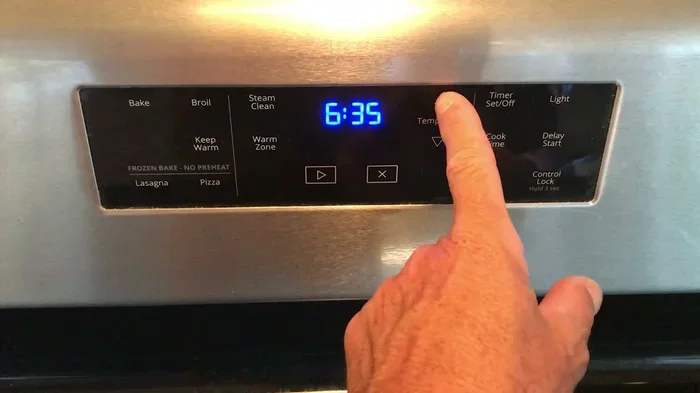
First, preheat your oven to 400°F. While the oven heats up, line your baking dish with parchment paper. This step is optional but very helpful. It keeps the fish from sticking and makes cleanup a breeze. Lightly grease the parchment with a little olive oil. You do not need a lot. Just a thin layer will do.
Seasoning The Fish Properly
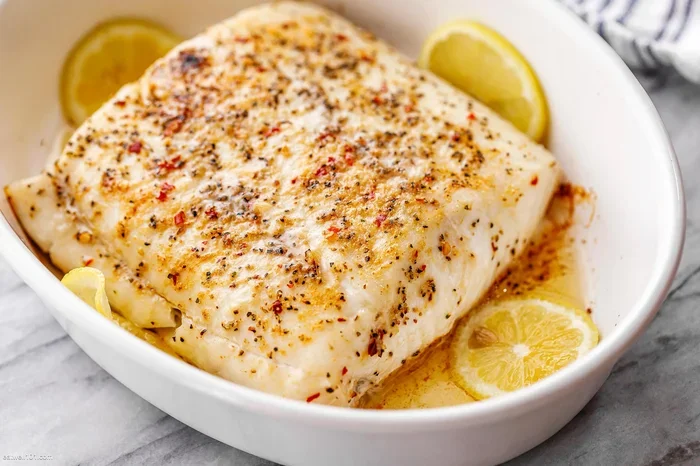
Take your frozen halibut fillet directly from the freezer. Do not rinse it under water. Rinsing can make the surface waterlogged, which leads to steaming instead of baking. Pat the fish dry with a paper towel if there is any surface ice. Then place the fillet in the prepared dish. Drizzle with olive oil or melted butter. Sprinkle salt, pepper, and your chosen herbs over the top. If you are using lemon slices, place them on and around the fish. The goal is to cover the surface lightly. You want flavor without overwhelming the delicate fish.
Baking Time And Temperature
Place the dish in the preheated oven on the middle rack. Bake for 20 to 25 minutes for a 1-inch thick fillet. If your fillet is thicker, add a few extra minutes. The oven heat will slowly thaw the center while cooking the outside. You will notice the fish turning opaque as it cooks. The edges should appear white and flaky. The center might still look slightly translucent when it comes out. That is normal. The resting step will finish the job.
How To Know It’s Done
The most reliable way to check doneness is with a meat thermometer. Insert it into the thickest part of the fillet. The internal temperature should read 145°F. If you do not have a thermometer, use the flake test. Gently press the top of the fish with a fork. It should flake easily and look opaque all the way through. If it still looks translucent in the middle, return it to the oven for 2-3 more minutes. Do not overcook it. Frozen fish can go from perfect to dry quickly in the last few minutes.
Tips For Perfect Texture And Flavor
Getting the best results from oven-baked frozen halibut comes down to a few small details. These tips will help you avoid common pitfalls and elevate the dish.
Avoiding Dry, Tough Fish
The biggest enemy of baked fish is overcooking. Because frozen fish takes longer to cook, it is easy to leave it in the oven too long. Set a timer for 20 minutes and check early. Another key tip is to not skip the fat. Olive oil or butter creates a protective layer around the fish. It slows down moisture loss. If you are watching calories, a light spray of olive oil is enough. You can also add a splash of broth or white wine to the bottom of the dish. The steam created in the oven keeps the fish moist. Never bake frozen halibut without any fat or liquid.
Adding A Delicious Topping
For extra flavor, add a topping during the last 5 minutes of baking. A mix of breadcrumbs, parmesan cheese, and chopped herbs creates a crispy crust. Mix 1/4 cup of breadcrumbs with 2 tablespoons of grated parmesan and a tablespoon of melted butter. Sprinkle this over the fish after it has baked for 20 minutes. Return it to the oven for 5 more minutes. The topping will turn golden and crunchy. It adds a wonderful textural contrast to the tender fish inside. This is a great way to make frozen halibut feel like a special meal.
Common Mistakes To Avoid
Even simple recipes have pitfalls. Knowing what to avoid will save you from a tough, dry dinner. Here are the most common mistakes people make when cooking frozen halibut.
Overcooking Frozen Fish
This is the number one mistake. Frozen fish already takes a bit longer to cook. But once it reaches 145°F, it continues to cook from residual heat. Pulling it out a few degrees early is okay. The resting period will bring it up to the safe temperature. If you wait for the center to look completely opaque in the oven, you will likely overcook it. The fish will become chalky and lose its moisture. Use a timer and a thermometer to stay on track.
Skipping The Resting Period
When the fish comes out of the oven, do not cut into it right away. Let it rest for 5 minutes on the counter. This allows the juices to redistribute throughout the fillet. If you cut immediately, the juices run out onto the plate. The fish ends up looking dry even if it was cooked perfectly. Cover it loosely with foil during resting to keep it warm. That small wait makes a big difference in the final texture.
Using A Cold Pan
Never place frozen fish directly into a cold, ungreased pan. The fish will stick and cook unevenly. Always preheat the oven and have your pan ready. A hot surface helps start the cooking process immediately. It also helps achieve a slightly crispy exterior. If you are using a baking dish, warming it slightly in the oven before adding the fish can also help.
Serving Suggestions And Variations
Now that your halibut is perfectly baked, it is time to serve it. The right sides can turn this simple dish into a complete meal. You can also change up the seasoning to match your mood.
Pairing With The Right Sides
Halibut is a mild, versatile fish that pairs well with many flavors. Roasted asparagus or steamed green beans make excellent vegetable companions. A side of garlic mashed potatoes adds comfort and heartiness. For a lighter meal, serve it over a bed of mixed greens or quinoa. A squeeze of fresh lemon juice right before serving brightens everything. A simple dill yogurt sauce also works wonders. Mix plain Greek yogurt with chopped dill, a pinch of salt, and a tiny bit of lemon zest. Spoon it over the fish or serve it on the side.
Different Seasoning Profiles
You can easily change the flavor profile of your frozen halibut. Try a Mediterranean twist with olive oil, sun-dried tomatoes, kalamata olives, and fresh basil. For a spicy kick, add a pinch of cayenne pepper and smoked paprika. Asian-inspired flavors work great too. Use a drizzle of soy sauce, sesame oil, and a sprinkle of sesame seeds. The possibilities are endless. Once you master the basic method, you can experiment freely. The oven does the hard work for you.
The Easiest Way To Cook Frozen Halibut In The Oven
Let us recap the simplest approach. This is the foolproof method you can follow every single time. Start by preheating your oven to 400°F. Line a baking dish with parchment paper. Take your frozen halibut fillet and place it in the dish. Drizzle with olive oil and season with salt, pepper, garlic, and lemon slices. Bake for 22-25 minutes. Check the internal temperature at 145°F. Let the fish rest for 5 minutes. Serve with your favorite sides. That is it. No thawing, no fuss, no stress. This method guarantees juicy, flaky frozen halibut every time.
Learning how to cook frozen halibut in the oven is a kitchen skill you will use again and again. It saves time, reduces waste, and produces consistently great food. Whether you are a beginner or a seasoned cook, this technique will become a staple in your meal rotation. The next time you see frozen halibut in your freezer, do not panic. Just follow these steps and enjoy a delicious, homemade dinner.
Frequently Asked Questions
Can you cook halibut from frozen in the oven?
Yes, absolutely. You can cook frozen halibut directly in the oven without thawing it first. Simply increase the cooking time by a few minutes compared to thawed fish. Baking at 400°F for 20-25 minutes works perfectly for a standard 1-inch thick fillet. The key is to check the internal temperature to ensure it reaches 145°F.
How long does it take to bake frozen halibut?
It typically takes 20 to 28 minutes at 400°F. The exact time depends on the thickness of the fillet or steak. A thinner fillet may be done in 18-20 minutes, while a thicker steak could need 25-28 minutes. Always use a meat thermometer to check for doneness rather than relying solely on the timer.
Do you need to thaw halibut before baking?
No, you do not need to thaw halibut before baking it in the oven. Cooking it from frozen actually helps retain moisture and prevents the fish from falling apart. The oven’s gentle heat thaws and cooks the fish evenly. Just make sure to season it well and check the internal temperature.
What is the best temperature to cook frozen halibut?
The best temperature is 400°F. This high heat quickly sears the outside of the fish while the inside thaws and cooks. It creates a nice, slightly crispy exterior while keeping the inside tender and juicy. Avoid lower temperatures, as they can cause the fish to steam and become mushy.
How do you keep frozen halibut from drying out?
To keep frozen halibut moist, use a little olive oil or melted butter before baking. Adding lemon slices or a splash of broth to the dish also helps. Do not overcook the fish. Pull it out when it reaches 140°F internally, as it will continue to cook during the resting period. Letting it rest for 5 minutes also helps the juices settle.
Can you use foil or parchment paper for baking frozen halibut?
Yes, both work well. Parchment paper is the best choice because it prevents sticking without the risk of the fish sticking to the foil if it gets too hot. If you use foil, lightly grease it with oil first. Lining your pan makes cleanup much easier and helps the fish cook more evenly.
=== CONCLUSION ===
Cooking frozen halibut in the oven is one of the simplest and most reliable dinner methods you can learn. It saves you time, reduces food waste, and delivers a delicious, flaky result. You now know the right temperature, the perfect timing, and the common mistakes to avoid. The next time you find a frozen fillet in your freezer, you will feel confident and prepared. Just preheat the oven, season the fish, and let the heat do the work. With a little practice, you will whip up this healthy, satisfying meal in no time. Enjoy your oven-baked frozen halibut and the ease it brings to your kitchen.