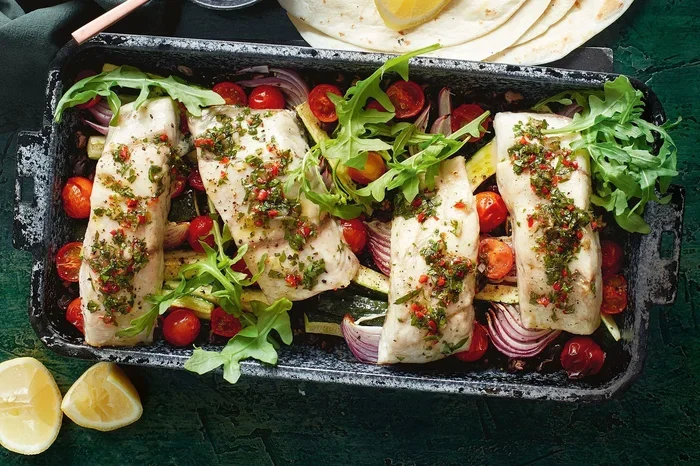
How Long To Cook Barramundi Fillets In Oven Perfectly
This guide shows you exactly how long to cook barramundi fillets in oven for perfect results. You’ll learn the ideal temperature, timing, and tips to get crispy skin and tender flesh every time. Say goodbye to dry fish and hello to a delicious, easy oven-baked meal.
There’s something magical about how long to cook barramundi fillets in oven. It’s a question many home cooks ask because barramundi is a beautiful, mild-flavored fish that turns out perfectly tender when you get the time and temperature right. Whether you’re a busy weeknight cook or a weekend foodie, learning to bake barramundi in the oven opens up a world of simple, healthy meals.
This guide walks you through everything you need to know. You’ll discover the exact oven temperature, the ideal cooking time for different fillet thicknesses, and the little tricks that make the skin crispy and the flesh flaky. I’ll share flavor ideas, common mistakes, and serving tips so you can make this oven-baked barramundi recipe your own. By the end, you’ll feel confident pulling a beautiful, golden fillet from your oven every single time.
Key Takeaways
- 200°C (400°F) is the sweet spot for oven-baked barramundi, delivering crispy skin and flaky flesh in just 12–15 minutes.
- Thickness matters most – fillets under 2 cm cook in 10–12 minutes, while thicker cuts need 15–20 minutes.
- Pat the fish dry before seasoning to achieve perfectly crispy skin and prevent steaming.
- Use a meat thermometer to check that the internal temperature reaches 63°C (145°F) for safe, tender fish.
- Simple seasonings like lemon, garlic, and herbs elevate the natural flavor without overpowering the delicate flesh.
- Avoid overcooking by pulling the fillets out when they just turn opaque and flake easily with a fork.
📑 Table of Contents
Why Oven-Baked Barramundi Is a Winner
Oven-baked barramundi is one of the easiest healthy seafood recipes you can make. It requires almost no prep, uses minimal oil, and delivers restaurant-quality results. The gentle, even heat of an oven cooks the fish through without drying it out, especially when you keep an eye on the cooking time.
Health Benefits of Barramundi
Barramundi is a flaky white fish packed with protein and omega-3 fatty acids. It’s low in saturated fat and calories, making it a fantastic choice for a balanced diet. Baking it in the oven preserves these nutrients better than frying. A single fillet gives you a satisfying, heart-healthy meal that the whole family will love.
Why the Oven Works So Well
Unlike a stovetop, an oven surrounds the fish with consistent heat. This means the barramundi fillets cook evenly from edge to center. You can pop them in the oven while you prepare a quick salad or roast some vegetables. The simple weeknight dinner potential is huge. Plus, baking allows the skin to crisp up beautifully if you start with skin-on fillets.
How Long To Cook Barramundi Fillets In Oven: The Perfect Method
The answer to how long to cook barramundi fillets in oven depends on a few factors. The most important one is thickness. A thin fillet needs less time than a thick cut. But the good news is that the general rule is simple and forgiving. Let’s break it down.
Ideal Oven Temperature
Set your oven to 200°C (400°F). This is the perfect temperature for baking fish because it’s hot enough to crisp the skin and sear the outside, but not so hot that it dries out the delicate flesh. If you like a slower, more gentle cook, you can drop the temperature to 180°C (350°F) and add a few extra minutes. The oven temperature of 200°C remains the most popular choice for a crispy finish.
Cooking Time Based on Thickness
Here’s a handy guide for oven-baked barramundi timing. Use this table as a starting point, then check the fish for doneness.
| Fillet Thickness | Cooking Time at 200°C (400°F) | Internal Temperature |
|---|---|---|
| Under 2 cm (¾ inch) | 10–12 minutes | 63°C (145°F) |
| 2–3 cm (¾–1¼ inches) | 12–15 minutes | 63°C (145°F) |
| Over 3 cm (1¼ inches) | 15–20 minutes | 63°C (145°F) |
These times assume you’re using a single layer of fillets on a baking tray. If you stack them or crowd the pan, add a couple of minutes. Always let the oven preheat fully before the fish goes in. A hot oven is the secret to crispy skin and a tender interior.
Quick Tip for Perfect Timing
Quick Tip: Set a timer for the minimum time, then check the fish. The flesh should turn opaque and flake easily with a fork. If it still looks translucent in the center, give it another 2–3 minutes. Overcooked barramundi becomes dry and chalky, so it’s better to pull it out a little early. The residual heat will continue cooking it gently on the hot tray.
Step-by-Step Instructions for Perfect Barramundi
Now that you know the cooking time and temperature, let’s walk through the process. This method works for both skin-on and skinless barramundi fillets. I’ll show you how to get the best results every time.
Preheat and Prep
First, preheat your oven to 200°C (400°F). While the oven heats, line a baking tray with parchment paper or lightly grease it with olive oil. This prevents sticking and makes cleanup a breeze. If you’re using skin-on fillets, pat them completely dry with paper towels. Moisture is the enemy of crispy skin, so don’t skip this step.
Seasoning Options
Barramundi has a mild, buttery flavor that pairs well with simple seasonings. Here are a few easy combinations:
- Classic Lemon Herb: Drizzle with olive oil, squeeze fresh lemon juice, and sprinkle with chopped dill, parsley, and a pinch of salt and pepper.
- Garlic Butter: Melt a small knob of butter with minced garlic and a dash of paprika. Brush it over the fillets for a rich, savory finish.
- Mediterranean Style: Top with sliced cherry tomatoes, Kalamata olives, capers, and a sprinkle of dried oregano.
Keep it light. A thin layer of seasoning is enough. You want the natural taste of the flaky white fish to shine through.
The Baking Process
Place the seasoned fillets on the prepared tray, leaving space between them. Slide the tray into the preheated oven and set your timer. For fillets under 2 cm, bake for 10–12 minutes. For thicker cuts, go 12–15 minutes. At the 10-minute mark, open the oven and check the fish. The top should look set and slightly golden. If the skin isn’t crispy enough, you can switch to broil for the last 1–2 minutes, but watch it closely to avoid burning.
Resting the Fish
Once the internal temperature hits 63°C (145°F), remove the tray from the oven. Let the fillets rest for 2–3 minutes before serving. This resting period allows the juices to redistribute, making every bite moist and tender. You’ll notice the flesh turns from translucent to opaque white and flakes apart gently.
Flavor Variations and Seasoning Ideas
One of the best things about oven-baked barramundi is how versatile it is. You can change the flavors to match any cuisine without changing the cooking time. Here are three delicious variations to try.
Lemon Herb Crust
Mix breadcrumbs with lemon zest, chopped fresh thyme, and a drizzle of olive oil. Spread this mixture over the fillets during the last 5 minutes of baking. The crust turns golden and crispy, adding a wonderful texture to the soft fish inside. This is a great way to get kids to eat their healthy seafood.
Spicy Asian Glaze
Whisk together soy sauce, honey, grated ginger, and a splash of sriracha. Brush the glaze over the fillets before baking and again halfway through. The sweetness and heat create a sticky, flavorful coating that pairs perfectly with steamed rice and stir-fried vegetables. It’s a simple weeknight dinner that feels like a takeout treat.
Mediterranean Style
Layer thin slices of zucchini, red onion, and bell peppers on the baking tray. Place the barramundi fillets on top and drizzle with a little olive oil and lemon juice. Bake everything together. The vegetables roast alongside the fish, soaking up the juices. Serve it straight from the tray for a rustic, colorful meal.
Common Mistakes to Avoid When Baking Barramundi
Even with a great recipe, small mistakes can lead to disappointing results. Here are the most common pitfalls and how to avoid them.
Overcooking the Fish
Barramundi dries out quickly if left too long in the oven. The cooking time I shared is a guide, but every oven is slightly different. Start checking at the minimum time. A properly cooked fillet will be opaque throughout and moist. If the flesh looks dry or the edges are chalky, you’ve left it in too long. Use a meat thermometer to take the guesswork out.
Skipping the Pat Dry
If you want crispy skin, you must dry the fillets thoroughly. Moisture creates steam, which prevents the skin from crisping and can make it soggy. After rinsing the fish, pat it firmly with paper towels. For extra crispiness, you can even let the fillets rest uncovered in the fridge for 30 minutes before baking. This dries the surface further.
Wrong Pan Choice
Avoid using a dark, non-stick pan for baking fish. Dark pans absorb more heat and can scorch the bottom of the fillets. A light-colored baking tray or a glass baking dish works best. If you want to elevate the fish, use a wire rack set over a tray. The air circulates underneath, giving you evenly crispy skin on both sides.
Crowding the Pan
Give each fillet at least 5 cm of space. Crowding traps steam and leads to uneven cooking. If you’re cooking more than two fillets, use two trays or bake in batches. The extra few minutes of waiting is worth the perfectly tender fish you’ll get.
Serving Suggestions and Pairings
A beautiful baked barramundi fillet deserves the right companions. Keep the sides light and fresh to let the fish shine. Here are some ideas that work with any of the flavor variations above.
Best Side Dishes
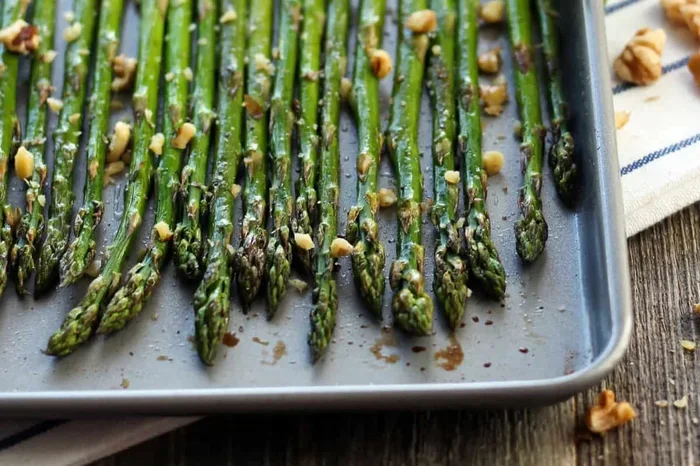
- Roasted vegetables: Asparagus, broccoli, or zucchini roasted with olive oil and a squeeze of lemon complement barramundi perfectly.
- Light salad: A mixed green salad with avocado, cucumber, and a lemon vinaigrette adds crunch and freshness.
- Rice or quinoa: A fluffy bed of jasmine rice or herbed quinoa soaks up the juices and makes the meal more filling.
- Mashed sweet potato: Creamy, slightly sweet mashed sweet potato pairs beautifully with the mild, buttery fish.
Sauces to Drizzle
A simple sauce can turn a baked fillet into a gourmet dish. Try a lemon butter sauce made by melting butter with lemon juice, capers, and a pinch of salt. A drizzle of good-quality extra virgin olive oil and a sprinkle of flaky sea salt right after baking also works wonders. For something creamy, a dollop of dill yogurt or a spicy aioli on the side adds a lovely contrast.
Key Takeaways
- 200°C (400°F) for 12–15 minutes is the golden rule for oven-baked barramundi fillets, yielding crispy skin and tender flesh.
- Thickness dictates time – thin fillets need 10–12 minutes, thick ones 15–20 minutes. Always check for doneness.
- Pat the fish dry and use parchment paper to ensure the skin crisps up and cleanup is easy.
- Simple seasonings like lemon, garlic, and herbs let the natural flavor of the flaky white fish shine.
- Avoid overcooking by using a meat thermometer and pulling the fish out at 63°C (145°F). Rest for 2–3 minutes before serving.
- Experiment with flavors – from spicy Asian glazes to Mediterranean veggies – barramundi is a blank canvas for your creativity.
Conclusion
Mastering how long to cook barramundi fillets in oven is easier than you think. With the right temperature, a little patience, and these simple tips, you can bake a beautiful, crispy-skinned fillet that’s tender and full of flavor. The cooking time is forgiving, and the results are always impressive. Whether you’re serving it for a quick Tuesday dinner or a special weekend meal, oven-baked barramundi never disappoints.
Remember to dry the fish, keep an eye on the internal temperature, and let it rest before serving. These small steps make a big difference. Now that you have the method and the variations, you can make this healthy seafood recipe your own. Get into the kitchen, preheat that oven, and enjoy the simple pleasure of a perfectly baked piece of fish. You’ll wonder why you ever settled for anything else.
Frequently Asked Questions
Can you cook barramundi from frozen in the oven?
Yes, you can. Thaw the fillets in the fridge overnight for the best results, but you can also bake them from frozen. Add 5–7 extra minutes to the cooking time and make sure the internal temperature reaches 63°C (145°F) in the thickest part. Pat the frozen fish dry before seasoning to help the skin crisp up.
What is the best internal temperature for barramundi?
The target internal temperature for baked barramundi is 63°C (145°F). At this temperature, the flesh is fully cooked, safe to eat, and still moist. Use an instant-read meat thermometer inserted into the thickest part of the fillet for the most accurate reading. If you don’t have a thermometer, look for opaque, flaky flesh that separates easily with a fork.
How do you know when barramundi is done in the oven?
Check the fish at the minimum cooking time for its thickness. The flesh should turn completely opaque white and start to flake when gently pressed with a fork. The skin should be golden and crispy. If the fish looks translucent in the center or feels mushy, it needs a few more minutes. Overcooked barramundi will look dry and the flakes will fall apart in a mushy way.
Can you use foil when baking barramundi?
You can, but it’s not necessary. Foil traps steam and can prevent the skin from crisping, especially if you’re cooking skin-on fillets. Parchment paper is a better choice because it allows air to circulate. If you’re worried about sticking, a light coating of oil on the tray or a non-stick baking sheet works well. Save the foil for roasting vegetables alongside the fish if you prefer.
What sides go well with oven-baked barramundi?
Barramundi pairs beautifully with light, fresh sides. Try roasted asparagus, a lemon-dressed arugula salad, or steamed rice with herbs. For a heartier meal, serve it with mashed sweet potato or roasted cherry tomatoes. The mild flavor of the flaky white fish complements almost any vegetable or grain, making it a versatile healthy seafood option for any night of the week.
Is barramundi a healthy fish to eat?
Absolutely. Barramundi is a low-calorie, high-protein fish rich in omega-3 fatty acids, which support heart and brain health. Baking it in the oven with minimal oil keeps it a low-fat, nutritious choice. It’s also a sustainable seafood option in many regions. A simple weeknight dinner of oven-baked barramundi with vegetables gives you a balanced, satisfying meal without any guilt.