Can You Cook Pierogies In The Oven And Get Perfect Results
Yes, you can cook pierogies in the oven and get perfectly crispy results every time. This method works for both frozen and fresh pierogies with minimal effort. Learn the best temperature, timing, and topping tricks to turn simple dumplings into a golden, crunchy side dish.
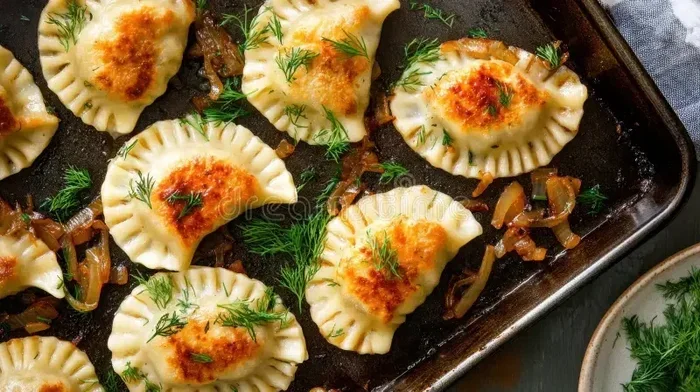
Can You Cook Pierogies In The Oven? The answer is a resounding yes. Many people assume these Eastern European dumplings must be boiled or fried, but your oven can do wonders. Oven-baked pierogies come out with crispy, golden edges and a pillowy, tender center. They require less oil, create fewer dishes, and deliver consistent results every single time. Whether you are feeding a crowd or meal-prepping for the week, baking pierogies in the oven is a simple, hands-off method that anyone can master.
In this guide, we will walk you through everything you need to know. We will cover temperatures, timing, the frozen-versus-fresh debate, and the best toppings. You will also learn common mistakes to avoid so your crispy pierogies turn out perfectly every time. Let us turn your next batch of dumplings into a golden, crunchy comfort food classic.
Key Takeaways
- Oven-baked pierogies are a game-changer: They deliver crispy edges and tender centers with less mess and fewer calories than frying.
- 400°F to 425°F is the sweet spot: This range ensures a golden crust without drying out the filling.
- Frozen pierogies can go straight into the oven: No need to thaw or boil them first, saving you time.
- Fresh pierogies benefit from a quick parboil: This step sets the dough and prevents bursting during baking.
- Butter, onions, and a wire rack are your best friends: They promote even browning and keep the bottoms from getting soggy.
- Toppings make or break the dish: Sour cream, bacon bits, and sautéed mushrooms add layers of flavor that elevate simple dumplings.
📑 Table of Contents
- Can You Cook Pierogies In The Oven? Yes, And Here Is How
- The Best Oven Temperature and Timing for Perfect Pierogies
- Frozen vs. Fresh Pierogies: Which Bakes Better?
- Toppings and Flavor Combos That Elevate Oven-Baked Pierogies
- Common Mistakes to Avoid When Baking Pierogies
- Can You Cook Pierogies In The Oven and Keep Them Crispy?
- Conclusion
Can You Cook Pierogies In The Oven? Yes, And Here Is How
The idea of cooking pierogies in the oven might feel new if you grew up boiling them in a big pot. But the oven method is just as traditional in many Polish and Ukrainian homes. It works by surrounding each dumpling with dry heat, which creates a crispy shell while keeping the inside soft. You do not need any special equipment, just a baking sheet and a little bit of butter or oil.
Oven-baked pierogies are a favorite for weeknight dinners and game day snacks. They pair beautifully with a simple salad or a bowl of sour cream. The best part is that you can bake them from frozen, which makes this a truly no-fuss recipe. Once you try this method, you may never go back to boiling again.
Why Oven-Baked Pierogies Are Worth Trying
There are several reasons to choose the oven over the stovetop. First, baking uses little to no oil. That means healthier pierogies without sacrificing crunch. Second, cleanup is a breeze. A lined baking sheet wipes clean in seconds. Third, you can bake a large batch all at once. This makes oven-baked pierogies ideal for family gatherings or potlucks. Finally, the oven gives you a consistent golden color on all sides, something that is hard to achieve when pan-frying in batches.
The Two Main Methods
You can bake pierogies in two ways. The first is the direct bake, where you place frozen or fresh pierogies straight onto a sheet pan. The second is the two-step method, where you parboil fresh pierogies first, then bake them. Both produce delicious results, but they serve different needs. The direct bake is faster and perfect for frozen dumplings. The two-step method gives fresh pierogies a slightly chewier, more defined texture.
The Best Oven Temperature and Timing for Perfect Pierogies
Getting the oven temperature for pierogies right is the key to success. Too low and they will steam and turn soggy. Too high and the outside will burn before the inside is warm. The ideal range is between 400°F and 425°F. This high heat quickly sets the dough and creates those beautiful, crispy edges we all love.
Ideal Temperature Range
For most oven-baked pierogies, 425°F (220°C) is the sweet spot. It delivers a fast, even crisp without drying out the potato and cheese filling. If you are using a thinner dough or a delicate filling, drop the temperature to 400°F (200°C). This gentler heat allows the inside to warm through before the outside over-browns. Always preheat your oven so the pierogies start cooking the moment they go in.
How Long to Bake Pierogies
Baking time depends on whether your dumplings are frozen or fresh. Here is a simple breakdown:
- Frozen pierogies: Bake for 20 to 25 minutes at 425°F. Flip them halfway through for even browning.
- Fresh parboiled pierogies: Bake for 15 to 20 minutes at 425°F. They need less time because they are already partially cooked.
- Oven-baked pierogies with toppings: Add cheese or bacon in the last 5 minutes so it melts without burning.
Quick Tips for Timing
Set a timer and do not walk away. Pierogies can go from golden to burnt quickly. Use the middle rack for the best air circulation. If you are baking a double batch, use two sheet pans and rotate them halfway through. A simple visual cue helps: look for a deep golden-brown color and a slight puffiness. That tells you your crispy pierogies are ready.
Frozen vs. Fresh Pierogies: Which Bakes Better?
Both frozen and fresh pierogies work wonderfully in the oven, but they require slightly different approaches. Understanding the difference will help you plan your cooking method and get the best texture every time.
Baking Frozen Pierogies Straight from the Freezer
This is the easiest method. You do not need to thaw or boil them. Simply spread your frozen pierogies in a single layer on a parchment-lined baking sheet. Brush them lightly with melted butter or oil. The frozen moisture will steam the inside while the oven heat crisps the outside. The result is a pillowy filling with a crunchy shell. This method is perfect for busy weeknights when you want a comfort food side dish on the table in under 30 minutes.
Fresh Pierogies and the Parboil Step
Fresh pierogies benefit from a quick parboil before baking. Drop them in salted boiling water for 2 to 3 minutes, just until they float to the surface. Remove them with a slotted spoon and let them drain well. This step sets the dough so it does not burst in the oven. After parboiling, you can bake pierogies in the oven at 425°F for about 15 minutes. The texture will be slightly chewier and more substantial than the frozen method.
Comparison Table: Frozen vs. Fresh Pierogies Baking
| Aspect | Frozen Pierogies | Fresh Pierogies |
|---|---|---|
| Do You Need to Boil First? | No | Yes (2-3 minutes) |
| Best Oven Temperature | 425°F (220°C) | 425°F (220°C) |
| Baking Time | 20-25 minutes | 15-20 minutes |
| Texture Result | Crispy outside, soft inside | Chewier, more defined edges |
| Best For | Quick meals, minimal prep | Meal prep, superior texture |
Toppings and Flavor Combos That Elevate Oven-Baked Pierogies
The beauty of oven-baked pierogies is that they act like a blank canvas. A simple drizzle of butter and a sprinkle of salt is delicious on its own. But with the right toppings, these dumplings become a star dish. Think of them as a side dish or an appetizer that invites creativity.
Classic Sour Cream and Fried Onions
This is the timeless combination. Serve your hot crispy pierogies with a generous dollop of sour cream and a handful of caramelized onions. The tangy cream balances the rich potato filling, while the sweet onions add depth. For extra flavor, sauté the onions in butter until they turn deep golden brown. This classic pairing works for both potato and cheese-filled varieties.
Bacon, Cheese, and Apple
For a more indulgent twist, top your baked pierogies with crumbled crispy bacon, shredded cheddar, and thin apple slices. The savory bacon and sharp cheese complement the sweet dough, and the apple adds a fresh, crunchy contrast. This combo is a hit at parties and holiday gatherings. It transforms a simple side dish into a main course that everyone will rave about.
A Light Garlic Butter Finish
If you prefer a lighter option, melt butter with minced garlic and a pinch of dried parsley. Toss your hot oven-baked pierogies in this mixture right after they come out of the oven. The garlic butter soaks into the edges and adds a fragrant, savory finish. This method uses less fat than frying but delivers big flavor. It is a healthy way to enjoy Eastern European dumplings without any guilt.
Common Mistakes to Avoid When Baking Pierogies
Even a simple recipe can go wrong if you overlook a few details. Avoiding these common mistakes will help you achieve perfectly crispy pierogies every time.
Skipping the Parboil for Fresh Dumplings
If you are using fresh pierogies, do not skip the parboil step. The dough needs that initial burst of steam to set. Without it, the filling will leak out and the dumplings can burst open in the oven. A quick 2-minute boil makes a huge difference in the final texture.
Overcrowding the Baking Sheet
Give your pierogies space. If you crowd them too close together, they will steam instead of bake. The moisture gets trapped, and you will end up with soggy bottoms instead of crispy edges. Arrange them in a single layer with at least half an inch between each dumpling. Use two sheet pans if you need to bake more at once.
Using the Wrong Temperature
A low oven will not give you the crispy crust you want. If your oven runs cool, increase the temperature by 10 to 15 degrees. Conversely, if your oven runs hot, reduce the heat slightly and check for doneness a few minutes early. Knowing your oven’s quirks is essential for perfectly baked pierogies.
Forgetting to Flip Halfway
Pierogies bake best when they are flipped once. This ensures both sides get equal exposure to the heat. Use a spatula to gently turn them over at the halfway mark. You will notice a more even golden color and a crunchier texture on all sides.
Can You Cook Pierogies In The Oven and Keep Them Crispy?
Absolutely. The secret to crispy pierogies lies in a few simple techniques. First, always line your baking sheet with parchment paper or a silicone mat. This prevents sticking and promotes airflow underneath. Second, brush the tops lightly with oil or melted butter. This fat helps conduct heat and creates a barrier against steam. Third, let the pierogies cool for a minute or two on a wire rack after baking. A wire rack allows air to circulate under the dumplings, keeping the bottom crust crunchy instead of soggy.
The Two-Step Method for Maximum Crunch
For the crispiest results, try the two-step method. Boil fresh pierogies until they float, then immediately transfer them to an ice bath to stop the cooking. Pat them dry thoroughly with a paper towel. Toss them in a light coating of oil, then bake at 425°F. The dry surface and hot oven work together to create an incredibly crunchy shell. This method is ideal for oven-baked pierogies that you want to serve as an appetizer or a standalone side dish.
Using a Wire Rack for Even Crispiness
A wire rack placed over a baking sheet is a game-changer. It lifts the pierogies above the pan, allowing hot air to reach every side. The result is a uniform crunch without any soggy spots. If you do not have a wire rack, simply elevate the pierogies on a bed of thinly sliced onions or chopped vegetables. These will act as a stand and add a subtle, savory flavor as they roast.
The Butter and Onion Secret
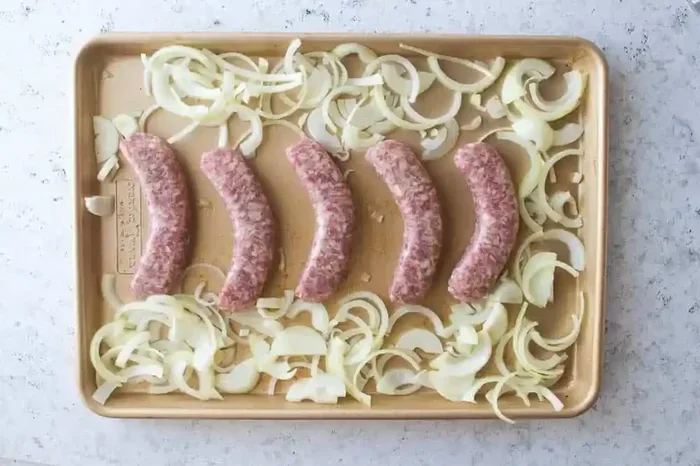
Sautéed onions are not just a topping; they are a secret weapon for crispiness. Spread a layer of thinly sliced onions on the baking sheet, then place your pierogies on top. As the onions cook, they release sugars that caramelize and create a natural, flavorful crust. The onions also keep the pierogies from sitting directly in their own moisture. This simple trick elevates your baked pierogies from good to restaurant-quality.
Conclusion
Can You Cook Pierogies In The Oven and get perfect results? The answer is a clear yes. Oven-baked pierogies offer a healthier, easier, and equally delicious alternative to boiling or frying. With the right temperature, a little butter, and your favorite toppings, you can turn frozen or fresh dumplings into a crispy, golden comfort food hit. Remember to avoid overcrowding, use a wire rack for the best crunch, and always flip halfway through. Whether you are serving them as a side dish, an appetizer, or a main course, baked pierogies are sure to become a family favorite. Try this method at your next dinner and enjoy the satisfying crunch of perfectly crispy pierogies straight from the oven.
Frequently Asked Questions
Do I Need to Thaw Frozen Pierogies Before Baking?
No, you can bake them straight from the freezer. Simply add a few extra minutes to the baking time and make sure to flip them halfway through. Thawing is not necessary and can actually make the dough soggy before it even hits the oven.
What Is the Best Temperature to Bake Pierogies?
425°F (220°C) is the ideal temperature for most oven-baked pierogies. This high heat creates a crispy golden crust while cooking the filling through evenly. If your oven tends to run hot, 400°F works well too.
Can I Use Aluminum Foil Instead of Parchment Paper?
Yes, you can line your baking sheet with aluminum foil. However, parchment paper or a silicone baking mat is better because it promotes airflow and prevents sticking. If you use foil, make sure to lightly grease it with oil or butter to stop the pierogies from clinging.
How Do I Keep Baked Pierogies Crispy After They Come Out of the Oven?
Place them on a wire rack for a few minutes after baking. This allows steam to escape from the bottom and keeps the crust crunchy. Avoid stacking them in a bowl or plate right away, as trapped steam will soften the exterior.
What Toppings Work Best on Oven-Baked Pierogies?
Classic options include sour cream, sautéed onions, and crispy bacon. For a lighter touch, try a garlic butter drizzle with fresh herbs. You can also add shredded cheese, mushrooms, or apple slices for a sweet-and-savory combination.
Are Oven-Baked Pierogies Healthier Than Fried Pierogies?
Yes, baking uses little to no added oil compared to frying. This reduces the overall fat and calorie content while still delivering a satisfying crunch. Oven-baked pierogies are a great choice for a lighter comfort food option.